High-End Paris Shopping: Dept Stores vs. Marais Boutiques
"Parisian shopping is not just a transaction; it is a choreographed dance between heritage and trend."
Whether you are looking to invest in a timeless leather handbag at a grand department store or hunt for a graphic tee that captures the spirit of the Marais, your strategy determines your success.
Key Takeaways: * Strategic planning is key for maximizing your budget and finding unique items in Paris. * Department stores offer curated luxury experiences, while specialized shops require niche knowledge.
* Know the difference between high-end browsing and bargain hunting to tailor your visit.

Why Shop in Paris? Setting Your Shopping Mission
I remember standing in the middle of the Place de l'Opéra in the summer of 2025, looking up at the golden domes of the department stores, feeling both exhilarated and slightly overwhelmed by the sheer scale of choice.
According to the World Bank, France recorded international tourist arrivals of 117,109,000 in 2020.
The heat of the afternoon pressed against the glass, and the sounds of the city hummed below.
My friend wanted a designer coat, while I was looking for a simple, high-quality linen shirt that wouldn't fall apart after two washes. We realized then that we weren't just shopping; we were executing two very different missions.
Before you step onto the cobblestones, you must define your objective. Are you seeking "investment pieces"—items meant to last decades—or are you looking for stylish souvenirs and daily essentials?
The Parisian shopping ecosystem is divided into two distinct worlds: the grand department stores that act as temples of luxury, and the independent boutiques that offer curated, niche treasures.
Pre-trip preparation is vital because pricing and service levels vary wildly. In a department store, you are paying for the curation and the atmosphere; in a boutique, you are often paying for the unique design and the artisan's touch.
Setting your expectations regarding your budget and the level of service you desire will prevent "buyer's remorse" once you return home. But knowing your mission is only the first step; you also need to know how to navigate the temples of commerce.
How do I master the department store experience? Walking through the heavy glass doors of a major department store feels like entering a different era of French elegance. The air smells of expensive perfume and fresh roasted coffee, and the sound of soft ambient music competes with the gentle hum of a hundred different conversations.
Major institutions like Galeries Lafayette and Printemps are more than just stores; they are multi-level worlds. High-end ready-to-wear is typically found on the upper floors, while the ground floors are often dedicated to cosmetics, perfumes, and accessories.
Many of these stores also feature dedicated food halls, allowing you to transition from browsing designer shoes to sampling artisanal cheeses in a single trip.
For international travelers, the tax refund process is a critical component of the shopping experience. Most major department stores provide a dedicated service desk to help you process your *détaxe*.
To qualify, you typically need to spend over a certain amount in a single day at one store and present your passport. Ensure you collect all necessary paperwork before leaving the store to make your airport transit smooth.
If you find yourself lost in the sheer volume of inventory, remember that you can enjoy the ambiance without the pressure to buy. High-end browsing is an art form in itself. Many stores also offer personal shopping services or high-tea lounges.
Using these services can help you navigate specific trends or find exact sizes that might be hidden in the vast inventory. However, the real magic often happens away from the gold-leafed ceilings.
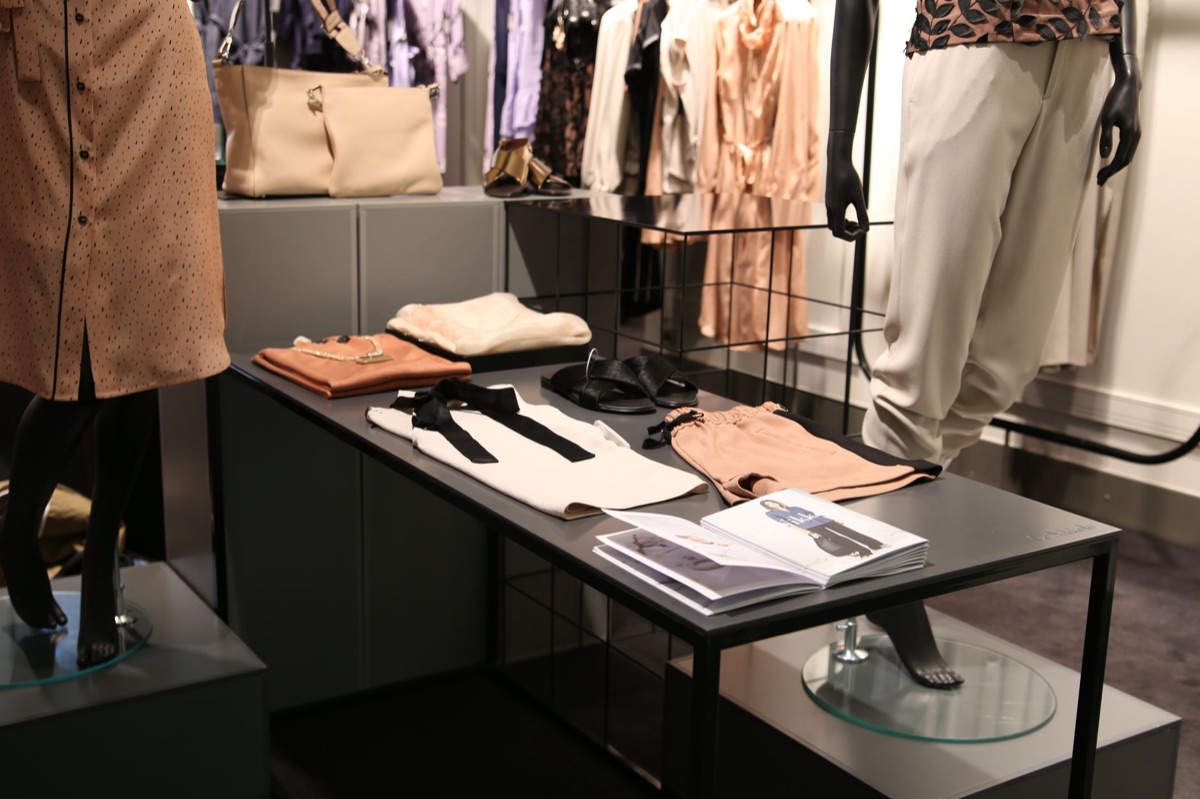
How can I hunt for gems in boutique shops? The mood shifts entirely when you move from the grand boulevards to the narrow, winding streets of districts like Le Marais. In a small boutique, the door might be heavy wood, the lighting might be dim, and the selection might only consist of a few dozen carefully chosen items.
Unlike mass-market chains, independent shops and curated vintage boutiques require a sharper eye. When shopping for items like high-quality t-shirts or unique apparel, look for quality indicators: the weight of the fabric, the strength of the stitching, and the uniqueness of the print.
In Paris, a "designer" t-shirt isn't just about a logo; it is about the cut and the quality of the cotton.
Bargaining is generally not expected in fixed-price retail environments in Paris, but in smaller, independent vintage shops, there might be slight flexibility if you are buying multiple items. However, always lead with politeness.
In these smaller spaces, you are often speaking directly to the owner or a highly trained stylist.
To find the "secret finds," you must step away from the primary tourist thoroughfares. The best treasures are often found in the side streets of the 3rd or 4th arrondissements.
Timing is also essential; visit these high-traffic areas on weekday mornings to avoid the heavy weekend crowds that can make browsing difficult. But even with a perfect find, you need a plan to get it home safely.
Essential Shopping Logistics & Survival Guide
I once spent an entire afternoon in a beautiful boutique in the 6th arrondissement only to realize I had left my wallet in my hotel room, nearly missing the chance to buy a handmade scarf. It was a reminder that even in a beautiful city, logistics can trip you up.
When handling payments, remember that while credit cards are widely accepted, having some Euro cash is useful for smaller boutiques or local markets. Be aware of local pricing versus tourist-centric pricing; while major stores are standardized, smaller shops may have different nuances.
The "Art of the Sale" is a major event in France known as *Les Soldes*. These are government-regulated seasonal sales that occur twice a year (typically in winter and summer).
During these periods, you can through significant discounts on high-end brands, but you must move quickly as popular sizes sell out almost immediately.
Security is a constant consideration in crowded shopping districts. Pickpockets often target busy areas like the Metro or crowded streets near major landmarks.
| Shopping Type | Best For | Key Strategy |
|---|---|---|
| Department Stores | Luxury, variety, tax refunds | Use personal shopping & food halls |
| Boutiques | Unique finds, niche styles | Visit on weekdays to avoid crowds |
| Vintage/Second-hand | Character, sustainability | Check stitching and fabric quality |
Actionable Safety Tip: Never leave your shopping bags unattended on a chair or a cafe table, and always keep your passport and primary credit cards in a secure, internal pocket of your bag rather than an outer compartment.
To make your shopping trip successful, follow this checklist:
- Define your budget: Set a hard limit for "investment" versus "souvenir" spending before you leave the hotel.
- Check your passport: Always carry your physical passport for tax-free shopping, not just a photo of it.
- Verify the fit: In boutiques, always try items on. In department stores, check the return policy for international travelers.
- Layer your bags: Use a sturdy, cross-body bag for your valuables and a separate, easy-to-carry bag for your purchases.
- Plan your transit: Know how you will get your bags back to your accommodation before you make a major purchase.
Beyond the Purchase: Parisian Shopping Culture
Shopping in Paris is meant to be an integrated part of your day, not a frantic race to fill a suitcase. In the local mindset, a successful shopping trip is one that includes a moment of pause.
The Parisian ritual often involves pairing a successful find with a visit to a local *boulangerie* or a quiet moment at a sidewalk cafe.
After spending an hour hunting through racks, there is nothing quite like sitting on a terrace with a café au lait, watching the world go by, and reflecting on your discoveries.
Turning a transaction into a cultural memory means treating your purchases as part of your journey. A well-chosen piece of clothing or a unique accessory becomes a tactile reminder of the streets you walked and the light you saw in the museums.





Comments 0