7th vs 11th: Choosing Your Ideal Paris Neighborhood Now
"Don't just book a room; choose a neighborhood that dictates the rhythm of your entire Parisian experience."
Finding the right base in Paris is less about finding a "good" district and more about matching a neighborhood's DNA to your specific travel style. Whether you want to wake up to the sound of quiet luxury or the bustle of a late-night bistro, your choice of arrondissement will define your trip.
* For Luxury & Elegance: The 7th and 8th Arrondissements offer quiet, prestigious streets near major monuments. * For History & Vibe: The 3rd and 4th (Le Marais) provide a central, vibrant, and historic atmosphere. * For Budget & Local Life: The 10th and 11th offer trendy, social, and more affordable options. * Decision Matrix: If you prioritize safety and landmarks, go West; if you prioritize culture and walking, go Central; if you prioritize nightlife and value, go East.

Which Arrondissement Matches Your Travel Vibe?
The sun hits the limestone facades of a Haussmann building in the 7th, casting long shadows over a quiet courtyard as a resident pulls a fresh baguette from a paper bag. You stand on a street corner, looking at a map, wondering if this quiet elegance is too detached from the city's pulse.
The 7th and 8th Arrondissements represent the pinnacle of Parisian prestige. These areas are characterized by wide boulevards, high-end boutiques, and a sense of quiet, dignified luxury.
If you stay near the Eiffel Tower or the Champs-Élysées, you are stepping into a world of grand salons and manicured parks. It is the perfect choice for those who want a seamless, high-end experience where the city's most famous monuments are mere strolls away.
In contrast, walking through the narrow, winding streets of the 3rd and 4th Arrondissements feels like stepping into a living museum. Le Marais is a tapestry of medieval architecture, hidden courtyards, and a constant hum of activity.
Here, the cultural code is one of artisan shops, boutique galleries, and a vibrant social scene that stays active from morning coffee to late-night cocktails. It is central, historic, and deeply atmospheric.
If you head north to the 18th, specifically around Montmartre, the vibe shifts entirely to an artistic, bohemian dream. The steep, cobblestone climbs and the view from the Sacré-Cœur offer a romantic, hilltop escape.
However, this area requires a different kind of energy; it is much more rugged and bustling than the polished streets of the West.
For those seeking a more contemporary pulse, the 10th and 11th Arrondissements serve as the city's modern heartbeat.
Near the Canal Saint-Martin, the atmosphere is trendy and youthful, filled with local haunts, craft coffee shops, and a social scene that feels authentically Parisian rather than purely tourist-driven. It is where the city's creative energy often congregates.
But choosing a vibe is only half the battle; you also have to consider the reality of the streets once the sun goes down.
Safety & Security: Navigating Paris After Dark
A group of tourists huddles around a phone screen at a Metro entrance at 11:00 PM, eyes darting toward every passing shadow. The transition from a bright, busy plaza to a dim side street happens in a heartbeat, creating a momentary sense of unease.
Safety in Paris is generally high, but it is highly situational. Most travelers find that the primary concern is not violent crime, but petty theft such as pickpocketing. This is most common in high-density tourist areas like the 1st Arrondissement or near major transit hubs.
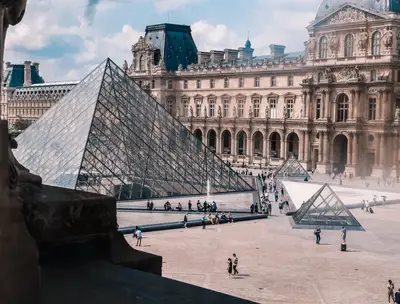
It is essential to remember that a crowded Metro car or a busy plaza near the Louvre is a prime environment for distractions.
While the 7th and 16th Arrondissements are widely considered some of the safest and most residential, no area is entirely immune to the realities of a major metropolis. Even in central districts, situational awareness is your best tool.
It is always wise to stay aware of your surroundings when walking alone at night, particularly in transition zones between busy boulevards and darker side streets.
To mitigate risks, follow the same logic you would in any major global city: keep your valuables secure, avoid displaying large amounts of cash, and stay in well-lit areas.
If you find yourself in a neighborhood that feels significantly different from your hotel—such as moving from a central district toward the outer edges of the 18th or 19th—simply maintain a higher level of vigilance.
When I stayed in a small boutique hotel near the Place des Vosges in 2025, I noticed how the atmosphere changed instantly as I turned from the main thoroughfare into a side alley. The transition was beautiful but required a sharper focus on my belongings.
However, even in the safest neighborhoods, you still have to deal with the logistics of getting from point A to point B.
Accessibility & Transit: Getting Around Paris Like a Local
The screech of the Metro brakes echoes through a tiled station as a crowd surges toward the doors, everyone moving with a practiced, efficient purpose. You check your watch, realizing that your choice of neighborhood determines whether you spend your day sightseeing or sitting on a train.
Accessibility is often the deciding factor for a successful trip. The central arrondissements (1st through 4th) offer unparalleled access to almost everything via walking or short Metro rides.
For example, staying in the 1st means you are often within a 15-minute walk of the Louvre, effectively eliminating transit time for major museum visits.
If you choose a more residential area like the 7th, you will likely rely more on the Metro or RER lines. While you might spend 20 to 30 minutes traveling to the city center, you gain a much quieter and more authentic living experience.
The 1st and 2nd Arrondissements are highly walkable, whereas the 18th or 20th may require more frequent use of the Metro to reach central landmarks.
For those planning day trips, such as traveling to Versailles, proximity to major hubs like Gare Saint-Lazare or Gare du Nord can be a logistical lifesaver. Staying near these transit arteries can save you significant time when heading out of the city.
When evaluating a hotel, always check its proximity to a Metro station; a hotel that is a 10-minute walk from a station is vastly superior to one that requires a long trek through unfamiliar streets.
But there is a hidden cost to being in the center of everything, and it isn't just about the price of a croissant.
Budget vs. Experience: Finding Your Sweet Spot
A traveler sits at a small bistro table, looking at a menu where the prices are significantly higher than the local bakery they visited that morning.
They realize that the premium they paid for this central location is essentially a "convenience tax." According to World Bank, France recorded GDP per capita of US$48,986 in 2025.
The relationship between location and cost in Paris is direct. The 1st, 7th, and 8th Arrondissements command the highest prices due to their prestige and proximity to landmarks.
Staying here is a luxury investment; you are paying for the ability to step out of your door and immediately be in the heart of Parisian history. In the 10th, 11th, and 19th Arrondissements, your budget will stretch much further.
These areas offer a much higher density of affordable boutique hotels, local bistros, and diverse dining options.
While you may spend more time on public transit, the savings can often be redirected toward higher-quality dining or museum passes. To make an informed decision, consider this comparison of neighborhood profiles:
| Feature | West (7th, 8th, 16th) | Central (1st-4th) | East/North (10th, 11th, 18th) |
|---|---|---|---|
| Vibe | Elegant, Quiet, Grand | Historic, Bustling, Iconic | Trendy, Local, Artistic |
| Safety Level | Very High | High (Watch for Pickpockets) | Moderate (Stay Aware) |
| Cost | Premium | High | Moderate to Budget-Friendly |
| Best For | Luxury & Relaxation | First-Time Visitors | Social & Cultural Explorers |
If you are looking to balance your spending without sacrificing the magic of the city, follow this checklist to finalize your choice.
How to Choose Your Base: A Step-by-Step Process
- Identify your primary goal: Are you here for museums (Central), luxury shopping (West), or local nightlife (East)?
- Set a realistic budget: Factor in that central locations often require a higher nightly rate.
- Map your "Must-Sees": Check the transit time from your potential hotel to your top three landmarks.
- Check the Metro access: Ensure your chosen area has a nearby station to prevent getting "stuck" in a quiet neighborhood.
- Cross-reference safety and vibe: Ensure the neighborhood's energy matches your comfort level for walking at night.




Comments 0