Louvre masterpiece selection: A guide for your visit
"The museum is not just a building, but a vast sea of history where one must decide which waves to ride."
Navigating the vast halls of the Louvre requires a clear strategy to avoid exhaustion and ensure you see what matters most. This guide helps you prioritize specific masterpieces, manage your time effectively, and understand the logistical changes affecting your visit.
Key takeaways: 1. Focus on specific historical eras to prevent fatigue. * Account for recent pricing changes and museum logistics. * Use historical context to guide your selection of must-see pieces.
How to plan your Louvre masterpiece selection?
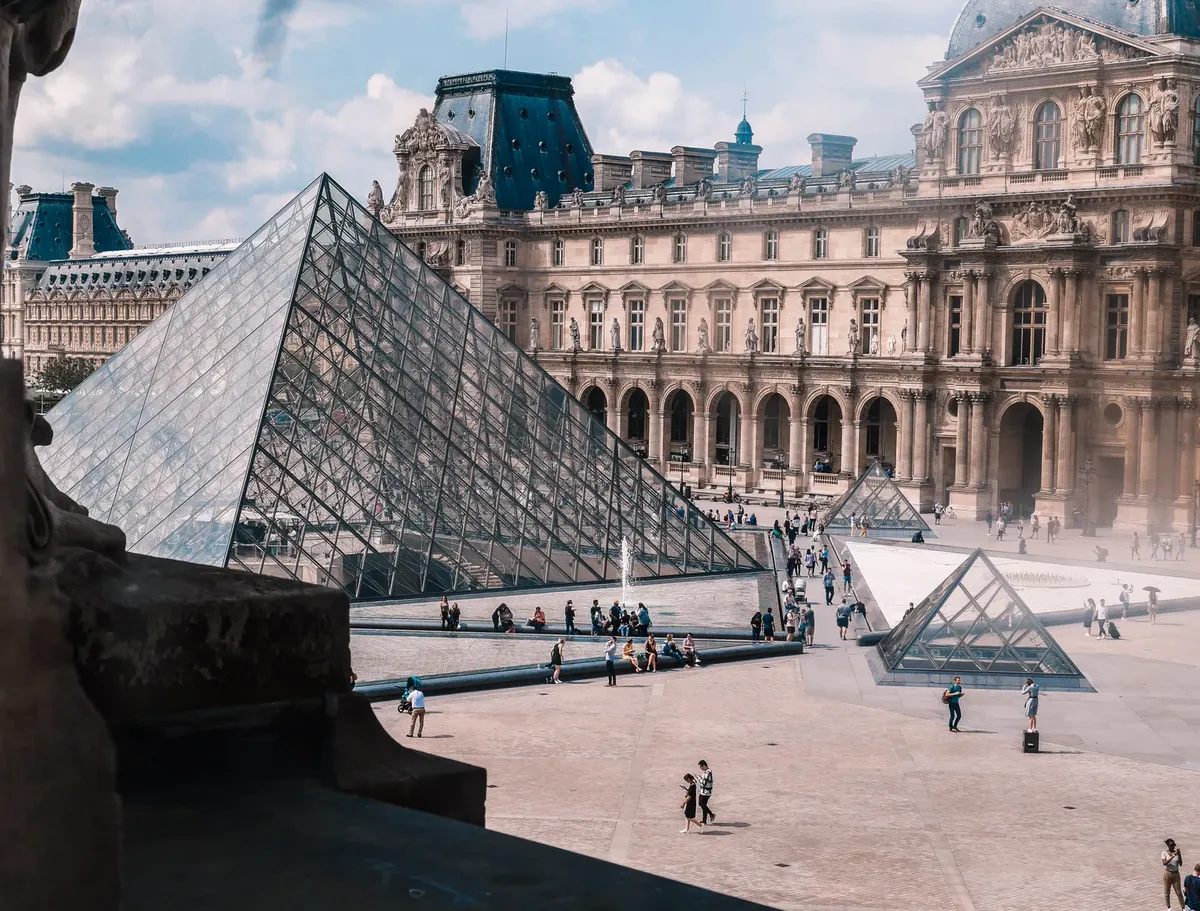
At sunrise, I grip my map tightly while standing before the louvre entrance, feeling the cool morning breeze against my skin.
A traveler stands at the entrance of the Louvre Palace, looking at the massive structure nestled near the Tuileries Gardens. The sheer scale of the building suggests that choosing a specific path is the only way to survive the day.
Effective Louvre masterpiece selection involves narrowing your focus to specific departments or historical periods before entering. Rather than attempting to see every hall, successful visitors often target specific eras, such as the Napoleonic period or ancient civilizations, to maintain interest.
You might choose to focus on the works that were once part of the museum's vast expansion or those that represent specific international collaborations.
The sheer volume of the collection makes it impossible to see everything in one sitting. A single person might spend hours just in one wing, so pre-selecting three to five primary targets is a more sustainable approach.
This method prevents the fatigue that comes from wandering aim없이 through endless galleries.
Which Louvre masterpieces should I see first?
At midday, I stand motionless in the grand hall of the louvre, feeling the heavy silence as I gaze at the golden frames. A visitor walks through a quiet gallery, pausing before a painting that captures the light of a different century. The goal is to find the works that define the museum's identity.
Finding the best Louvre artworks often means looking for pieces that have significant historical weight or those that were part of major international loans.
For example, the museum has a history of engaging in global exchanges, such as the period from 2006 to 2009 when it lent artwork to the High Museum of Art in Atlanta, Georgia, and received a $6.9 million payment for renovations.
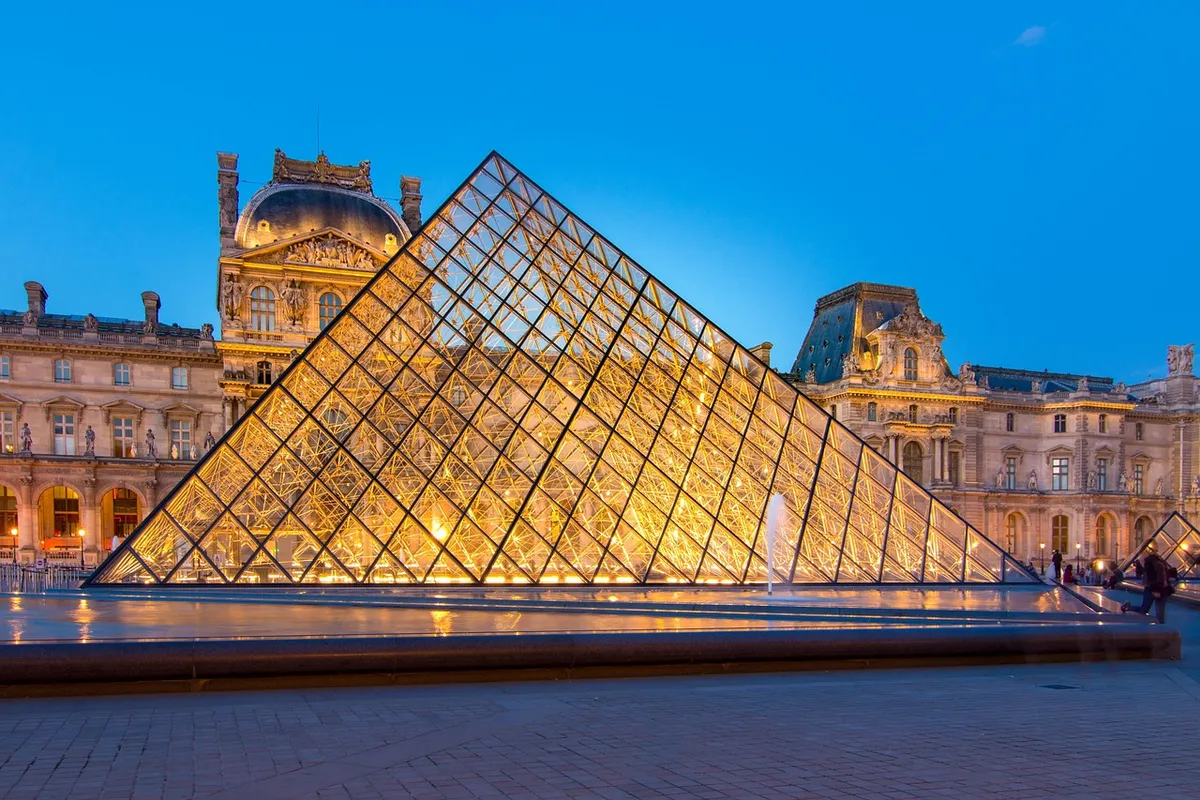
Such history reminds us that the art on display is part of a living, moving global conversation.
When selecting pieces, consider the scale of the collection. The database includes more than 482,000 illustrated records, representing 75% of the Louvre's collections.
Picking a few standout pieces from these vast archives ensures you encounter the most impactful works without feeling overwhelmed by the sheer numbers.
How can you execute an efficient museum visit?
A visitor checks their watch while standing near the entrance of the Carrousel du Louvre commercial mall, planning their route through the underground access. Timing is everything when dealing with crowds.
An efficient museum visit requires understanding the layout and the timing of your arrival. The museum is located in the centre of Paris, and using the nearest Métro stations, such as Louvre–Rivoli or Palais Royal–Musée du Louvre, can help you time your entry.
- Select a specific wing or department to minimize walking distance. 2. Use the direct underground access from the Palais Royal–Musée du Louvre station to manage your entry smoothly. 3. Check the daily gallery availability, as administrative improvements have historically aimed to keep a high percentage of galleries open daily.
After setting your route, check the museum's current operational status to ensure your chosen wing is accessible. This prevents wasted time spent walking to closed sections.
What are the must-see historical gems at the Louvre? A traveler traces the outline of a sculpture, thinking about the hands that shaped it centuries ago. The weight of history is felt in every hall.
Those interested in history might look for top Louvre highlights that reflect the museum's complex past. The collection was significantly increased under Napoleon, following the collection of art from Europe, Egypt, and Syria.
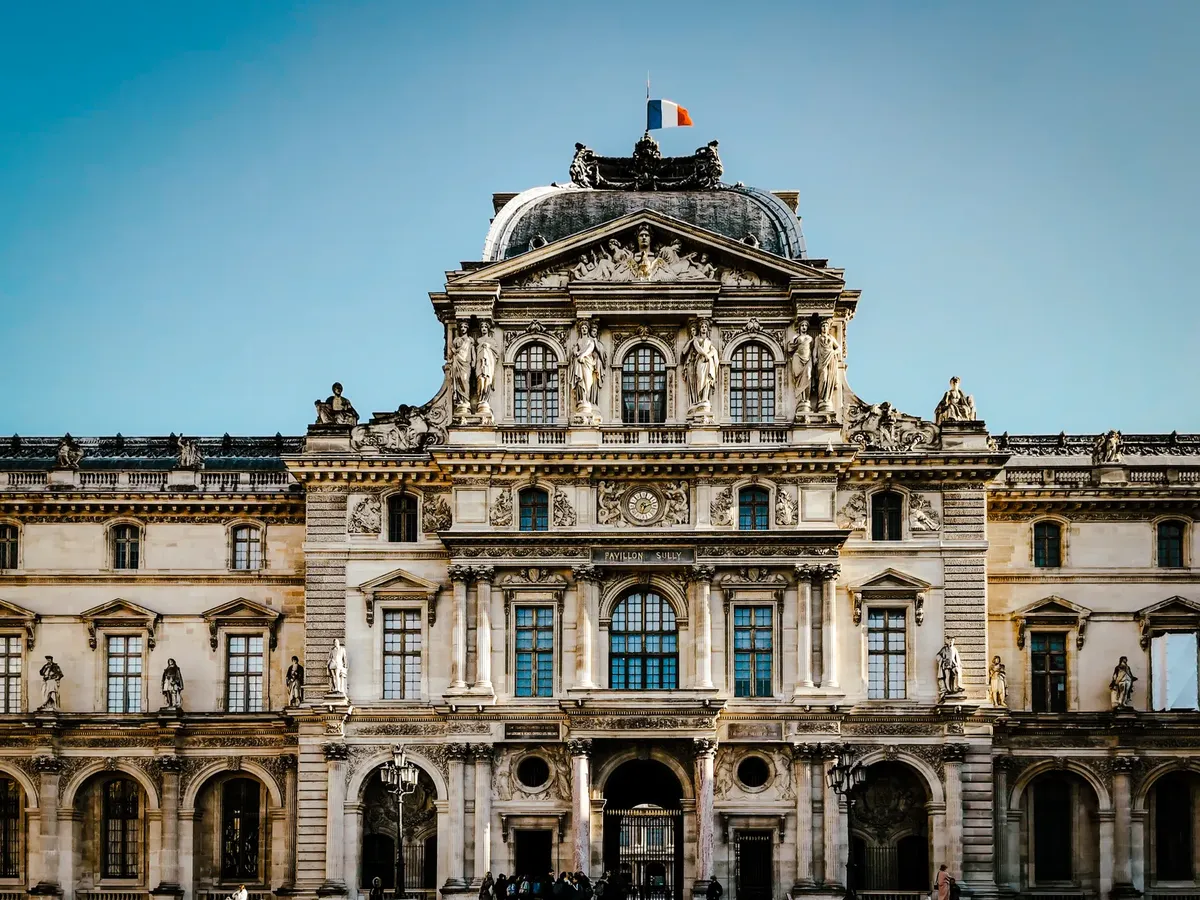
Many works were originally part of the Musée Napoléon, and understanding this history provides a deeper layer to the viewing experience.
You might also consider works that reflect the museum's evolving role in international relations. For instance, an exhibition of dozens of artworks and relics belonging to the Louvre was opened to visitors in Tehran in March 2018, following a 2016 agreement.
These pieces represent the intersection of art and diplomacy.
Dealing with the current museum environment?
A visitor stands in line, holding a ticket and looking at the updated signage near the entrance. Changes in policy can affect how you prepare for your visit.
According to the Musée du quai Branly – Jacques, the Musée du quai Branly – Jacques Chirac, opened in 2006, is the latest large museum in Paris today.
According to the Fine Arts Museum, in 2012, the Louvre and the Fine Arts Museums of San Francisco announced a five-year collaboration on exhibitions, publications, art conservation and educational programming.
As reported by the Louvre Museum, in 2023, the Louvre Museum in Paris implemented a significant change in its pricing policy, marking the first price increase since 2017.
The current museum environment requires awareness of recent administrative updates. In 2023, the Louvre Museum in Paris implemented a significant change in its pricing policy, marking the first price increase since 2017.
Travelers should prepare for these changes by checking current entry fees in advance.
| Aspect | Detail |
|---|---|
| Policy Change Year | 2023 |
| Previous Price Shift | 2017 |
I found that checking these recent updates helped me budget more accurately for my trip. Understanding the cost of entry is as much a part of the planning as choosing the art itself.
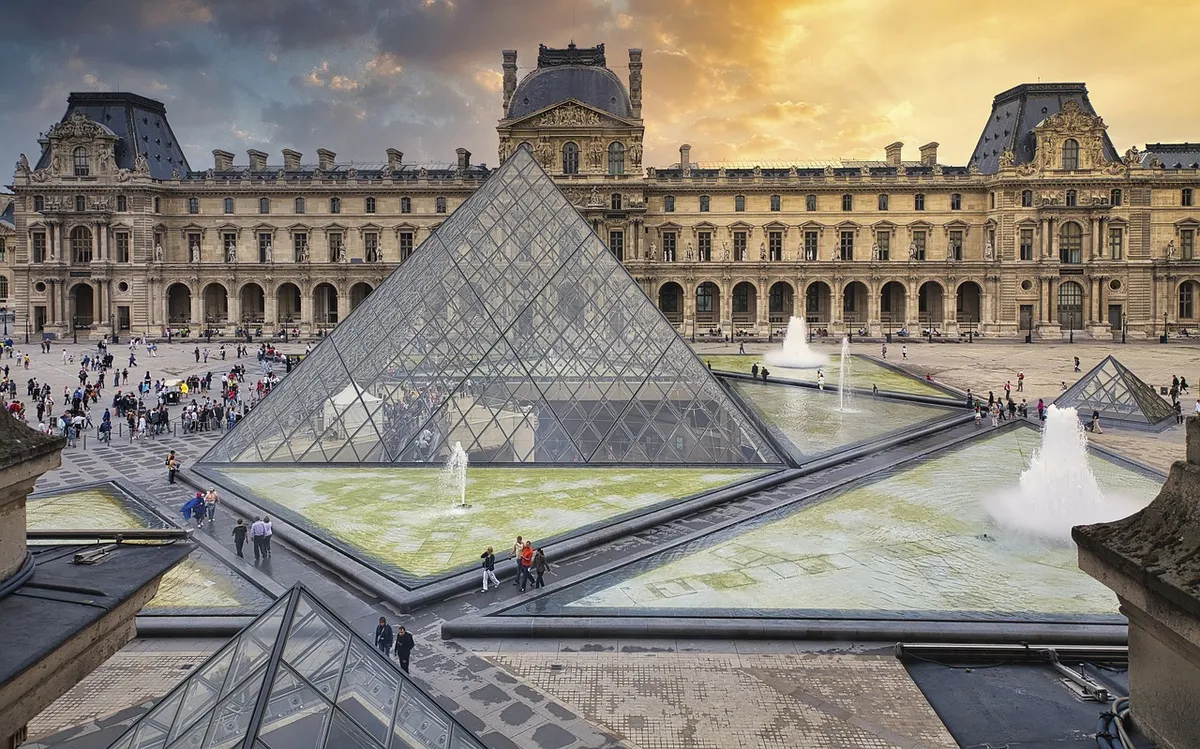
One limitation to this strategy is that the sheer size of the museum means that even a well-planned route may be interrupted by unexpected crowd levels or temporary closures.
Wikipedia: Museums in Paris Based on the retained excerpt mentioning Army Museum: Under the management of the Ministry of Armed Forces, the Army Museum covers an area of 8,000 square meters, displaying 500 thousand artifacts including paintings, photographs, medals, artillery, and guns, making it one of France's most important museums of military history.
- How to plan your Louvre masterpiece selection?
- Which Louvre masterpieces should I see first?
- How can you execute an efficient museum visit?
The same subject is also called Choosing Louvre art.
This part also covers Paris travel art tips.
This part also covers Must see Louvre pieces.
Related






Comments 0