Michelin Dining Starts at the Boulangerie: A Parisian Guide
"A perfect croissant is not just a snack; it is a masterclass in texture that prepares your palate for the complexities of fine dining."
To truly understand the soul of French gastronomy, you must recognize that the excellence found in a Michelin-starred dining room often begins with the flour and butter of a neighborhood boulangerie.
By learning to appreciate the fundamental craft of the baker, you develop the sensory intuition required to navigate the high-end culinary landscape of Paris.
Key Takeaways: * Use morning bakery visits as a litmus test for the quality and technique of local artisans. * Strategically plan your itinerary to transition from casual neighborhood exploration to curated fine dining.
* Understand the relationship between artisanal staples and the elevated techniques of Michelin-starred chefs.

Why Start Your Parisian Gastronomic Journey at a Bakery?
The smell of toasted yeast and caramelized sugar hits you the moment you push through the heavy wooden door of a shop in the 3rd Arrondissement. You watch as the baker, flour dusting his apron, pulls a tray of golden loaves from a stone oven.
According to World Bank data, France recorded international tourist arrivals of 117,109,000 in 2020.
In this small, warm space, the entire history of French culinary tradition is compressed into a single, perfect crust.
A bakery is a microcosm of French excellence. In a boulangerie, there is no room for error; the fermentation, the temperature, and the hydration of the dough must be exact to produce a masterpiece. This is the same pursuit of perfection that defines a Michelin-starred restaurant.
While the bakery offers an accessible entry point into French flavor, the Michelin star represents the absolute ceiling of that same craft. Using a bakery as a starting point is a practical way to gauge the quality of a neighborhood.
If a local shop treats its sourdough with the reverence of a scientist, you can reasonably expect the high-end bistros and fine-dining establishments in that same district to maintain similar standards of ingredient integrity.
The transition from a simple baguette to a multi-course tasting menu is not a leap between different worlds, but rather a move from the foundation to the architecture. But how do you plan a day that balances these two worlds?
How Do You Match Your Day to Your Dining Goal?
You stand at a street corner in the Marais, checking your watch while holding a warm paper bag of pastries. The sun is beginning to dip behind the Haussmann-style buildings, and you realize you have two very different ways to spend your evening.
Your itinerary should reflect your energy levels and your culinary objectives. For those seeking a "Quick Fix," you can focus on mid-range, artisan-led bistros.
These are excellent for days when you are walking several miles through museums and want high-quality food without the three-hour commitment of a formal service. These spots often focus on seasonal ingredients and can be enjoyed in a more relaxed, social atmosphere.
For the "Grand Finale," you should plan your Michelin reservations around your primary sightseeing. If you spend your afternoon lost in the vast halls of the Louvre, you might want a high-end dining experience within walking distance or a short taxi ride to avoid exhaustion.
A well-planned day moves from the lightness of a morning pastry to the weight of a significant evening meal.
The "Day After" strategy is also vital: book your most expensive, high-commitment dinner for the day after a heavy travel day, allowing you to settle into the rhythm of the city before committing to a major culinary event.
But once you have the plan, how do you actually choose the right table?
What is the Real Difference in the Michelin Landscape?
You sit at a small marble table, looking at a leather-bound menu that feels heavy in your hands. You wonder if the price of the tasting menu is justified by the artistry on the plate, or if you should have stayed with the casual bistro you visited for lunch.
Deciding how to navigate the Michelin guide requires a two-phase approach. The "Discovery Phase" is perfect for travelers who want to test the waters. In this phase, you seek out highly-rated establishments that may not hold a star but are known for exceptional technique.
This allows you to calibrate your palate to French flavors—acid, fat, salt, and texture—before making a larger investment. The "Commitment Phase" is when you book that once-in-a-lifetime table. This is reserved for your most significant travel days.
When making this choice, consider your geographic pairing. If you are staying in the 1st or 4th Arrondissement, you are in the heart of the action, but you may face more competition for tables.
Linking your dining choice to your lodging ensures that you aren't spending your entire evening in transit.
The question of whether the splurge is worth it usually comes down to whether the restaurant offers a unique story or merely expensive ingredients. And what exactly are you looking for in that story?
Beyond the Plate: Do the Flavors Truly Connect?
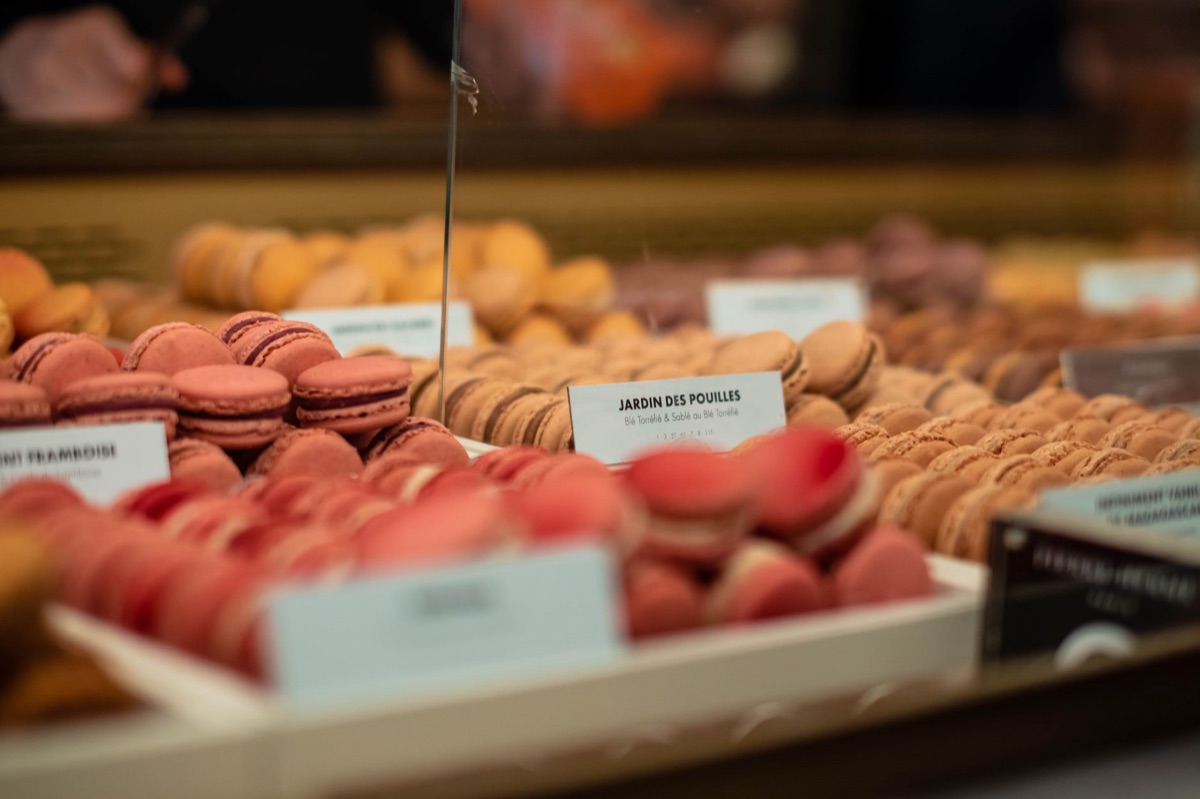
A single bite of a well-made mille-feuille reveals layers of delicate pastry and cream that seem to mirror the complexity of a sophisticated dessert course. You realize that the textures you are experiencing now are a preview of the refined sweetness you might encounter at dinner.
The connection between the bakery and the Michelin star is often thematic. In the world of high-end dining, the "Sweet Link" is common; a pastry chef’s ability to manipulate sugar and dough is a direct evolution of the baker’s craft.
A morning spent appreciating a perfect, flaky croissant can prime your senses to recognize the nuances of a sophisticated dessert at a Michelin-starred establishment.
There is also a "Savory Link." Many Michelin-level chefs use fundamental bread-making techniques—such as specialized fermentations or unique grain usage—to create savory components of their dishes.
A perfect day follows a logical sequence: a morning visit to a local bakery to ground yourself in the basics, daytime exploration of the city's landmarks, and an evening of refined dining. This sequence moves from the fundamental to the ornamental, providing a complete sensory journey of the city.
But how do you manage the logistics of such a transition?
How Do You Handle the Logistics of an Ultimate Meal?
You adjust your jacket in the mirror, checking that your attire meets the subtle but clear expectations of the restaurant's entrance. The transition from the casual streets of Paris to the hushed elegance of a dining room requires a shift in both mindset and logistics.
To ensure a successful dining experience, you must master the logistics of booking. For top-tier restaurants, reservations should often be made weeks, or even months, in advance through digital platforms or direct contact. Do not wait until you arrive in the city to plan your flagship meals.
| Feature | Casual Bakery/Bistro | Michelin-Starred Restaurant |
|---|---|---|
| Atmosphere | Lively, social, sometimes loud | Refined, quiet, service-focused |
| Timing | Walk-in friendly, flexible | Strict reservation-based |
| Dress Code | Casual/Smart Casual | Smart/Formal |
| Focus | High-quality staples | Culinary artistry and storytelling |
Dress code expectations vary wildly. While a bakery is a place for casual attire, a Michelin-starred restaurant often necessitates a more polished appearance. This is not just about etiquette; it is about respecting the environment of the service.
When I traveled through the 4th Arrondissement last year, I learned that showing up in sneakers to a high-end establishment can sometimes feel as jarring as a loud conversation in a library. It is about matching the energy of the room.
Finally, consider the logistics of your post-meal transition. A heavy, multi-course meal is a significant event, whereas a simple *pain au chocolat* is a fleeting moment. Plan your energy accordingly so that you can fully enjoy both the simplicity of the street and the complexity of the table.
Step-by-Step: Planning Your Culinary Journey
To move from a casual traveler to a culinary connoisseur, follow this structured approach:
- The Morning Calibration: Visit a local boulangerie by 8:30 AM to sample fresh, seasonal breads. This sets your baseline for quality.
- The Afternoon Exploration: Spend your midday exploring neighborhoods like Le Marais or Montmartre, using local bistros for light, high-quality lunches.
- The Reservation Window: Ensure all flagship dinner reservations are confirmed at least 30 days in advance.
- The Evening Transition: Return to your lodging by 6:00 PM to refresh and prepare for the formal atmosphere of your chosen restaurant.
- The Reflection: Use the following morning to discuss the flavor profiles and techniques you experienced, solidifying your sensory memory.
#







Comments 0