Paris Museum Concerts: See Masterpieces with Live Sound
"To hear the music behind the brushstrokes is to truly see the masterpiece."
Walking through the silent, high-ceilinged halls of the Louvre or the Orsay, you might feel a sudden, sharp shift in the atmosphere. The air grows heavy with anticipation, and the soft shuffle of footsteps is replaced by the tuning of a violin or the gentle strike of a piano key.
In Paris, the world’s greatest museums are not just silent vaults for paint and stone; they are living, breathing concert halls where the visual and the auditory collide.
Key Takeaways * Integrate high culture by pairing live musical performances with visual masterpiece tours. * Understand how specific musical eras complement the historical context of museum collections.
* Maximize your travel itinerary by aligning concert schedules with the lifespan of temporary exhibitions.
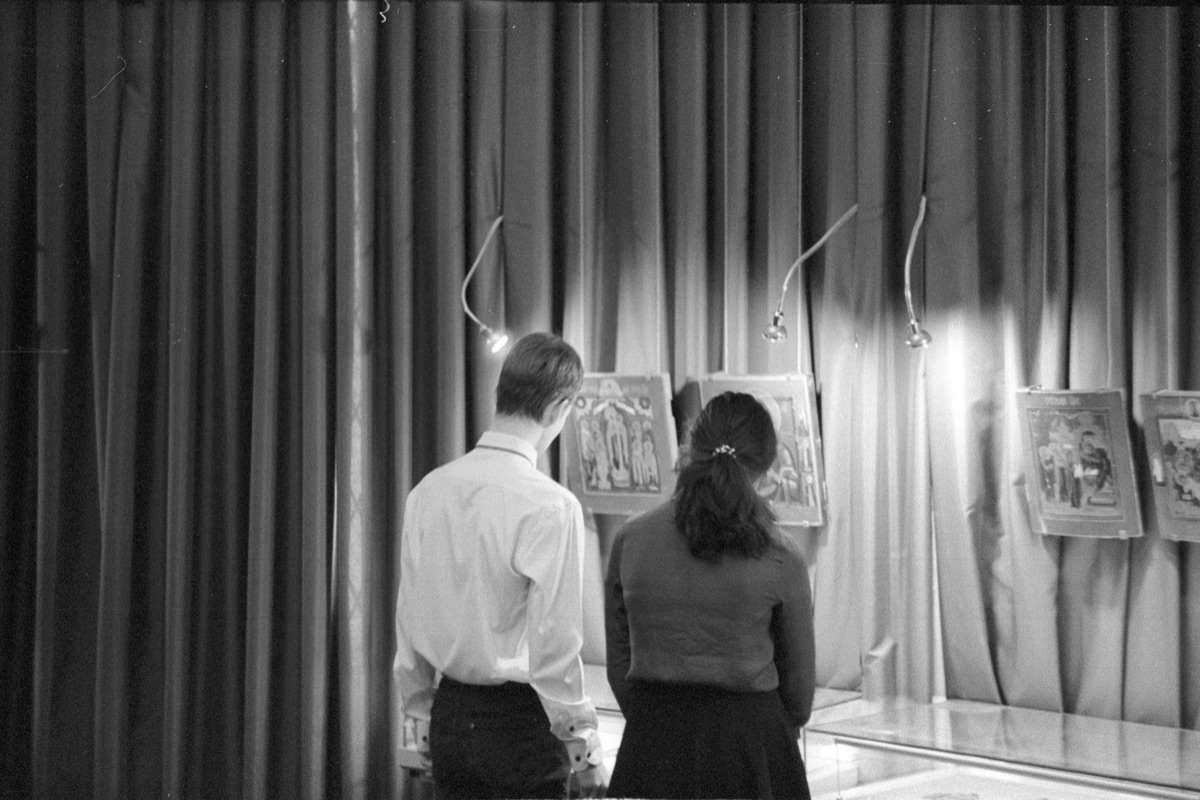
How can I hear a masterpiece truly come to life? I remember standing in a dim gallery in the late afternoon, the golden light of a Parisian sunset filtering through high windows. The only sound was the distant hum of the city outside, until a cellist began to play a Bach suite in the adjacent hall.
Suddenly, the portraits on the walls seemed to shift, their expressions becoming more vivid as the music filled the empty spaces between the frames.
This synergy between the eyes and the ears is the soul of Parisian museum culture. It is not merely about background noise; it is about using sound to unlock the emotional depth of a painting.
In the grand salons of the city, music acts as a bridge between the modern viewer and the historical artist.
A concert in a museum setting provides a sensory immersion that a standard walkthrough cannot match. The architectural resonance of a stone hall or the delicate acoustics of a glass-domed wing can change how you perceive the scale of a sculpture or the texture of an oil painting.
It turns a passive observation into an active, emotional event.
But how do you know which sounds belong with which sights?
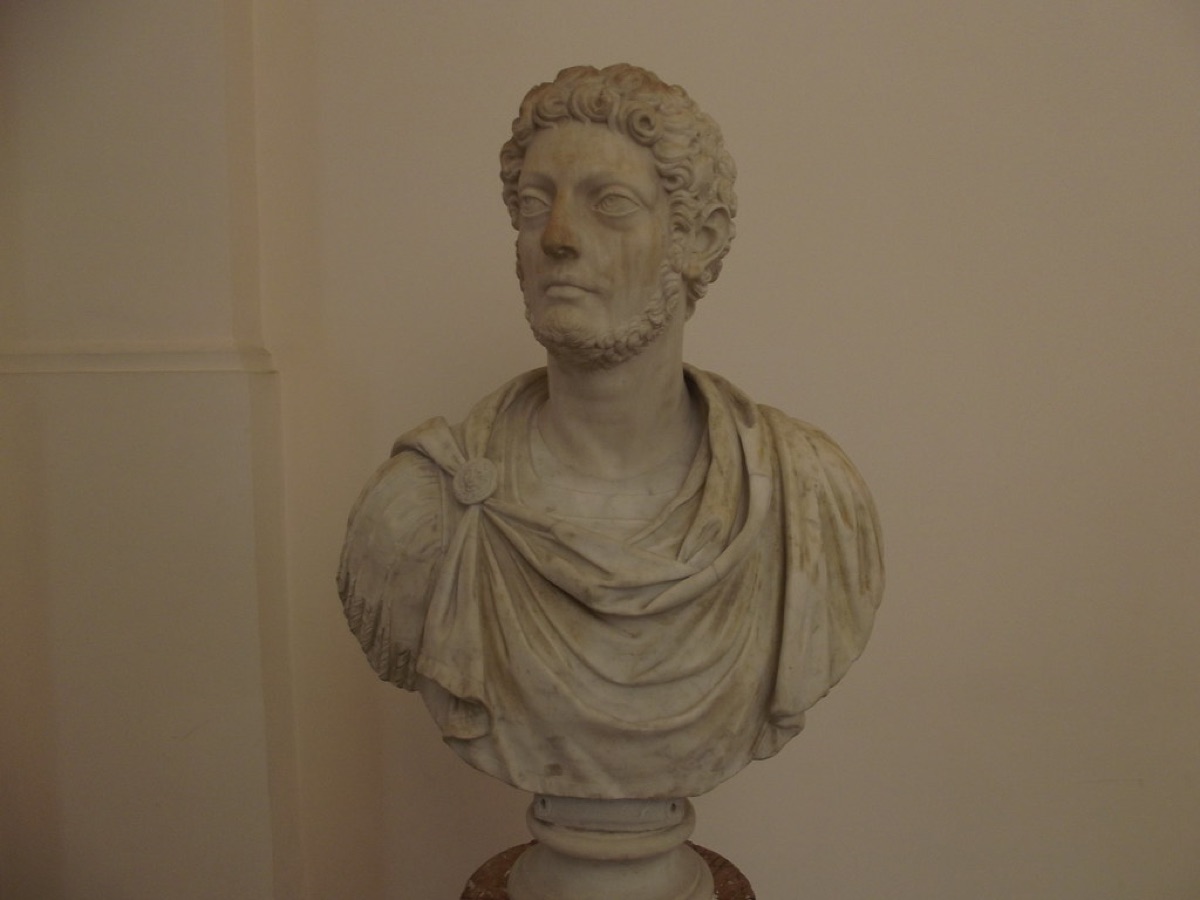
How do I pick the perfect soundtrack for the art? When you plan a museum visit that includes a concert, you are essentially looking for a dialogue between two different mediums. Certain movements in art history have natural musical counterparts that make the experience feel cohesive rather than jarring.
Consider the Impressionist wing of the Musée d'Orsay. When you stand before a Monet or a Renoir, the light feels fluid and fleeting. Pairing these works with the impressionistic compositions of Claude Debussy or Maurice Ravel creates a seamless loop of sensory input.
The music mimics the brushstrokes, making the colors feel as though they are vibrating in real-time.
For more structured, classical works, such as those found in the more traditional wings of the Louvre, Baroque or Classical era music provides a grounding force. The mathematical precision of a Mozart sonata can mirror the geometric balance of a Neoclassical sculpture.
In these moments, you aren't just looking at an object; you are experiencing the intellectual spirit of the era that produced it.
However, timing is just as important as the genre itself.
Timing your visit with the exhibition cycle
Navigating the rotating doors of Parisian culture requires an understanding of how long these grand displays actually last. Unlike the permanent collections, which are always there to greet you, temporary exhibitions are fleeting opportunities that require strategic planning.
In the history of Parisian museum management, the lifespan of these shows can vary significantly. In 2007, for example, 34 major exhibitions in Paris had an average lifespan of 4 months, while the 10 most popular exhibitions lasted 5 months on average.
This means that if you are visiting for a specific show, you cannot afford to delay your trip.
When you are looking at a museum calendar, you must distinguish between the "permanent" and the "temporary." A deep dive into the permanent collection is a marathon, but a temporary exhibition is a sprint. In some cases, special events can even extend the museum's reach.
For instance, during the *Picasso et les maîtres* exhibition from October 2008 to February 2009, the number of opening hours increased by 31%, typically running from 9 am to 10 pm.
| Feature | Permanent Collection | Temporary Exhibition |
|---|---|---|
| Availability | Always present | Limited duration |
| Focus | Historical overview | Specific theme/artist |
| Crowd Level | Steady, predictable | High during peak months |
| Goal | Deep historical study | High-impact visual experience |
To maximize your time, check the exhibition dates before you book your flights. If you are arriving in the spring, you might find a different set of opportunities than in the autumn. Always verify the specific end dates of the "must-see" shows you have identified in your research.
But how do you actually execute this without getting lost in the crowds?
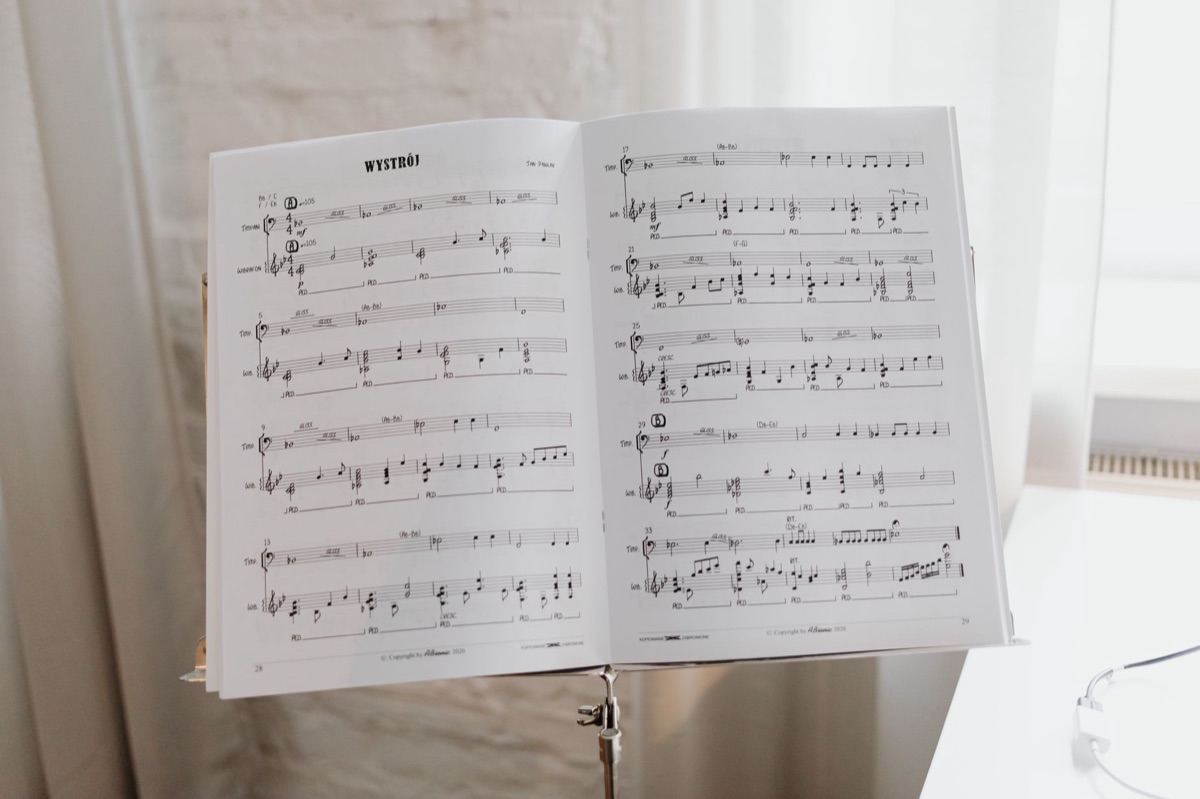
Planning the perfect evening of culture
Deciding whether to book a concert ticket in advance or attempt a drop-in visit is one of the most important logistical choices you will make. In a city as popular as Paris, the "drop-in" method is often a recipe for disappointment.
Most museum concerts are high-demand events with limited seating. Because museum halls are not designed as traditional concert venues, the capacity is often quite low. It is highly recommended to secure your tickets well in advance through the museum's official website.
This ensures you don't miss the performance due to a sold-out hall.
When planning, follow this checklist to ensure a smooth transition from gallery to seat:
- Verify the venue capacity: Check if the concert is in a main hall or a smaller side room to understand the intimacy of the setting.
- Check the duration: Most museum concerts last between 45 and 75 minutes. Do not schedule a heavy dinner immediately following a concert without a buffer.
- Dress for the occasion: While museums are generally casual, a concert often calls for "smart casual" attire. You want to feel respectful of the musicians and the setting.
- Coordinate with museum hours: Ensure the concert does not conflict with the museum's closing time or the transition between daytime and evening hours.
Is the extra ticket price worth it? In most cases, yes. The ability to hear a live performance in a space where the art is already breathing adds a layer of depth that justifies the cost. It turns a simple sightseeing trip into a transformative cultural event.
Yet, there is a limit to how much sensory input one can take in at once.
The limits of sensory immersion
It is important to recognize that pairing music with art is not always successful. In some instances, a particularly loud or avant-garde performance can distract from the visual nuances of a masterpiece rather than enhancing them.
If you are visiting a museum to study specific fine details, a live concert might create too much ambient noise or physical movement in the gallery.
Additionally, this approach is best suited for those seeking an emotional or atmospheric experience rather than a purely academic one. If your goal is a quiet, meditative study of a single piece, the energy of a live performance might feel intrusive.
So, what happens once the music stops?
Beyond the concert: lingering in the city
A museum concert does not have to be the end of your evening. In fact, the best way to process a profound cultural experience is to transition slowly back into the rhythm of the city. After the final notes fade, take a slow stroll through the surrounding neighborhood.
According to World Bank data, France recorded international tourist arrivals of 117,109,000 in 2020.
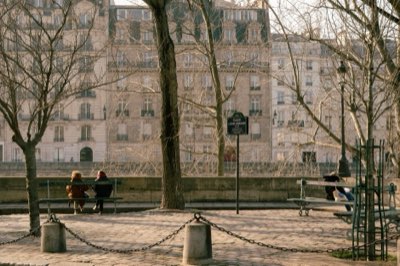
If you are near the Louvre, a walk along the Seine toward the Pont Neuf allows you to let the music settle.
The riverbanks are perfect for quiet contemplation, offering a sense of space that the crowded museum halls sometimes lack. Finding a nearby bistro is the natural next step.
In the Latin Quarter or near the Palais-Royal, you can find small, authentic eateries that serve as the perfect backdrop for discussing the evening's highlights.
A simple meal of steak frites or a plate of artisanal cheese can ground you after the ethereal experience of a museum performance. The goal is to let the culture bleed into your lifestyle. Do not rush from the museum straight to a crowded tourist trap.
Instead, embrace the slow pace of Parisian life—the lingering over a glass of wine, the quiet conversation, and the lingering echoes of the music in your mind.
#




Comments 0