2026: Pitchfork Defines Modern Music in Paris Setting
"Music is not just something you listen to; it is an event that changes the very air in the room."
How do you find your own rhythm amidst the overwhelming noise of a foreign city during a Parisian summer? This exploration delves into the intersection of experimental sounds that blur genre boundaries and the shifting tides of global musical trends.
* Key Takeaways: Discover the intersection of experimental sound and global trends that break genre boundaries. * Musical Identity: Explore a wide spectrum ranging from alternative rock to experimental electronic music. * Festival Guide: Understand the cultural context of downtown Paris and strategic ways to experience the music.
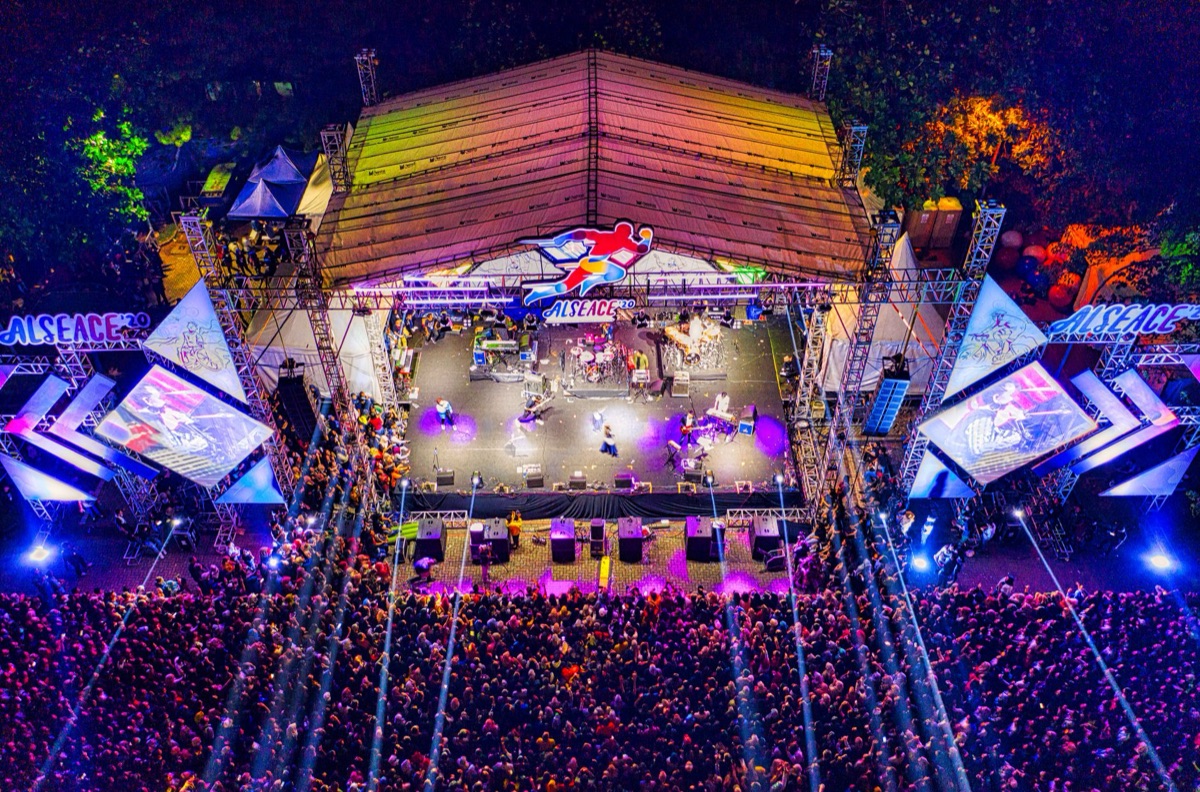
Why we wait for Pitchfork in Paris
A warm July afternoon in the 10th Arrondissement begins with a single sip of a chilled espresso on a sidewalk cafe terrace. In the distance, a heavy bassline drifts through the air, its rhythm momentarily clashing with the steady cadence of pedestrians passing by.
In a year where the city feels more alive than ever, Paris has evolved far beyond a mere collection of historical monuments into a massive, breathing cultural crucible. In 2020, France recorded international tourist arrivals of 117,109,000 according to World Bank data.
Paris is not merely an outdoor museum of ancient architecture. In 2026, the city serves as a massive global hub where creative minds from every corner of the planet converge.
Against this backdrop, the Pitchfork Music Festival has established itself as more than just a series of concerts; it is an intellectual and sensory pilgrimage for music lovers seeking the sounds of tomorrow.
The festival’s distinction lies in its refusal to rely on mainstream star power alone. Instead, it focuses on discovering and introducing artists who create new artistic value by defying traditional musical grammar.
It is the exact point where Paris’s traditional artistic spirit meets a modern, experimental drive. But why does this specific blend of sounds ignite such passion in an audience?
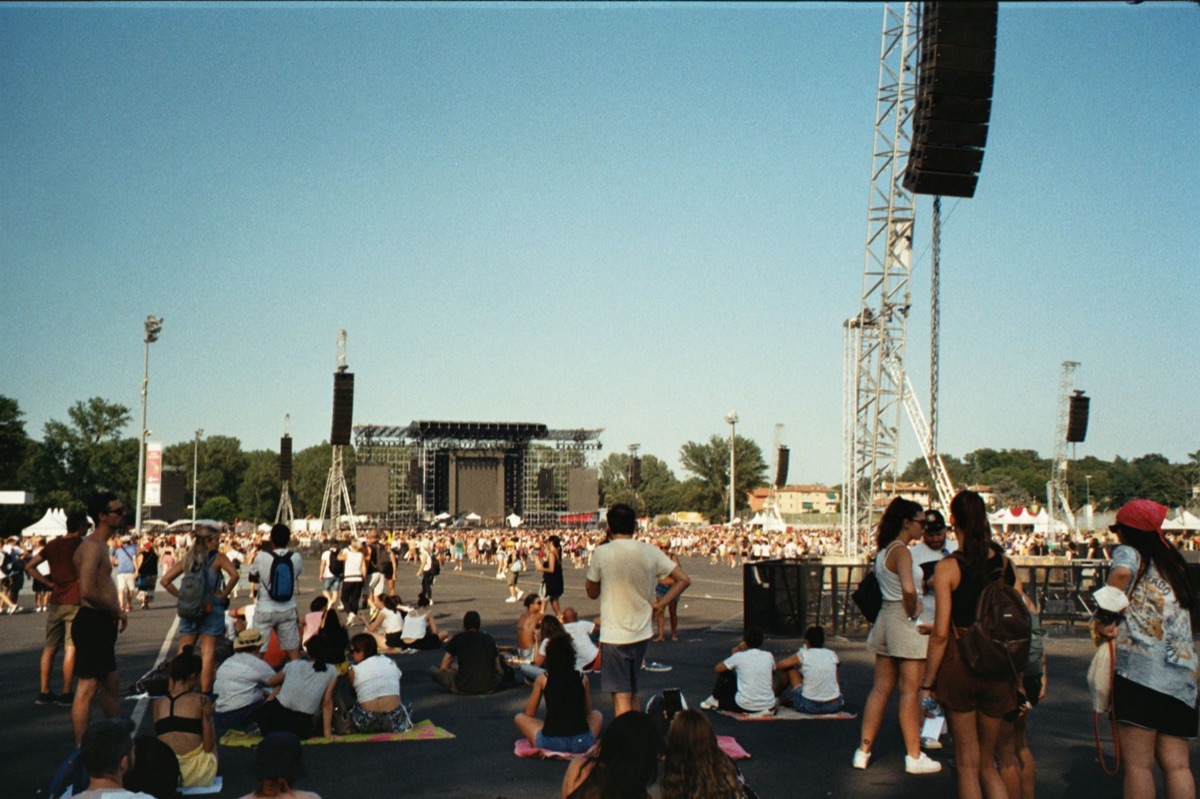
What makes a sound truly experimental? Inside a darkened venue, the low rumble of a bass synthesizer vibrates through the floorboards, pulling the crowd into a different reality. In the heat of a 2026 summer night, spectators wipe sweat from their brows, their eyes fixed intensely on the stage.
It is a mesmerizing sight to watch fragments of different genres coalesce into a single, massive sonic wave rather than simply playing alongside one another.
The defining characteristic of the Pitchfork Music Festival is its rejection of strict genre categorization. The broad umbrella of "alternative" encompasses a vast spectrum, including indie rock, shoegaze, and post-punk.
When these are layered with precisely engineered electronic beats, the result is an unpredictable and transformative musical experience.
The depth of the sound is what truly sets it apart. Rather than focusing solely on catchy melodies, the festival highlights artists who explore the very texture and structure of sound. This reflects the "curated eye" that defines the Pitchfork brand.
The spotlight is placed on artists who have built unique, self-contained worlds rather than those merely chasing radio hits. But how can such disparate sounds coexist without clashing?
| Feature | Description | Expected Experience |
|---|---|---|
| Genre Diversity | Intersection of indie, electronic, hip-hop, and experimental music | Accommodates a wide range of musical tastes |
| Curation-Led | A strictly selected lineup of artists | Opportunities for discovering new musical frontiers |
| Experimental Structure | Collaborations that ignore traditional boundaries | A unique and original sonic journey |
How can the harmony of alternative and electronic sounds work?
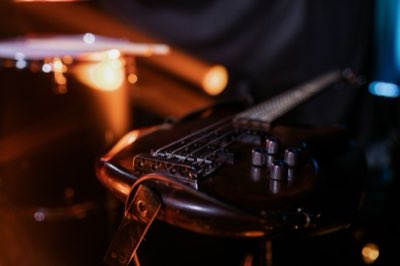
A sudden, sharp guitar riff cuts through the air, momentarily silencing the cold, mechanical beat of a dark club. In the high-output environment of 2026-era sound systems, two worlds that seem entirely incompatible meet on a single stage to find a perfect, fleeting balance.
The core energy of the festival lives in the space where the organic energy of alternative rock meets the precision of electronic programming. The interplay between the "coldness" of synthetic beats and the "warmth" of live instruments creates a journey that prevents auditory boredom.
It is not merely a mix of genres; it is a process of extracting the essence of each to create a new context.
This fusion also reflects the current trajectory of global music. For a generation raised in digital environments, genre is no longer an absolute standard. Pitchfork captures this generational shift, manifesting the blurred lines of modern music through live performance.
When I attended a similar set last year, I noticed how the transition from a live drummer to a programmed loop felt almost seamless in a crowded room. It wasn't a clash, but a handoff.
However, without understanding the urban context of the city, the festival experience remains incomplete.
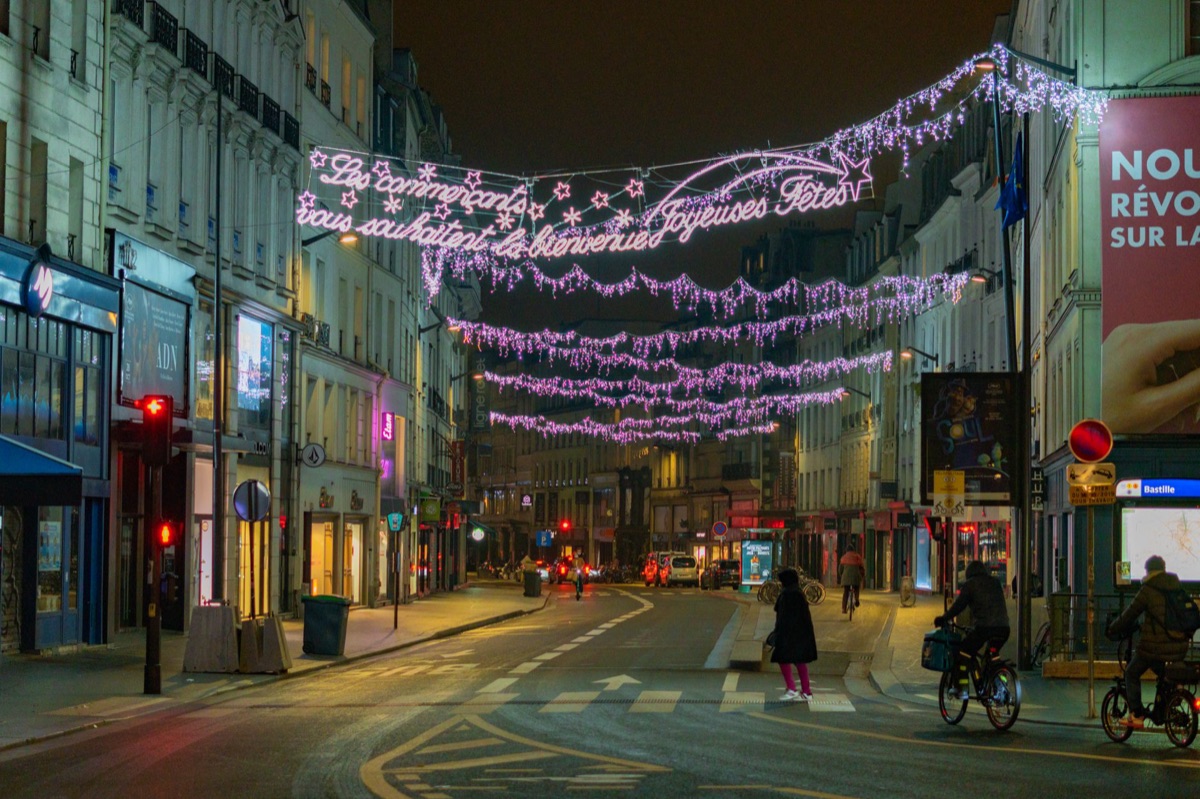
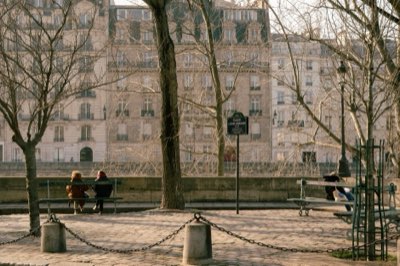
What is the true meaning of Parisian culture? Walking through the streets of Paris at night, one can feel the pulse of modern art seeping through the cracks of ancient stone buildings.
In the late hours of a 2026 night, the distant thud of a bass echoing through the alleys of Montmartre feels like the heartbeat of a city where the past and future live in constant conversation.
Paris has historically been a global epicenter of art, and music is no exception. The Pitchwork Music Festival has grown by utilizing the city's rich cultural infrastructure and its vast pool of creative talent.
The city's dynamic energy inspires the artists, which in turn leads to high-caliber performances, creating a self-sustaining cycle of creativity.
This environment enriches the festival's identity. It becomes more than a series of shows; it becomes a communal space where the cultural identity of Paris is shared.
Audiences from across the globe use music as a universal language to communicate, solidifying Paris's status as a global hub for the avant-garde. But to fully embrace this, there is a specific way to prepare.
A five-step strategy for total musical immersion
As you push through the long lines at the venue entrance and finally find a spot near the stage, the harmony of light and sound makes every minute of waiting worthwhile. However, total immersion requires preparation.
Here is a guide to maximizing your experience during a crowded urban festival in 2026.
- Build a Pre-Festival Playlist: Immediately after the lineup is announced, listen to the artists' key albums multiple times. This is the fastest way to turn the shock of a new, unfamiliar sound into pure emotional resonance.
- Understand Genre Nuances: Familiarizing yourself with how alternative and electronic elements might blend helps you grasp the context of the performance. For high-decibel shows, bringing high-fidelity earplugs is a practical necessity.
- Map the Logistics: Check the walking distances between the main stage and sub-stages. In a busy 2026 festival circuit, you should plan for at least 30 minutes of transition time between sets.
- Prepare Physical Essentials: Wear comfortable, high-quality walking shoes designed for long periods of standing. Additionally, keep a light layer of clothing handy to deal with the variable Parisian summer temperatures.
- Engage with the Local Scene: Check for side events at nearby cafes or pubs before and after the shows. Engaging in musical conversation with locals is an essential part of the festival culture.
Safety and awareness are also vital. In large crowds, maintain a safe distance and be mindful of the physical intensity of electronic sets. Ultimately, the most important thing is to remain flexible—don't let a rigid schedule prevent you from following the spontaneous flow of the music.
But once the music stops, what remains?
Completing the journey of musical inspiration
Walking away from an empty stage after the final set, the lingering echoes in your ears feel like the remnants of a dream. On a summer night in 2026, feeling the cool air hit your face as you head home, your playlist will take on an entirely different meaning.
The Pitchfork Music Festival is not a one-off event. It provides a new lens through which to view the world through sound, offering a sensory experience that stays with you for a lifetime.
This journey of exploring new sounds and breaking boundaries serves as a modern, intellectual playground for all music lovers.
For travelers visiting Paris, this festival is more than just a tourist attraction. The process of discovering new artistic values within the deep cultural context of the city will add a profound layer of depth to your journey.
#


Comments 0