Visit Villette Park: 3-4 Hours for Full Cultural Immersion
"The bass thumps through the soles of your sneakers, a rhythmic heartbeat that turns a stroll through the park into a dance."
If you find yourself wandering through the 19th Arrondissement during a summer festival in 2026, you aren't just visiting a park; you are stepping into a living, breathing cultural engine.
* The Hub: Grande Halle de la Villette is the centerpiece of the park and a premier venue for massive cultural events. * Time Commitment: Expect to spend at least 3 to 4 hours to truly navigate the park's layout and its various cultural installations. * Pro Tip: During peak festival seasons in 2025 and 2026, use the Metro Line 7 (La Villette station) and wear broken-in walking shoes to handle the vast walking distances.
Why is everyone heading to La Villette?
A traveler sits on a weathered wooden bench, peeling the wrapper off a ham and cheese baguette, when a sudden surge of electric guitar cuts through the afternoon heat. They look up, eyes widening, as a sea of people begins to flow toward the northern edge of the city.
The scale of international interest in the region is significant, as according to the World Bank, France recorded international tourist arrivals of 117,109,000 in 2020.
This constant, pulsing movement is the heartbeat of the 19th Arrondissement.
The Parc de la Villette is a masterpiece of urban renewal, built on the site of a former slaughterhouse. It represents a transition from industrial utility to artistic exploration, offering a space that feels much more experimental than the traditional parks found in the city center.
It is a place designed for movement rather than static contemplation.
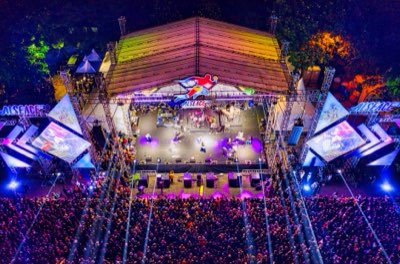
The identity of this space is most visible during major events like the Pitchfork Music Festival. From indie rock to cutting-edge electronic sets, the park becomes a melting pot of sound. People travel from all over to experience this specific blend of industrial heritage and modern creativity.
But why does this specific corner of Paris draw such massive crowds year after year? The answer lies in the way the space was designed to foster community through culture.
What kind of experience does the Grande Halle provide?
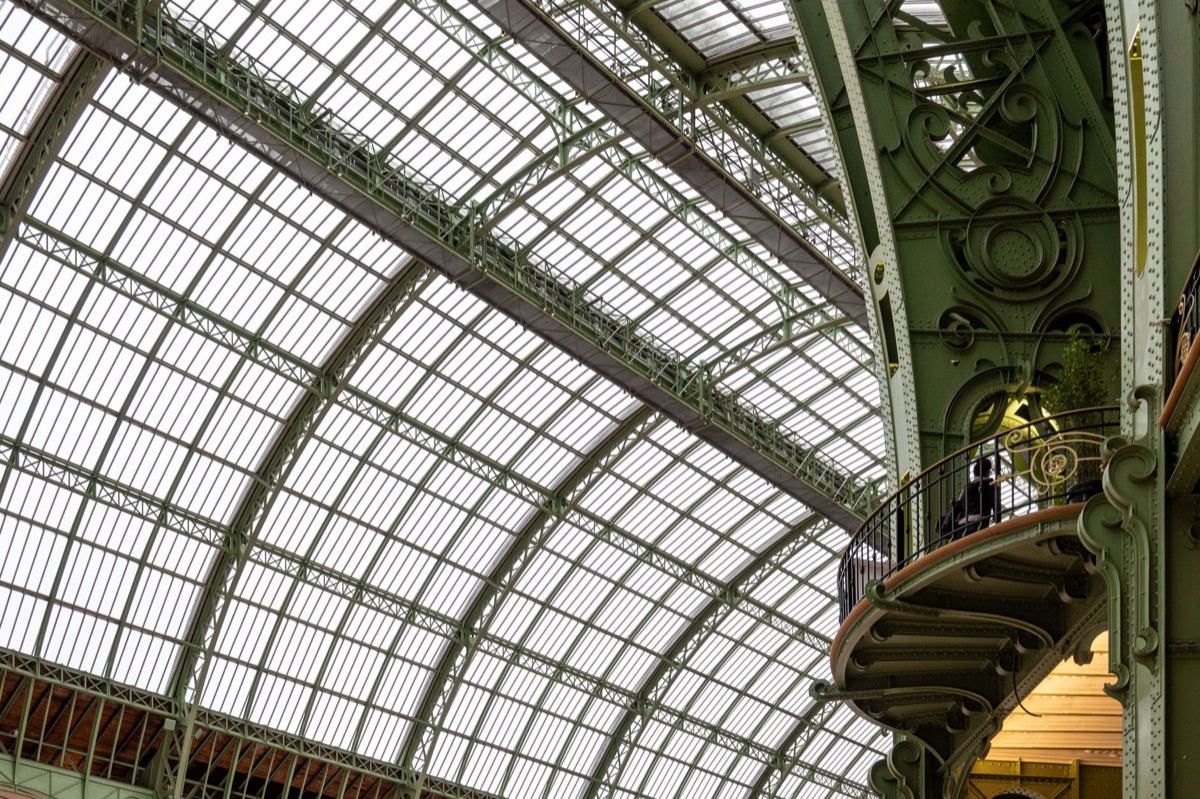
Standing at the entrance of a massive structure, a visitor feels the shadow of giant steel beams stretching toward the sky, momentarily blocking out the sun. The sheer scale of the architecture makes the surrounding crowds seem small, yet the energy remains intensely personal.
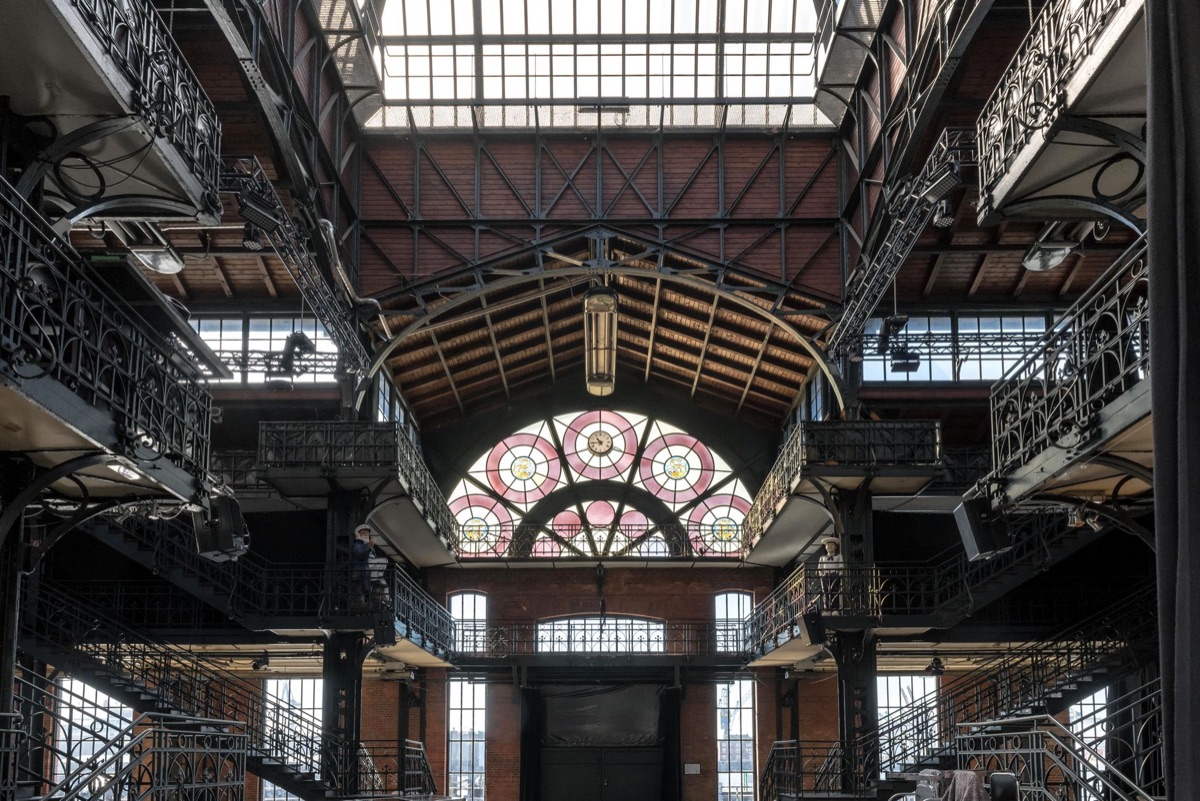
The Grande Halle de la Villette is the crown jewel of the park, characterized by its massive dome and vast, open-concept interior. It preserves the grand, sweeping scale of its industrial past while integrating state-of-the-art acoustics and stage technology.
It is a space that feels both hollow and full at the same time.
The primary strength of this venue is its flexibility. The massive internal hall is tall enough to accommodate large-scale stage productions, yet it is designed so that various art exhibitions and workshops can happen simultaneously without losing their individual identity.
This versatility is why major festivals choose this site; it allows the audience to interact with the architecture as much as the music.
| Feature | Description | Festival Advantage |
|---|---|---|
| Architectural Structure | Massive dome and steel framework | Provides an immersive visual and acoustic experience |
| Space Utilization | Multi-purpose cultural complex | Allows for simultaneous concerts, exhibits, and rest areas |
| Accessibility | Proximity to Metro lines | Facilitates easy movement for large crowds |
| Atmosphere | Blend of industrial heritage and modernism | Creates a unique, experimental cultural identity |
While the scale is impressive, navigating such a massive complex requires a bit of tactical planning to avoid exhaustion.
How do you make the most of a festival visit?
The smell of gourmet food trucks—greasy fries, spiced meats, and sweet pastries—mingles with the low hum of thousands of voices in the late afternoon. Someone spreads a small blanket on the grass to claim a spot, while another group moves briskly toward the stage to secure a view of the opening act.
To enjoy a large-scale event at La Villette without losing your sanity, you need a strategy. Given the heat of a Parisian summer and the density of the crowds, a lack of preparation can turn a great concert into a grueling ordeal.
When I first visited during a peak summer weekend, I realized that without a plan, you spend more time fighting the crowd than enjoying the music.
First, focus on timing and layout. Because events often spill out from the Grande Halle into the surrounding park, you need to check the full schedule of the entire park, not just the main stage.
Second, plan your transit. During festivals, traffic in the 19th Arrondissement can become a standstill. Using the Metro Line 7 to reach La Villette station is almost always faster than attempting to grab a taxi or rideshare.
Third, dress for the environment. You will be walking on hard pavement and uneven paths for hours, so comfortable sneakers are non-negotiable. Additionally, since the transition from the hot outdoors to the air-conditioned hall can be jarring, a light jacket is a wise addition to your bag.
- Confirm Reservations: Tickets are essential, and some specific workshops or VIP areas may require separate pre-booking.
- Manage the Exit: After a concert ends, the exits become extremely congested. It is often better to linger for 20 minutes to grab a drink or listen to ambient music rather than fighting the initial surge of the crowd.
- Hydration and Food: Utilize the various food stalls within the park, but try to eat during the "lull" periods between sets to avoid massive queues.
- Security Awareness: In high-density crowds, keep your belongings in front of you and stay mindful of your surroundings.
Even with perfect preparation, the sheer energy of the place can be overwhelming for some visitors.
Where should you stay and how do you connect?
Walking back to a hotel late at night, the cool air hits your face as the loud music fades into a distant memory. The streets, once pulsing with light and sound, return to a quiet, contemplative Parisian nighttime rhythm.
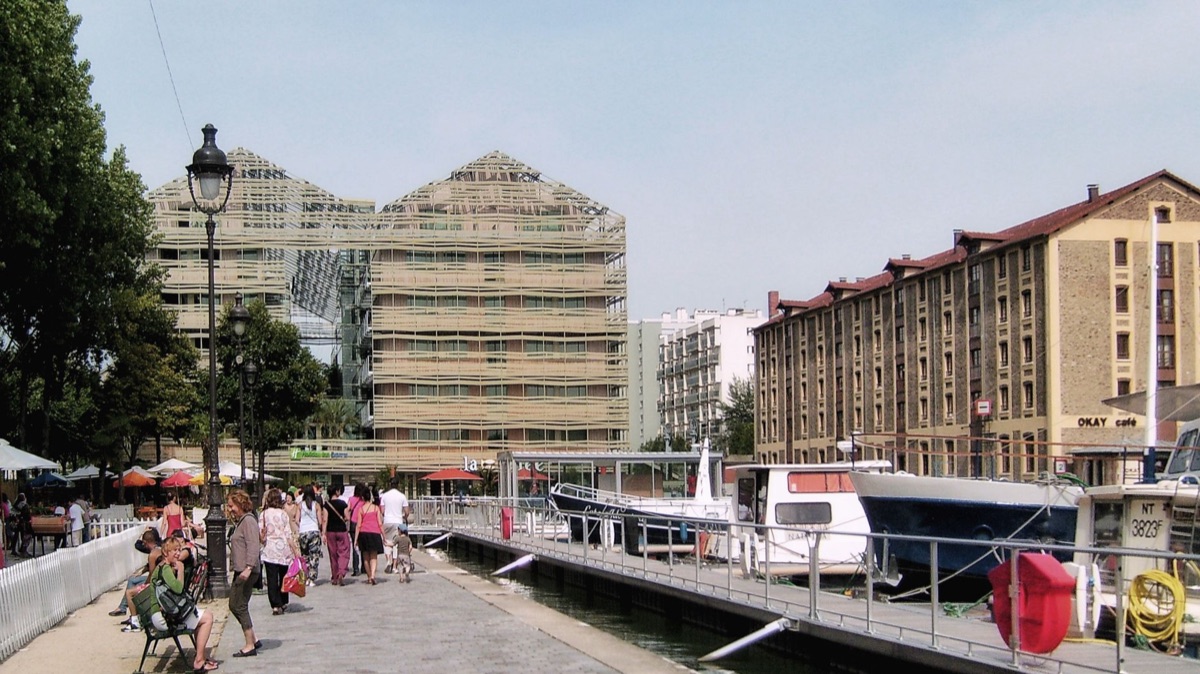
The 19th Arrondissement offers a vibe that is distinctly different from the tourist-heavy districts of the 1st or 4th. It is a neighborhood of local energy, making it a perfect base for travelers who want to see how Parisians actually live.
When choosing accommodation, proximity is your best friend. Boutique hotels or well-rated apartments within the 19th are great for those who want to walk to the venue. If you prefer a slightly more polished or central atmosphere, look for stays in the 10th or 11th Arrondissements.
These areas are easily connected to La Villette via the Metro and offer a high density of trendy cafes and restaurants, making it easy to transition from a concert to a late-night meal.
Because the park itself is so expansive, it is helpful to note that it houses various other attractions, such as the Cité des Sciences et des Industries. This means the area is a legitimate destination even outside of festival season.
However, there is a specific way to capture the beauty of this place.
Capturing the perfect shot
A photographer adjusts the focus on a lens, framing the massive silhouette of the building against a bruised, purple sunset. As the shutter clicks, the movement of the crowd becomes a blur of color against the sharp lines of the steel.
The geometry of the Grande Halle and the open vistas of the park make it a dream for photography enthusiasts. The industrial steel frames provide a modern, graphic backdrop that works exceptionally well for portraiture.
The "golden hour"—just before sunset—is particularly magical here. The way the light hits the structures and changes the color of the sky creates a dramatic backdrop for anyone looking to capture the essence of the city.
During a festival, the combination of stage lighting and the natural dusk creates a cinematic atmosphere. Still, not everyone finds this level of intensity appealing.
Final advice for the traveler
Standing in the middle of an empty park after the crowds have dispersed, you feel a strange mix of exhaustion and lingering excitement. What was a loud, chaotic space just hours ago is now a quiet expanse of grass and steel.
The Grande Halle and Parc de la Villette are more than just concert venues; they are expressions of a modern, evolving Paris. To truly experience it, you have to let go of a rigid schedule and allow yourself to follow the flow of the crowd and the rhythm of the space.
When you plan your trip to Paris, look beyond the traditional museums. Incorporating a visit to this dynamic cultural hub will give you a glimpse of the city's contemporary pulse.
Just remember that this is a place of noise and movement—if you are looking for a quiet, contemplative retreat, you might find it a bit too loud.
#




Comments 0