Summit vs. 2nd Floor: Choosing Your Perfect Eiffel View
"Don't just stand in line; design your ascent."
To truly experience the Iron Lady, you must transition from a passive tourist to a strategic visitor. Success depends on understanding the difference between a mere photo op and a curated Parisian moment.
* Book timed-entry tickets months in advance to bypass unpredictable on-site queues. * Match your ticket tier (Summit vs. 2nd Floor) to your specific photography or sightseeing goals. * Time your ascent to hit the "Golden Hour" for the best lighting and transition into the nightly sparkle. * Plan your post-climb movement to include the Champ de Mars or a Seine river cruise for a complete loop.
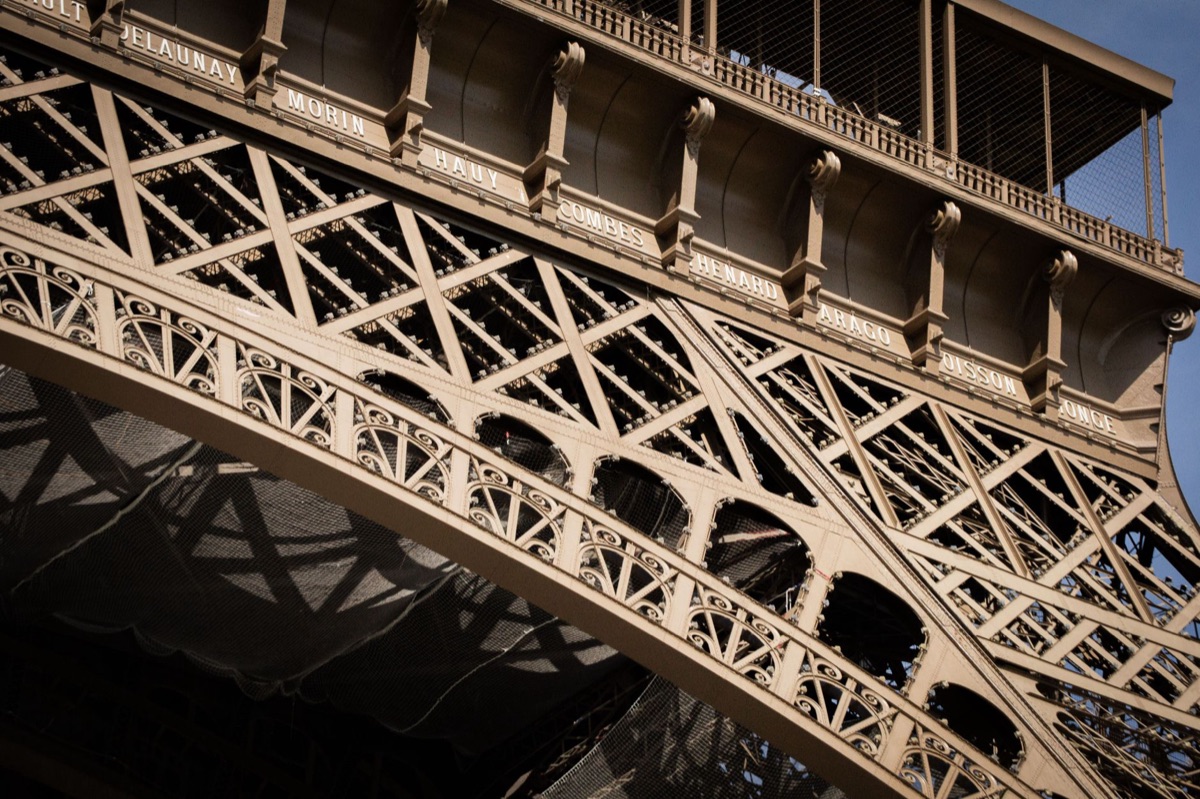
When should I buy to master the reservation system? The sun hits the iron lattice at 8:00 AM, casting long, sharp shadows across the Trocadéro plaza as the first group of travelers begins to gather.
You stand in a line that stretches toward the Seine, watching as hundreds of people shuffle forward, eyes glued to their phones, hoping a digital QR code will save them hours of waiting. In July 2026, the sheer volume of travelers makes a walk-up ticket almost impossible to secure during peak hours.
Securing a reservation is the single most important factor in your visit. During peak seasons—specifically summer months and school holidays—tickets often sell out weeks or even months in advance.
If you arrive without a pre-booked time slot, you are essentially gambling with your Parisian itinerary.
The reservation system is tiered based on your destination within the tower. Tickets for the 1st Floor or the 2nd Floor are generally easier to secure than those for the Summit.
If you are traveling during a busy weekend, the "last minute" risk becomes a reality where you might spend four hours in a queue only to find the elevators are at capacity.
Always check the official website for seasonal operational changes. Maintenance schedules can occasionally close specific levels, meaning a ticket for the 2nd Floor might not grant you access to the higher reaches if certain elevators are undergoing service.
Booking a timed entry doesn't just guarantee you a spot; it guarantees your schedule.
But having a ticket is only half the battle; you still have to decide where you actually want to stand.
Should I choose the summit, top floor, or the grounds? A group of friends stands on the 2nd Floor, leaning against the railing to catch a breeze, while a couple higher up gazes intensely at the horizon from the very tip of the structure. The wind whistles through the ironwork, and the city of Paris spreads out like a living map beneath them.
Deciding where to go requires understanding the trade-offs between height and perspective. The Summit is the highest accessible point, offering a breathtaking, bird's-eye view of the city. It is the ultimate bucket-list item, but it comes with a premium price and a more restricted atmosphere.
The 2nd Floor, located higher up than the 1st, is often considered the "sweet spot" for photography. From this level, you are high enough to see the sprawling geometry of the city, yet low enough that the landmarks like the Arc de Triomphe and the Louvre still feel tangible and impressive.
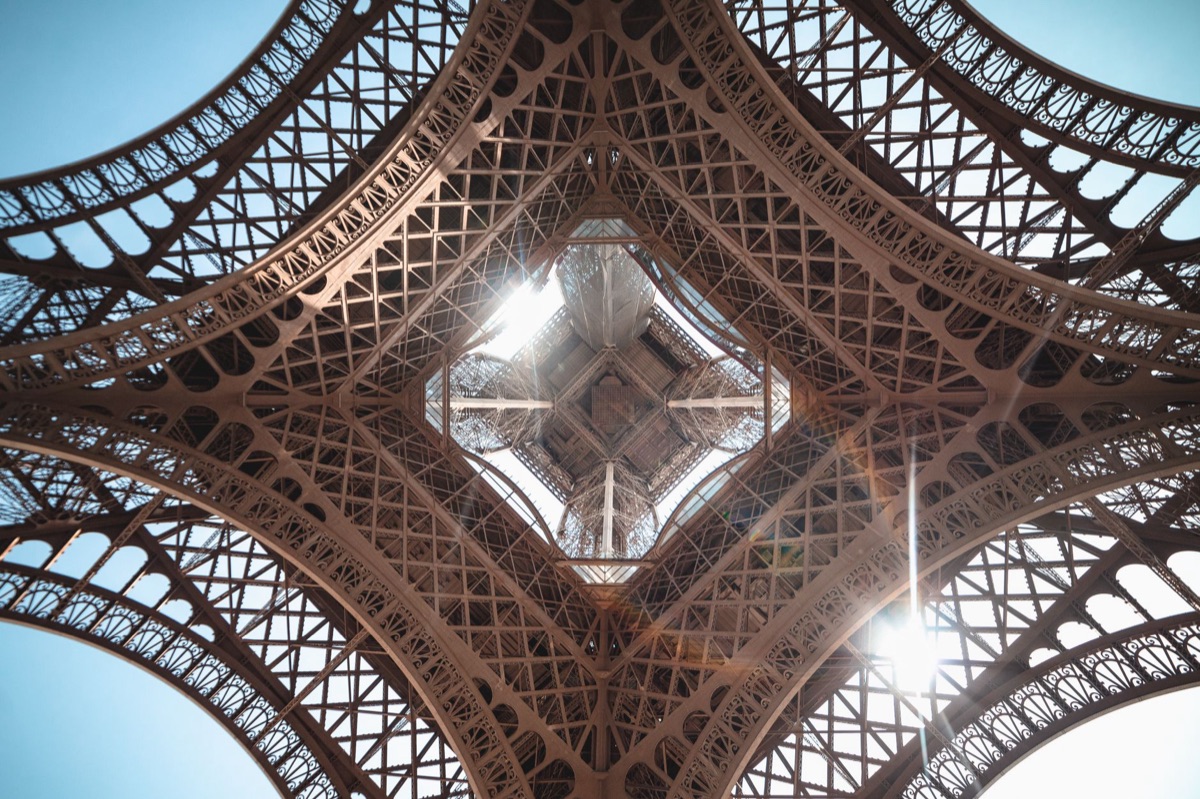
If your goal is to experience the sheer scale of the architecture, the 1st Floor offers unique perspectives of the ironwork and a sense of being "inside" the structure.
For those who prefer the view *of* the tower rather than the view *from* it, spending time on the Champ de Mars or at the Trocadéro gardens provides the classic, postcard-perfect shots without the elevator wait.
| Feature | The Summit | 2nd Floor | 1st Floor |
|---|---|---|---|
| View Type | Extreme height, panoramic | Balanced city overview | Close-up architecture |
| Crowd Level | High (but controlled) | Moderate to High | Variable |
| Price Point | Highest | Mid-range | Most affordable |
| Best For | Once-in-a-lifetime views | Photography enthusiasts | Casual visitors |
When I attempted to visit in the late afternoon last year, I realized that choosing the wrong level can completely ruin your photography plans. The problem is that even with the right level, you might still miss the magic of the light.
The Perfect Visit Day: Timing Your Arrival & Experience
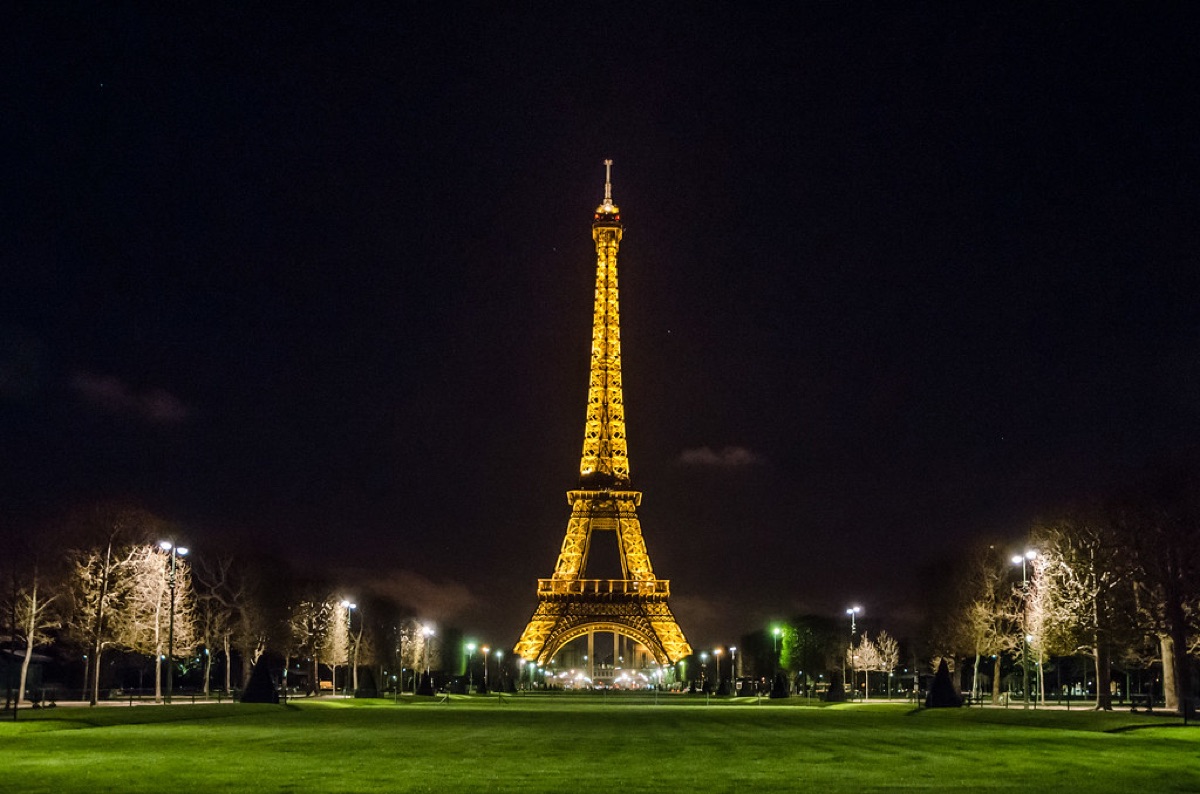
The sky turns a bruised purple as the sun dips below the Parisian horizon, and suddenly, the tower erupts into a shimmering dance of white lights. People on the ground go silent for a moment, phones raised in unison, as the transition from day to night transforms the atmosphere.
Timing is the difference between a crowded trek and a magical memory. If you want to avoid the densest crowds, an early morning ascent is your best bet. However, for the most dramatic visual experience, you should aim for the "Golden Hour"—the period just before sunset.
By timing your ascent to arrive at the 2nd Floor or Summit just as the sun begins to set, you witness the city transition from daylight to the twinkling evening glow. This allows you to see both the clear architectural details and the romantic nighttime skyline in a single visit.
After you descend, your itinerary should flow logically. If you visit in the late afternoon, a sunset Seine river cruise is a perfect follow-up. If you visit in the morning, you can transition easily to a stroll through the nearby Musee du Quai Branly or a picnic on the lawns of the Champ de Mars.
Keep in mind that the "Sparkle Show"—the momentary flashing of lights—occurs for five minutes at the start of every hour after dusk. To make the most of your day, follow this checklist:
- Verify your ticket level: Ensure your booking matches your desired height before arriving at the security gate.
- Buffer for security: Arrive at the base at least 30 minutes before your scheduled time to clear the mandatory screening.
- Time the transition: Aim to be at your chosen level 30 minutes before sunset to capture the changing light.
- Plan the descent: Have a post-climb destination (like a nearby bistro) ready so you don't wander aimlessly through crowds.
But how do you actually navigate the streets to get there without getting lost in the tourist shuffle?
Navigating Paris Like a Local: Pre-Visit Logistics
The metro doors hiss shut at Bir-Hakeim station, and a traveler steps out into the bustling energy of the 7th Arrondissement, checking a map before setting off on foot. The air smells of fresh rain and toasted bread, a reminder that the city is always moving, always breathing.
Reaching the tower is straightforward via the Metro (Lines 6 and 9 are the closest), but be prepared for heavy foot traffic around the stations. In 2025 and 2026, transit hubs in the 7th Arrondissement remain some of the busiest in the city.
Security checkpoints are mandatory and can cause bottlenecks; always allow an extra 30 minutes of buffer time between your transit arrival and your scheduled ticket time. Security is tight around the base of the tower, with permanent fencing and screening processes in place.
While this can feel restrictive, it is a standard part of the Parisian tourist experience.
If the weather turns gray or rainy—a common occurrence—don't be discouraged. The tower looks strikingly different in the mist, and a rainy Parisian day is often the perfect excuse to duck into a nearby bistro for a hot café au lait.
To add a "Parisian touch" to your trip, don't just rush in and out. Buy a fresh baguette and some local cheeses from a nearby boulangerie and head to the Champ de Mars.
Sitting on the grass, looking up at the iron structure you just climbed, provides a sense of scale that no elevator ride can replicate.





Comments 0