Eating in Paris? Know These 5 Rituals for a Truly Local Meal
"To eat well in Paris, you must learn to look past the gold-leafed menus and find the soul of the neighborhood."
Finding an authentic meal in the City of Light is often a battle between desire and deception. You want the charm of a candlelit corner, but you risk ending up with a frozen plate and a massive bill.
* Prioritize the neighborhood over the monument: The best meals are rarely found within a three-minute walk of the Louvre or the Eiffel Tower. * Master the timing: Understand that French dining follows a rhythm of courses and specific service hours that do not cater to American-style "anytime" eating. * Avoid the "Tourist Trap" visual cues: If there is a host standing outside waving you in with a laminated photo menu, keep walking.
Where to Go: Choosing Your Parisian Dining Vibe
I stood on a cobblestone corner in the 11th arrondissement last Tuesday, watching a group of locals squeeze into a tiny, dimly lit room. There was no signage, just a handwritten chalkboard and the smell of garlic hitting hot butter.
The choice of where to eat in Paris defines your entire travel experience. In the central arrondissements, you are often paying for the view or the proximity to a museum rather than the quality of the ingredients.
In 2025, as travel surged, the density of these traps in the 1st through 4th districts became even more apparent to seasoned travelers.
While the central districts are beautiful, the culinary heart often beats more strongly in the 10th, 11th, and sometimes the 17th. You must distinguish between different types of establishments to manage your expectations.
A *Bistrot* is typically a small, casual neighborhood spot focusing on hearty, home-style cooking.
A *Brasserie* is larger, often grander, and stays open for longer hours, serving a wider variety of classics like steak frites or oysters. Then there is the *Cave*, a wine-focused establishment where the food is excellent but secondary to a curated selection of bottles.
To spot a genuine local spot, look at the clientele. If you see people reading newspapers, chatting animatedly in French, or lingering over a single glass of wine for an hour, you have found a place of substance.
If the room is filled entirely with people holding cameras and looking confused by the lack of English menus, you are likely in a tourist trap.
Beyond the Menu: Decoding the Dining Ritual
The waiter approached my table at 8:00 PM, set down a basket of crusty baguette, and vanished without a word. I realized then that the meal wasn't just about the food; it was about the cadence of the service.
Dining in Paris is a ritual of pacing. Unlike the rushed service in many American cities, a French meal is meant to unfold. You will typically move through courses: an *entrée* (appetizer), a *plat principal* (main course), and a *dessert*.
Do not expect your main course to arrive ten minutes after your starter; the transition is intentional to allow for conversation.
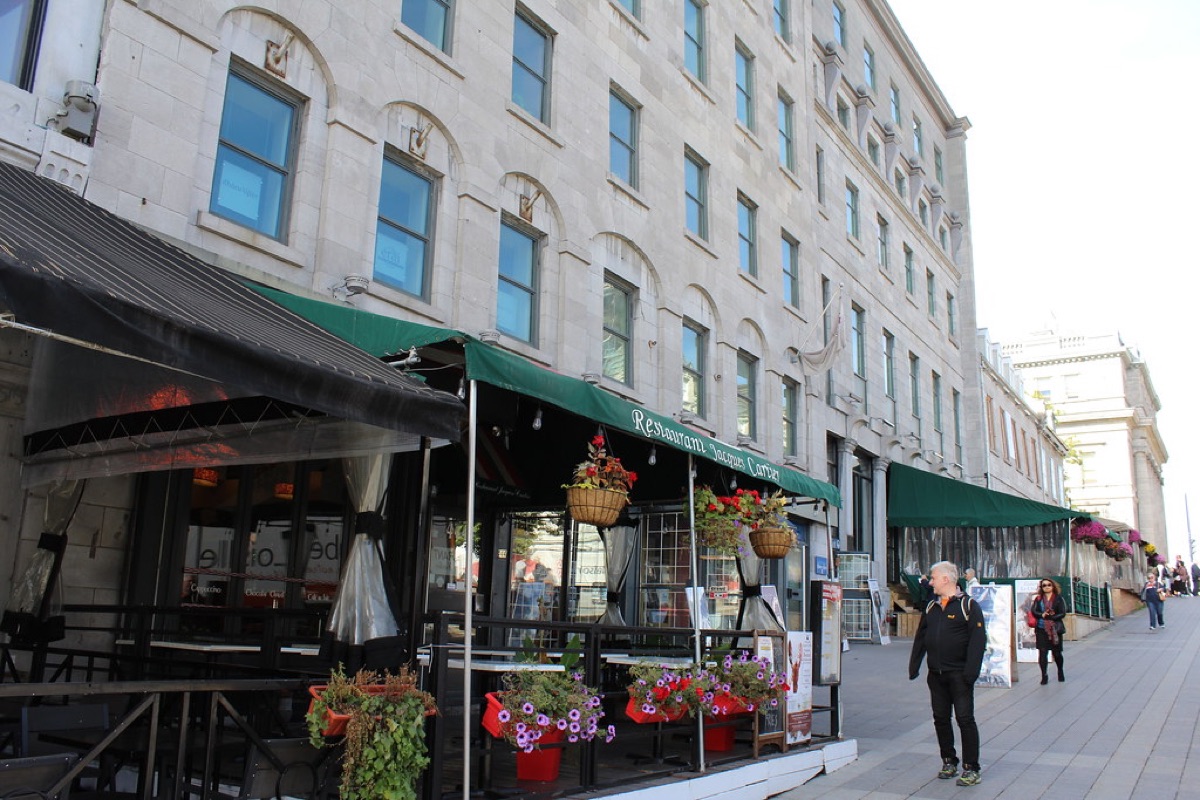
The *terrasse* culture is another vital element. In the warmer months, sitting outside is the quintessential Parisian experience. However, keep in mind that terrace prices are sometimes slightly higher than indoor prices, and you are essentially paying for the "people-watching" tax.
When it comes to beverages, wine is treated as a fundamental component of the meal, not an afterthought. It is common to ask for a *carafe d'eau* (tap water) to avoid paying for bottled water, which is perfectly acceptable and standard practice.
If you are unsure about wine, ask the server for a recommendation that pairs specifically with your chosen dish.
Menu Mastery: What to Order & What to Skip
I stared at a menu that featured nothing but three handwritten lines in chalk, wondering if I had made a mistake by stepping inside. It turned out to be the best meal of my trip.
Success in a Parisian restaurant requires understanding the seasonal nature of French cuisine. The menu is your guide to what is fresh. In the spring, look for asparagus and peas; in the autumn, hunt for mushrooms and game.
A key distinction to make is between the *plat du jour* and the *à la carte* menu. The *plat du jour* is the "dish of the day," usually a chef's special made from the freshest market finds. It is often more affordable and represents the most authentic expression of the kitchen's talent.
Ordering *à la carte* gives you more choice but can lead to much higher prices.
| Feature | Bistrot | Brasserie | Fine Dining |
|---|---|---|---|
| Atmosphere | Intimate, casual | Bustling, grand | Formal, quiet |
| Price Range | €15 - €30 | €25 - €50 | €70+ |
| Service Speed | Moderate | Fast/Efficient | Slow/Ritualistic |
| Best For | Local charm | Groups/Late meals | Special occasions |
When you see a menu that is translated into five different languages with colorful photos of the food, skip it. Authentic French menus are usually concise and written in French.
If you cannot read it, use a translation app or ask the server, but remember that the simplest menus are often the most honest.
Logistics & Budgeting: Making Your Reservation Strategy
I checked my watch and realized I had arrived exactly when the lunch rush hit the bistro. The host gave me a polite but firm look, signaling that the table was reserved for someone else.
Planning is essential to avoid disappointment. For popular bistros in trendy areas like Le Marais or Canal Saint-Martin, making a reservation is not just a suggestion—it is a necessity. High-end restaurants require booking weeks, sometimes months, in advance.
For casual spots, showing up slightly before the main meal service (around 7:00 PM for dinner) can help you secure a seat without a booking.
Regarding the bill, understand that in France, the *service compris* (service included) is standard. This means the tip is already factored into the price of the meal.
While it is polite to leave a few extra Euros in change for exceptional service, you do not need to calculate a 20% tip as you would in the United States.
To navigate a successful dining itinerary, follow these steps:
- Check the hours: Verify if the restaurant is open for both lunch and dinner, as many close between 2:30 PM and 7:00 PM.
- Book in advance: Use apps or call ahead for any restaurant you find through a guide or local recommendation.
- Arrive at the right time: Aim for 7:00 PM or 7:30 PM to hit the sweet spot of service without the extreme rush.
- Confirm the price: Check the menu for "Menu du Jour" prices versus single plate prices to manage your daily budget.
- Finalize the bill: In the evening, settle the bill at the table rather than rushing to the counter.
Budgeting also requires a mindset shift. Do not expect to eat a full, three-course meal at a high-end restaurant for the price of a casual lunch in New York.
However, you can find incredible value by utilizing the lunch menu (*le déjeuner*), which often offers multi-course deals at a fraction of the dinner price.







Comments 0