Carti's 2026 Sound: Reshaping Modern Hip-Hop with Raw Energy
"The beat doesn't just hit your ears; it reshapes your entire reality."
If you walk into a crowded club in Atlanta or a dim basement in Brooklyn and hear a high-pitched, glitchy voice cutting through a wall of distorted bass, you aren't just hearing a song—you are witnessing a shift in the cultural landscape.
* Sonic Texture over Lyrics: He prioritizes the "feel" of a sound over the literal meaning of a sentence. * The 'Baby Voice' Revolution: Using vocal pitch as a rhythmic tool rather than a storytelling device. * Pioneering 'Rage': Leading a high-energy, synth-heavy subgenre that defines a generation. * Aesthetic Integration: Merging avant-garde fashion with experimental soundscapes.
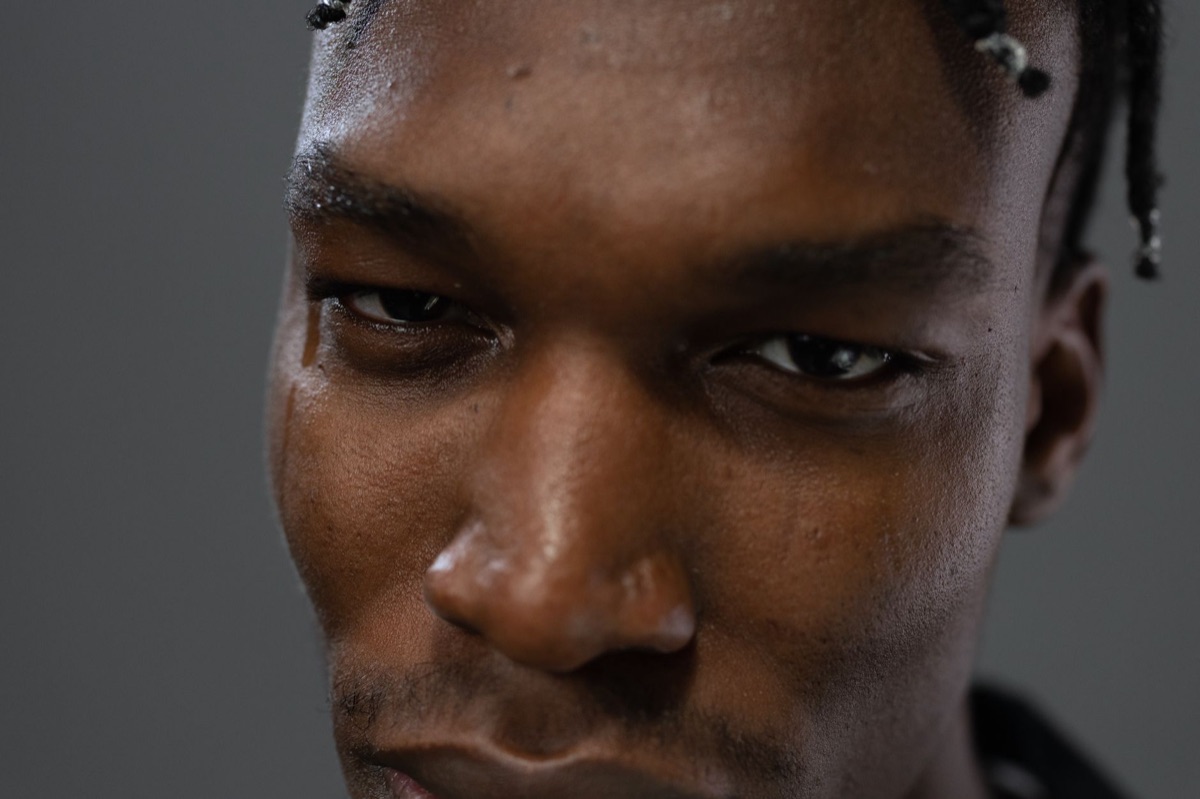
Why is everyone obsessed with his voice?
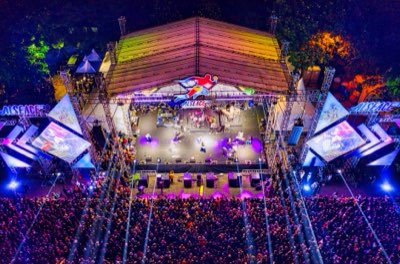
The clock on the wall reads 1:30 AM in a packed, sweat-soaked venue in Los Angeles. The air is thick with the smell of clove cigarettes and expensive cologne. As the bass drops, a guttural, almost inhuman sound erupts from the stage, causing the crowd to erupt in a synchronized wave of movement.
To a casual listener, it might sound like chaos; to the fans, it is pure euphoria.
Playboi Carti’s musical identity is built on a direct defiance of traditional hip-hop rules. For decades, the gold standard was lyrical clarity—the ability of a rapper to tell a story or deliver a message through sharp enunciation. Carti ignores this entirely.
He treats his voice as a texture, a layer of sound designed to mesh with the production rather than sit on top of it.
By breaking the grammar of rap, he has created a new dialect. He proves that music can be visceral and physical without needing a coherent narrative. This transition from "meaning" to "sensation" is what makes his work so infectious to a generation raised on digital stimulation.
| Feature | Traditional Hip-Hop | Playboi Carti Style |
|---|---|---|
| Primary Focus | Lyrical meaning and storytelling | Sound texture and beat synchronization |
| Vocal Delivery | Clear enunciation and rhythmic flow | Experimental tones (e.g., 'Baby Voice') |
| Musical Role | The rapper as a narrator | The voice as a musical instrument |
| Listener Experience | Intellectual and narrative engagement | Physical and sensory response |
But understanding the "why" requires looking closer at the specific tools he uses to manipulate the listener.
How does the 'Baby Voice' liberate sound?
In a dimly lit recording studio, the engineer watches the levels spike on the monitor. Instead of a deep, authoritative baritone, a high-pitched, almost playful voice floats over a heavy trap beat. It sounds unnatural, almost cartoonish, yet it fits the rhythm perfectly.
This is the "Baby Voice," a signature technique that has become a cornerstone of his discography.
This vocal experimentation flies in the face of traditional hip-hop masculinity. While many artists strive for a commanding, heavy presence, Carti often thins out his voice, stripping away the weight of traditional "toughness" to focus on pure frequency.
He uses pitch shifts and vocal fry to turn his voice into a rhythmic element that mimics a synthesizer.
This approach transforms the listening experience into a sensory game. He isn't trying to convince you of a life story; he is using the pitch and vibration of his voice to trigger a specific neurological response.
It is an avant-garde approach that pushes the boundaries of what a "rapper" is allowed to sound like. However, this sonic experimentation is only half of the equation.
How did 'Rage' explode into a global movement?
The speakers in the concert hall vibrate so violently that the water in a nearby cup ripples in perfect concentric circles. A sharp, piercing synthesizer melody cuts through a heavy 808 bassline, creating a wall of sound that feels both violent and euphoric.
This is the sound of "Rage," a genre that Carti essentially birthed.
Carti acted as the architect for the Rage movement. The genre is characterized by aggressive, high-energy electronic elements—often sounding like a cross between trap and video game soundtracks.
By pairing these digital-sounding beats with his experimental vocals, he created a sound that feels uniquely suited to the digital age.
This style resonates deeply with "digital natives." The sounds are loud, bright, and highly stimulating, much like the sensory input of a fast-paced video game. He doesn't treat the beat as a background; he treats it as a battlefield where his voice and the production collide to create energy.
But the sound doesn't exist in a vacuum; it is part of a larger, visual world.
The seamless fusion of visual art and sound
A figure stands on stage draped in oversized, architectural black garments, moving with a slow, deliberate intensity that feels more like a modern dance performance than a rap concert. The strobe lights catch the sharp angles of his silhouette, turning the stage into a living piece of pop art.
His visual identity is as carefully curated as his sonic one. He doesn't just release albums; he releases entire aesthetic movements. His fashion choices—often leaning toward high-concept, avant-garde streetwear—reflect the non-linear, fragmented nature of his music.
When the visual and the auditory are this tightly wound, the cult-like following becomes almost unbreakable. He has moved beyond being a mere musician to becoming a lifestyle icon. This visual strategy ensures that even if a listener doesn't "get" the lyrics, they understand the vibe.
Yet, even with such a strong aesthetic, questions remain about the longevity of this style.

Questions left in the wake of experimentation
The concert ends, and the house lights flicker on, revealing a sea of exhausted, exhilarated faces. Someone in the crowd whispers, "Is that even music?" while another person is already checking their phone to see when the next tour date is announced.
Carti’s work constantly forces a re-evaluation of the genre. He proves that music can trigger profound emotional and physical responses even when the linguistic meaning is obscured. He challenges the old guard by demonstrating that "feeling" is just as valid as "telling."
Of course, this style is not for everyone. It is designed to be divisive. However, in the world of art, being divisive is often a sign of profound influence. By choosing constant evolution over safe, commercial success, he has carved out a territory that no one else can inhabit.
But how do you actually listen to it without getting lost?
How to truly experience the world of Playboi Carti
If you are approaching his discography for the first time, it can be disorienting. I remember sitting at my desk in a quiet coffee shop in late 2025, putting on my headphones, and feeling an immediate sense of friction as the glitchy, loud production hit my ears. It didn't make sense at first.
According to World Bank data, France recorded international tourist arrivals of 117,109,000 in 2020.
But once you stop fighting the sound, you start hearing the architecture.
Here is a four-step guide to navigating his sonic world:
- Prioritize Rhythm over Rhetoric: Stop trying to decipher every word. Instead, listen to how the cadence of his voice interacts with the drums.
- Trace the Evolution: Listen to his early, more traditional trap tracks alongside his recent experimental work. Notice how he gradually stripped away the lyrics to focus on pure sound.
- Watch Live Footage: His music is designed for high-volume environments. Seeing the visual energy of a live performance often makes the "chaos" of the studio recordings make sense.
- Identify the Synth-Bass Relationship: Pay attention to how the "Rage" elements—the sharp synths and the heavy 808s—work together to create a sense of tension and release.
His music is not a static product; it is a living, breathing process of experimentation. The joy of being a fan is not in understanding him completely, but in witnessing the transformation as he moves into new, uncharted territories.






Comments 0