Paris Lodging decoded: 20 Districts, One Perfect Stay
"Paris is not a single city, but a collection of twenty distinct worlds, each with its own heartbeat."
Choosing where to sleep in Paris is often more stressful than packing your suitcase. The right neighborhood can make you feel like a local protagonist in a classic film, while the wrong one can leave you feeling stranded in a tourist trap or commuting through endless metro transfers.
Key Takeaways * Match your budget and desired atmosphere (e.g., bohemian vs. upscale) to the specific Arrondissement's character. * Consider proximity to your primary activities (Museums, dining, local life) rather than just tourist hotspots.
* Safety and Metro accessibility are paramount factors when making your booking decision.
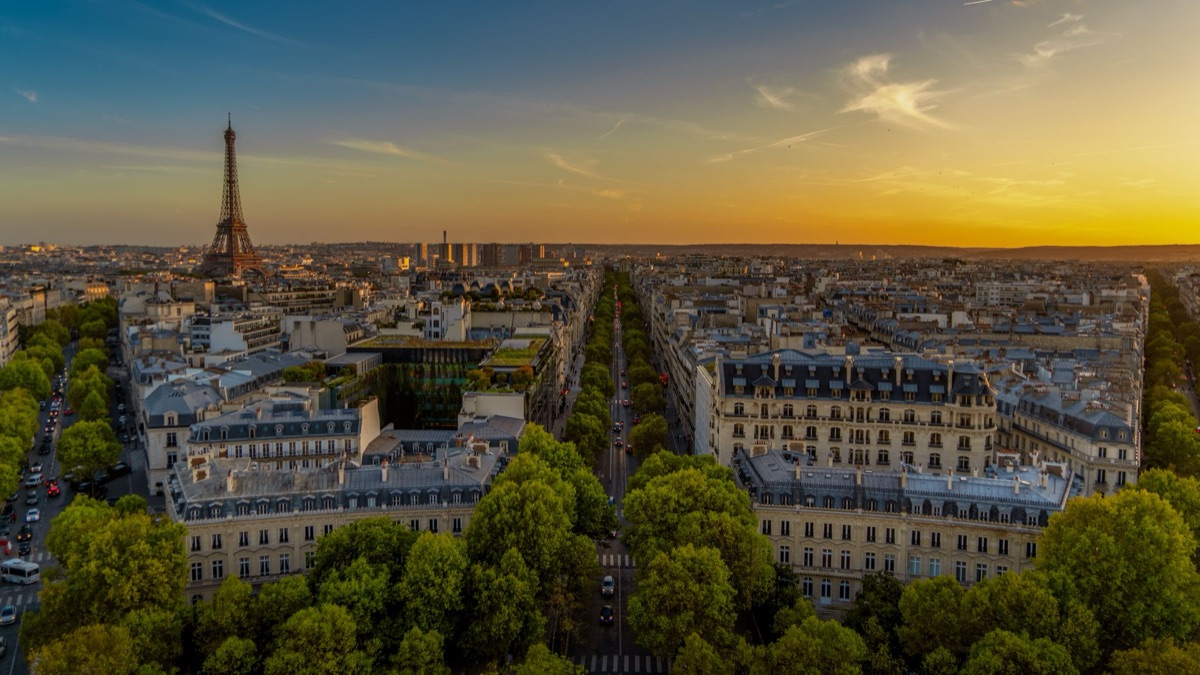
Why does your choice of Arrondissement matter in Paris?
I remember standing at the entrance of the Metro station in the 1st Arrondissement during my first trip, staring at a map that looked more like a complicated spiderweb than a transit guide. According to World Bank data, France recorded international tourist arrivals of 117,109,000 in 2020.
The sheer density of the city hit me; I realized that being "in Paris" wasn't enough—I had to be in the *right* part of Paris.
Paris is a compact but layered metropolis. With an estimated city population of 2.04 million living within an area of 105.4 km2, the density is palpable.
While the metropolitan population has grown to 13.2 million as of January 2026, the heart of the city remains the *intra-muros*—the area within the historical boundaries.
The city is divided into 20 districts, known as Arrondissements, which spiral out from the center like a snail shell. Each district has its own "DNA." Some are high-fashion hubs, some are student playgrounds, and others are quiet residential pockets.
Your choice isn't just about a bed; it is a decision matrix of experience, logistics, and budget.
If you pick a district solely because it is near the Eiffel Tower, you might find yourself paying a premium for a cramped room and dealing with heavy tourist crowds every single morning. Conversely, picking a quiet suburb might save you money but cost you hours of travel time.
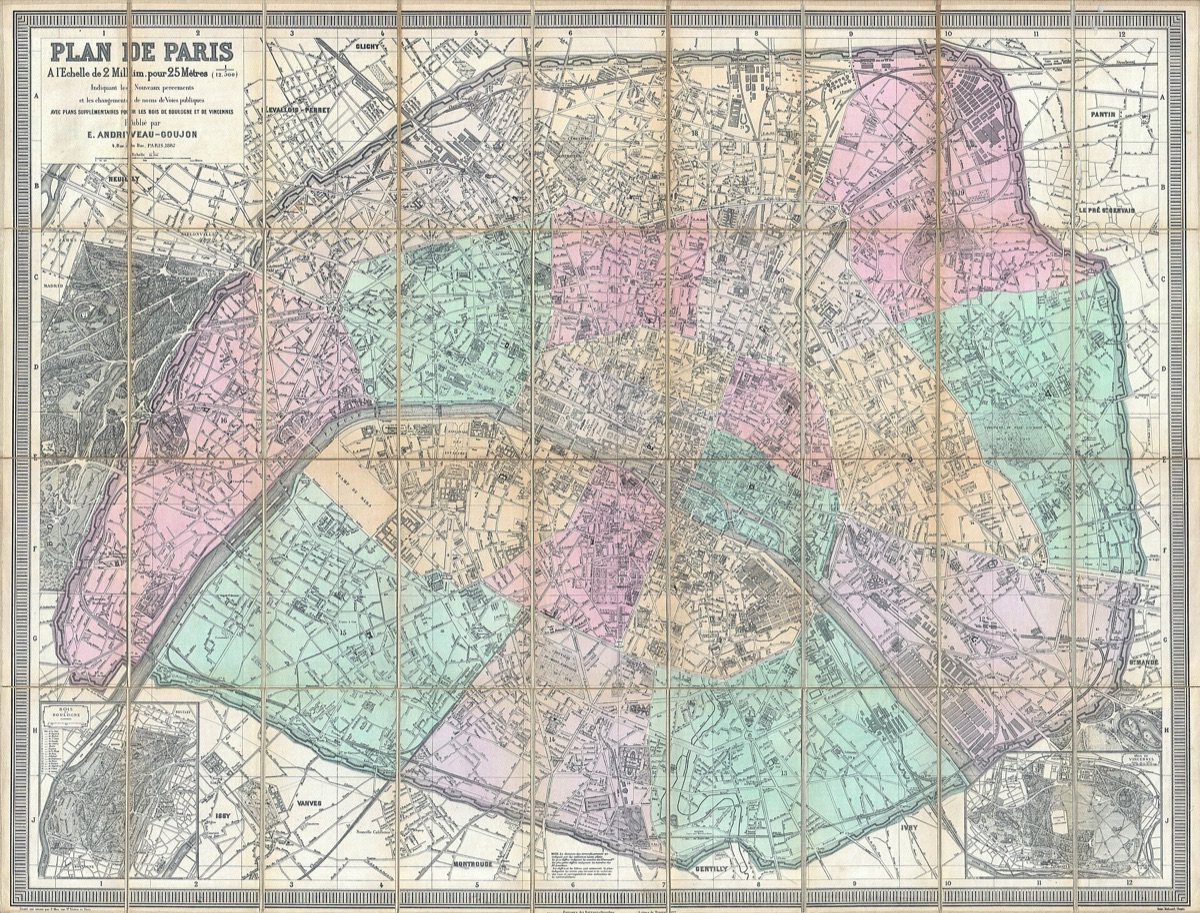
Which Arrondissement fits your vibe and budget?
Walking through the cobblestone streets of Le Marais at 10:00 PM, the smell of fresh crepes and the sound of distant jazz filled the air, making me realize why people fall in love with specific neighborhoods. It wasn't just the sights; it was the atmosphere.
The Central Hubs: High Tourist Draw and High Cost For first-timers, the central districts are incredibly tempting. Areas like the 1st, 2nd, and 4th Arrondissements place you within walking distance of the Louvre or the Palais Royal.
* The Appeal: You are in the thick of the action. You can walk to major museums and iconic landmarks without needing a transit map. * The Reality: These areas are often the most expensive. You are paying for the privilege of being in the center. In neighborhoods like Saint-Germain-des-Prés (6th Arrondissement), you will find world-class cafes, but you will also find prices that reflect the high demand.
The Local Immersion Spots: Authenticity and Vibe If you want to feel like you actually live in Paris, you look toward the outer rings of the central city.
* Bohemian Charm: The 18th Arrondissement, home to Montmartre, offers that quintessential artistic vibe. It feels like a village within a city, though it can be crowded during peak hours. * The Intellectual Pulse: The Latin Quarter (5th Arrondissement) offers a mix of historic academic energy and lively nightlife, making it perfect for those who want culture at their doorstep.
The Value Plays: Budget and Logistics For travelers looking to balance their bank account with their itinerary, looking slightly outside the immediate center is a smart move.
* Strategic Locations: Districts like the 11th or 12th often provide a more authentic local experience at a lower price point. You move away from the "museum-adjacent" pricing and into neighborhoods where locals actually shop for groceries and dine at neighborhood bistros. * The Trade-off: You will rely more heavily on the Metro. However, as long as you are near a major line, the travel time is often negligible compared to the savings.
Arrondissements by function: Tailoring your stay
I once stayed in a tiny studio in the 15th Arrondissement because I wanted a quiet night's sleep, only to realize I had a forty-minute commute to the Louvre every single morning. It taught me that your choice must be functional to your specific itinerary.
For the First-Timer and Sightseer If your goal is to check off the "Big Three" (Eiffel Tower, Louvre, Notre Dame), staying in the 1st, 4th, 7th, or 8th is the most efficient. The 7th Arrondissement, for instance, puts you in the shadow of the Eiffel Tower. It is prestigious, safe, and incredibly easy to navigate, though you will definitely be paying a premium for that proximity.
For the Foodie and Culture Seeker If your itinerary revolves around Michelin stars, boulangeries, and food markets, look toward the 3rd, 4th, and 11th. The Marais (4th) is a culinary playground, while the 11th is known for its trendy, chef-driven bistros that cater to a younger, local crowd. You won't just be eating; you'll be experiencing the gastronomic evolution of the city.
For the Business Traveler or Quiet Stay For those traveling for work or seeking a peaceful retreat, the 16th or the 8th (in certain pockets) offer a more refined, residential atmosphere. These areas are generally quieter and more secure, providing a buffer from the hustle of the tourist-heavy streets.
| Arrondissement | Vibe | Cost Level | Best For |
|---|---|---|---|
| 1st & 2nd | Grand, Central, Busy | Very High | Sightseers & Luxury |
| 4th (Le Marais) | Trendy, Historic, Vibrant | High | Fashion & Nightlife |
| 5th & 6th | Intellectual, Classic, Chic | High | Culture & History |
| 7th | Prestigious, Iconic, Quiet | High | Eiffel Tower Proximity |
| 11th | Hip, Local, Culinary | Moderate | Foodies & Nightlife |
| 18th (Montmartre) | Artistic, Bohemian, Steep | Moderate | Romantic/Atmospheric |
| 15th & 16th | Residential, Safe, Polished | Moderate/High | Families & Quiet Stays |
Logistics and safety: Beyond the scenery
Sitting in a crowded Metro carriage during rush hour, I realized that a "great neighborhood" is useless if you can't actually get anywhere from it. Logistics are the invisible backbone of a successful trip.
Metro Connectivity Paris has one of the most efficient transit systems in the world. When choosing an Arrondissement, check the proximity to major lines (like Line 1 or Line 4). A neighborhood that is slightly further out but sits on a direct line to the center is often a better value than a central neighborhood that requires three transfers to reach the sights.
Safety Profile While Paris is generally a safe city, tourist-heavy areas are prime spots for pickpocketing. In crowded areas like the 1st or near major train stations, you must remain vigilant. Generally, the central and western Arrondissements are very safe, while travelers should exercise standard urban caution in more crowded, high-traffic transit hubs.
The "Day Trip" Base If you plan to take day trips to Versailles or Mont Saint-Michel, consider staying near major transit hubs like Gare du Nord or Gare de Lyon. This can save you significant time when you need to head out of the city early in the morning.
Quick-reference guide: Arrondissement profiles
To help you decide, let's look at the quick profiles of the most popular choices.
- The Historic Core (1st, 2nd, 3rd, 4th): High energy, high cost, and walking distance to almost everything. Best for those who want to be in the heart of the history.
- The Left Bank Classics (5th, 6th): Intellectual, romantic, and very expensive. Best for literature lovers and those seeking a "classic" Parisian feel.
- The Iconic West (7th, 8th, 16th): Grand architecture, high security, and very polished. Best for luxury travelers and families.
- The Trendy East (10th, 11th): High energy, excellent food scenes, and more affordable. Best for younger travelers and food enthusiasts.
- The Northern Heights (18th): Artistic, bohemian, and can be quite hilly. Best for those seeking a unique, non-traditional atmosphere.
Planning Your Stay: A Step-by-Step Checklist
Before you hit "book" on that hotel, follow these steps to ensure your choice is sound:
- Define your "Anchor": Identify the top three sights you absolutely must see. Are they clustered in one area?
- Check the Metro Map: Open a digital map and verify that your chosen hotel is within a 5-10 minute walk of a Metro station.
- Analyze the Vibe vs. Budget: Do you want to wake up to the sound of a busy street (Central) or a quiet courtyard (Residential)?
- Verify the "Walking Radius": Use a map tool to see what else is within a 15-minute walk of your accommodation.
- Read Recent Reviews: Check reviews from the last six months to ensure the neighborhood's atmosphere hasn't changed (e.g., new construction or sudden construction noise).






Comments 0