Seine River Cruises: See Paris's Architecture from the Water
"The river is the spine of the city, and you cannot truly understand the bones of Paris until you see them from the water."
To master a Parisian trip, you must understand that the Seine is not just a scenic backdrop; it is a moving gallery of French history. Choosing the right time to board a boat can mean the difference between a crowded tourist trap and a transformative moment of architectural clarity.
Key Takeaways * The Seine provides a unique, moving perspective on the city's architectural timeline that you cannot get from a sidewalk. * Optimal timing depends entirely on whether you prioritize historical detail or romantic ambiance.
* Pre-planning your cruise logistics is essential to avoid long lines and crowded decks during peak hours.
Why the Seine is the Heart of Your Journey
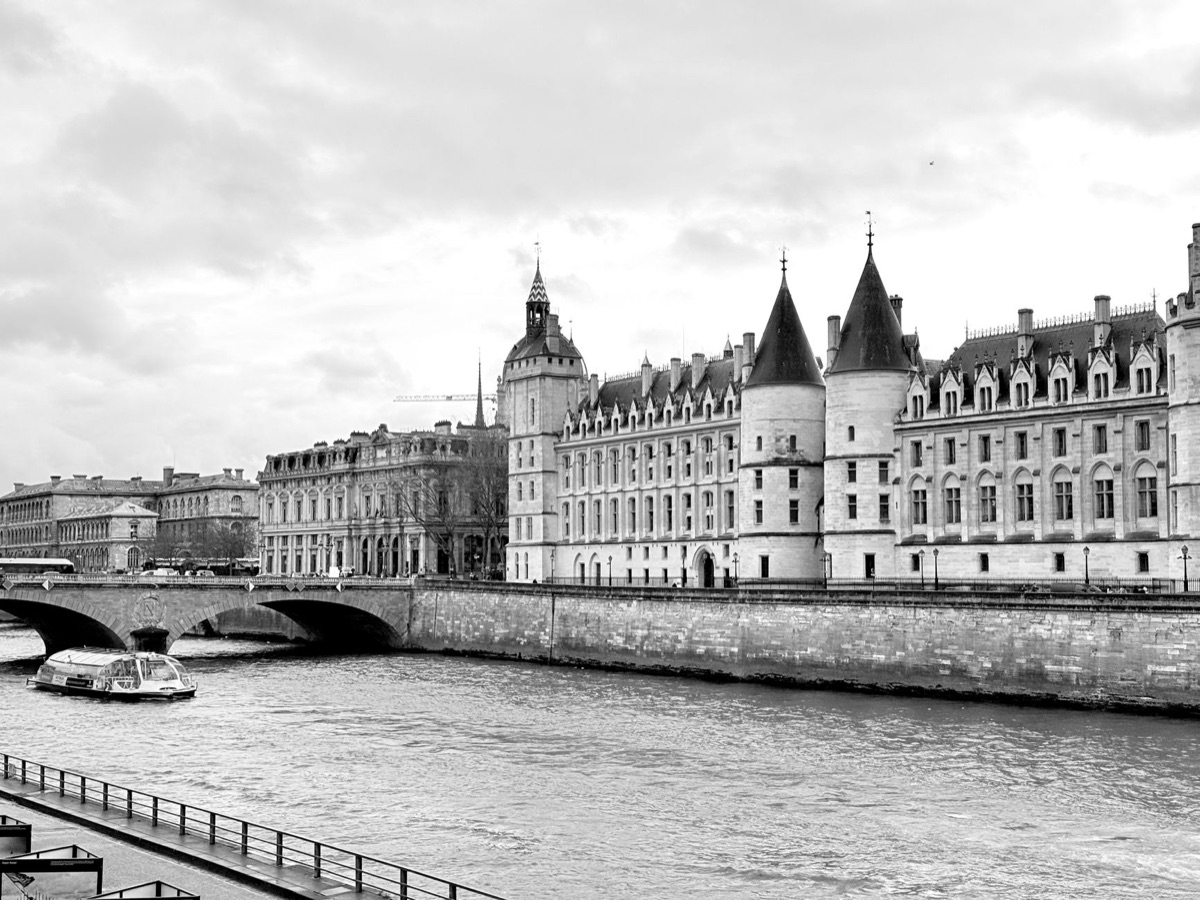
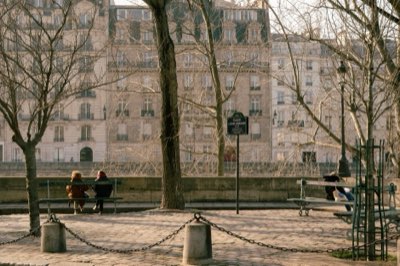
The sun hit the stone facade of the Institut de France, casting a long shadow across the water as the boat glided silently beneath the Pont des Arts. Standing on the crowded sidewalk of the Quai de la Tournelle, the city feels vertical, overwhelming, and sometimes claustrophobic.
According to World Bank, France recorded international tourist arrivals of 117,109,000 in 2020.
But once you step onto the deck of a boat, the scale of Paris shifts entirely. The river is the beating artery of the city, serving as the foundation upon which the French capital was built.
While the streets of the 1st through 4th arrondissements can feel like a labyrinth of narrow alleys and grand boulevards, the river offers a linear, organized way to view the city's evolution.
It provides a sense of the sheer scale of the metropolitan area, which holds a population of 13.2 million as of January 2026.
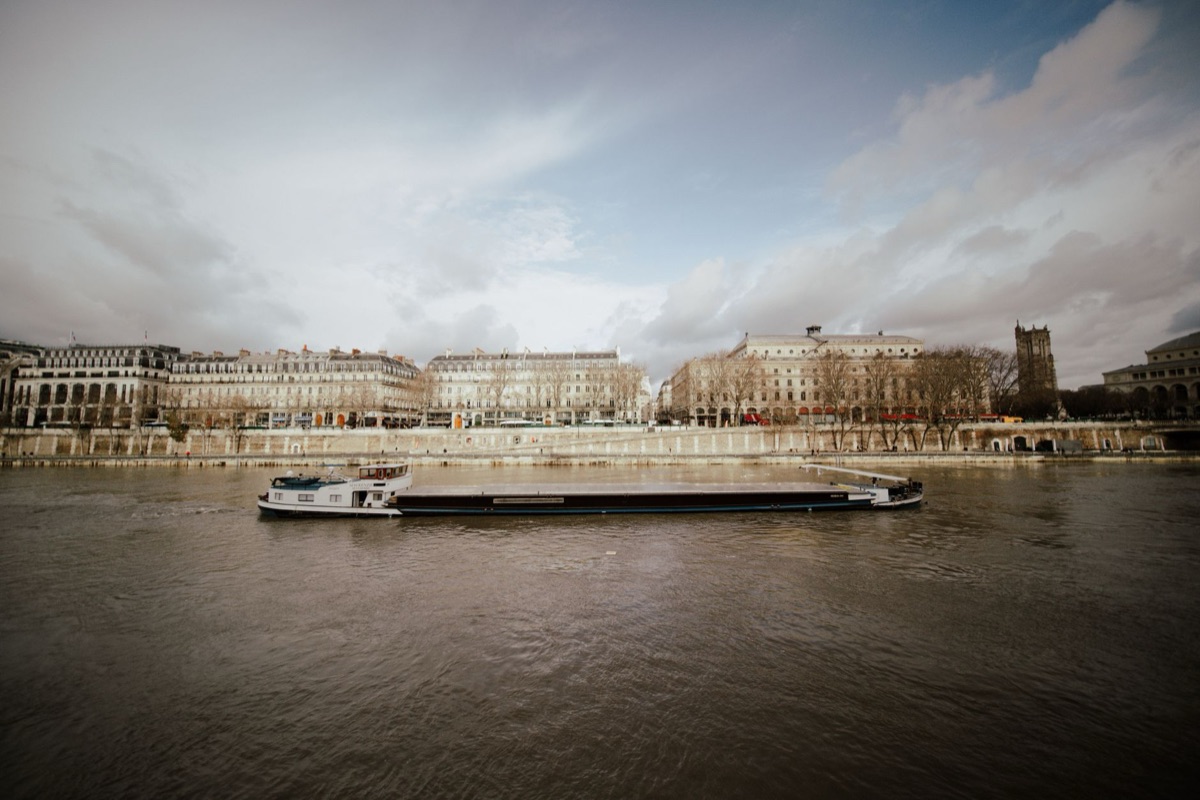
Viewing the city from the water allows you to see how the architecture interacts with the topography of the riverbanks. You can trace the transition from the medieval roots of the Île de la Cité to the grand, Haussmann-era expansions that define the modern skyline.
It is a way to digest centuries of urban planning in a single, fluid motion. For a sense of scale, remember that the river's journey through the heart of Paris is just one segment of its long path toward the English Channel (La Manche), which lies about 233 miles downstream.
In the city, however, the river is the constant witness to every major era of French history.
But how do you choose the right moment to step aboard?
Choosing Your Perfect Moment: Day vs. Night vs. Transition
A thick fog rolled off the water at 6:00 AM, obscuring the base of the Eiffel Tower and making the stone bridges look like ghosts emerging from the mist.
I sat on a wooden bench at the dock, watching the first light of dawn struggle to penetrate the gray haze, wondering if the day would ever truly brighten.
Deciding when to sail is the most important strategic choice you will make. The timing dictates whether you are there for a history lesson or a romantic dream.
Daytime Cruises A morning or early afternoon cruise is best for those who want to study the details. In the bright light of day, you can clearly see the intricate carvings on the bridges, the textures of the limestone, and the specific masonry of the museums.
It is the perfect time to understand the layout of the city and how the different districts connect via the water.
Sunset and the Golden Hour The transition from day to night is arguably the most beautiful moment on the river. As the sun begins to dip, the "Golden Hour" bathes the stone buildings in a warm, amber glow. This is the time for photography and emotional connection.
You watch the city transition from its functional, daytime self into its more mysterious, nocturnal identity.
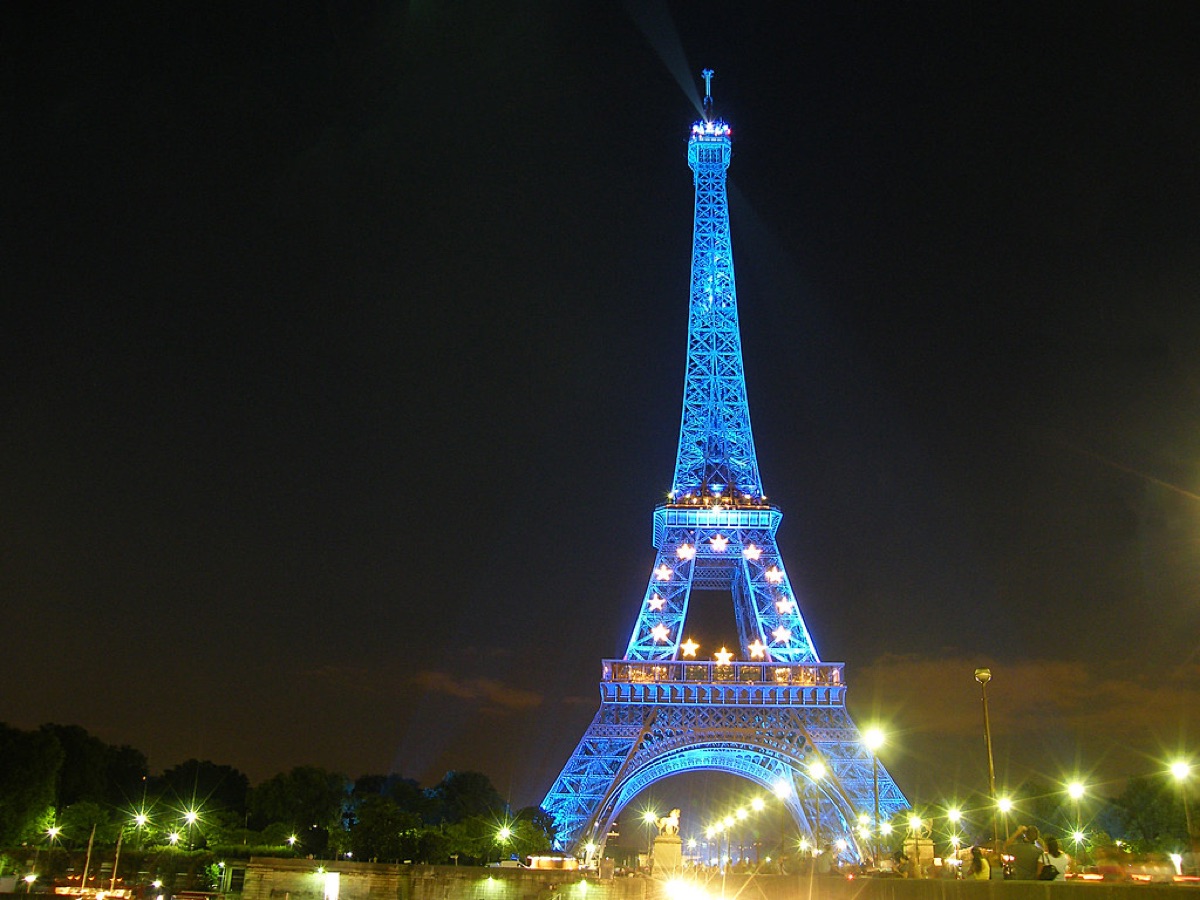
Night Cruises (The Spectacle) When the sun disappears, the city undergoes a transformation. Night cruises are designed for the spectacle of illumination. The monuments are lit, the bridges glow, and the reflection of the lights on the dark water creates a shimmering, magical atmosphere.
This is the quintessential "Parisian" experience, though it is often the most crowded.
When making your choice, consider the duration of your visit. A daytime cruise is a great way to orient yourself during a multi-day trip, while a night cruise is a perfect celebratory finale. However, there is a logistical side to this beauty that most travelers overlook.
Navigating the City's Icons from the Water
The boat rounded a bend, and suddenly the massive, pointed towers of Notre Dame rose directly in front of us, looking much more imposing against the open sky than they did from the street level. It felt as though we were seeing the cathedral for the very first time.
Certain views of Paris are only truly impactful from the water. While you can see the Eiffel Tower from many streets, seeing it rise from the level of the river provides a sense of its sheer height and structural elegance that is often lost when you are standing at its base.
Key Landmarks and Perspectives * The Île de la Cité: The heart of the city is best understood by circling its islands, allowing you to see the relationship between the Palais de Justice and the river.
* The Bridges: Each bridge, from the ornate Pont Alexandre III to the historic Pont Neuf, tells a different story of French engineering and aesthetic eras.
* The Quays: From the water, you can observe the life happening on the docks and the way the stone embankments have shaped the city's boundaries for centuries.
The cruise allows you to bypass the visual noise of traffic and pedestrians. You can focus on the architectural deep dive—observing the transition from Gothic to Renaissance to Neoclassical styles—without the distraction of the bustling streets.
It provides a macro view of the city's grand design that is impossible to achieve on foot.
But how do you actually manage the logistics without losing your mind?
Practicalities of the Voyage: Booking and Logistics
I stood in a long queue at the ticket booth, checking my watch and feeling the weight of the heavy tourist crowds pressing in from all sides. I realized then that the people who had already boarded were much more relaxed, having avoided this exact moment of indegretion.
To avoid the frustration of long lines, you must decide between spontaneity and advance planning. In a city where museum entries and high-end dining often require reservations, the same logic applies to popular cruise lines.
Booking Strategy If you are looking for a specific, high-end experience—such as a dinner cruise or a specialized historical tour—you should book well in advance.
For standard sightseeing cruises, you can often buy tickets on the day, but arriving during off-peak hours (mid-morning or late afternoon) will yield a much better experience.
Selecting Your Vessel Not all cruises are created equal. Some are large, glass-enclosed boats designed for mass tourism, while others are smaller, more intimate vessels that can navigate tighter turns and offer a more personal feel.
Consider the following: * Commentary: Do you want a guided historical tour or just a quiet ride? * Vessel Type: Open-air decks are great for photography, while enclosed boats are better for weather protection.
* Route: Some cruises focus on the central landmarks, while others take you further out toward the outskirts.
Pre-Cruise Checklist 1. Layered Clothing: Even in summer, the temperature on the water can be significantly cooler than on the streets due to the breeze. 2. Binoculars: A small pair of binoculars can help you catch the fine details of distant monuments. 3.
Camera Readiness: Ensure your battery is full and you have enough storage space, as you will likely take more photos than you anticipated.
Once you have your tickets and your gear, you need to know how to fit this into your actual travel plan.
Integrating the Seine into Your Itinerary
We sat at a small bistro table in the Marais, the smell of fresh bread lingering in the air, as we planned our next move. The map was spread out between us, but the river was already marked as our primary guide for the following day.
A cruise should not be an isolated event; it should be a cohesive part of your travel strategy. It can serve as a way to transition between different parts of your trip.
Structuring Your Itinerary * The Orientation Phase: Use a daytime cruise during your first 48 hours in the city. It helps you visualize the geography of the various arrondissements and provides a mental map for your walking tours.
* The Deep Dive: Pair a daytime cruise with a visit to a specific museum. For example, after spending hours in the Louvre, a river cruise can provide a much-needed visual break while still keeping you in the heart of the action.
* The Grand Finale: Save the night cruise for your final evening. It acts as a beautiful, celebratory way to reflect on the city before you depart.
The "Reset Button" Strategy Walking through Paris can be physically and mentally exhausting. The sheer density of history and the constant movement of the city can lead to "museum fatigue."
A cruise acts as a perfect "reset button." It allows you to see the sights without the physical strain of walking, giving you a moment of quiet observation to recharge before your next intensive sightseeing day.
| Feature | Daytime Cruise | Night Cruise |
|---|---|---|
| Primary Focus | Architecture & History | Atmosphere & Lights |
| Best For | Photography & Learning | Romance & Spectacle |
| Crowd Level | Moderate | High |
| Visual Vibe | Clear, detailed, bright | Dramatic, glowing, moody |
#


Comments 0