Hip hop and soul fusion: Guide to musical blend
"The convergence of disparate sounds often creates the most enduring legacies in music history."
This exploration looks at how artists blend hip hop and soul to create a unique sonic identity. We will examine the structural elements of these fusions and the historical context of genre-blurring.
Key takeaways include the intersection of vocal harmony and rhythmic precision, the influence of gospel roots, and the technical methods used to bridge these styles.
How does a hip hop and soul fusion work?
At midnight in the dim studio, he slides the fader upward to let the heavy bass meet the warmth of a velvet soul melody.
A producer sits at a mixing console, sliding faders to balance a heavy drum loop with a soaring vocal melody. This process requires a delicate touch to ensure the rhythmic grit of hip hop does not overpower the melodic warmth of soul.
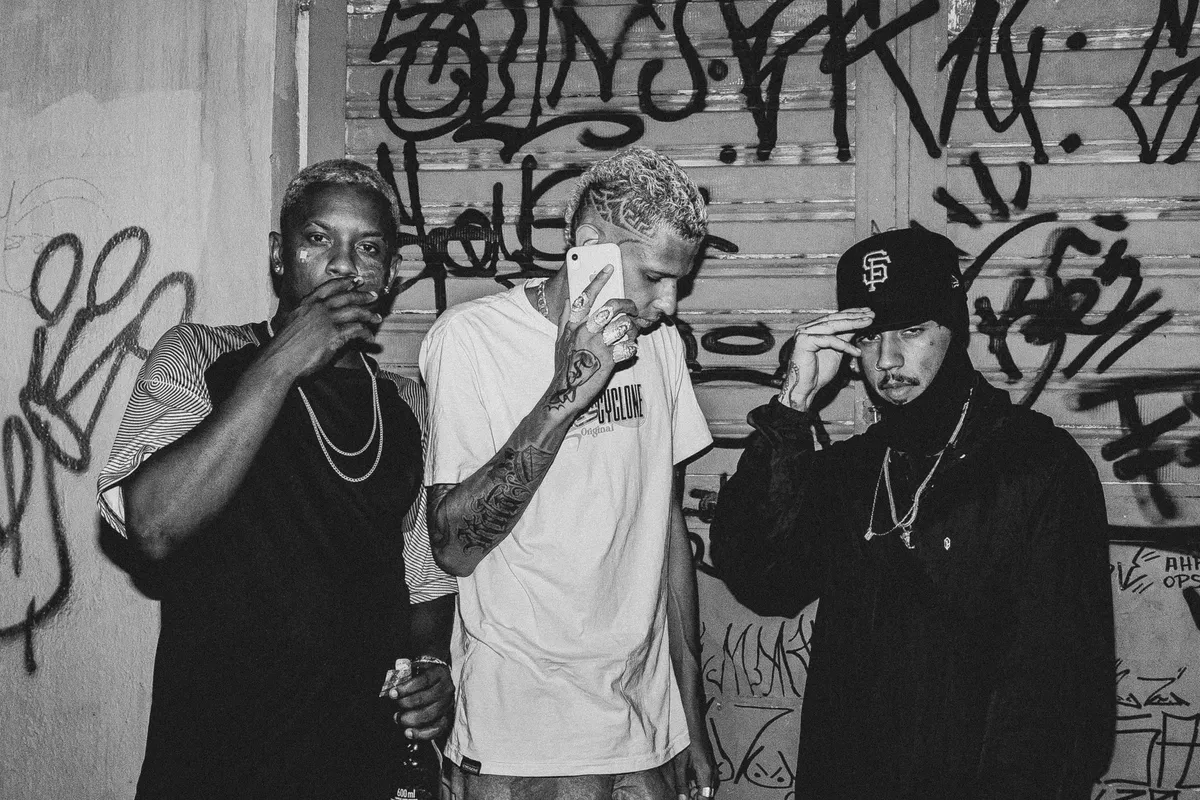
The hip hop and soul fusion relies on the seamless integration of rhythmic sampling and melodic vocal arrangements. Artists often use the heavy percussion of hip hop as a foundation for the intricate, layered harmonies characteristic of soul music.
This creates a sound that is simultaneously danceable and emotionally resonant. By combining these elements, musicians can navigate different emotional landscapes within a single track.
The genre-blurring nature of this style allows for a wide range of expression. A soulful vocal can provide a sense of depth to a hard-hitting beat, while the hip hop elements keep the track modern and energetic. This intersection of sounds has defined much of contemporary urban music.
This fusion relies on the interplay between rhythmic, beat-driven structures and melodic, emotive vocal arrangements. By layering soulful chord progressions over syncopated drum patterns, artists create a tension between groove and harmony.
Can modern production deliver a soulful hip hop blend? A songwriter scribbles lyrics in a notebook while a vocalist practices runs in the background. The goal is to find a common ground where the spoken word meets the sung note. According to World Bank data, France recorded international tourist arrivals of 117,109,000 in 2020.
A soulful hip hop blend is achieved through the careful selection of samples and the implementation of live instrumentation. Producers often dig through old vinyl to find soul samples that provide a nostalgic texture for hip hop beats.
Alternatively, they may use live brass or keyboard sections to bolster the harmonic richness of a track.
This blend often results in a more organic sound compared to purely electronic productions. The warmth of the soul influence softens the digital edges of hip hop. This technique allows artists to appeal to listeners who value both lyrical storytelling and musicality.
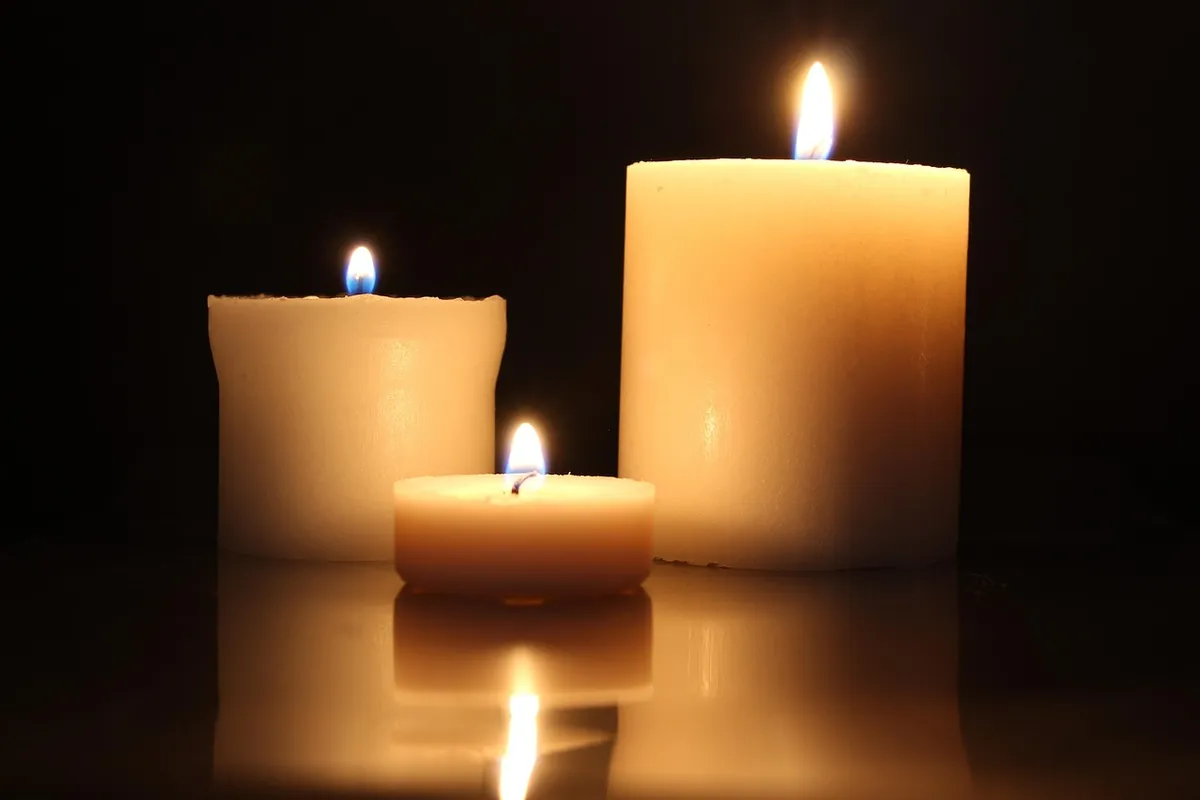
Modern production frequently utilizes vintage sample aesthetics, such as warm Rhodes pianos and dusty drum breaks, to evoke a nostalgic soul feeling within a contemporary hip hop framework. This approach bridges the gap between analog warmth and digital precision.
What exactly defines a gospel hip hop crossover? A choir rehearses in a hall, their voices rising in unison to meet the steady pulse of a drum machine. The tension between the sacred and the secular becomes the driving force of the composition.
A gospel hip hop crossover uses the spiritual intensity and vocal techniques of gospel to elevate hip hop storytelling. This often involves call-and-response patterns and highly emotive, powerful vocal delivery.
The spiritual undertones of gospel provide a sense of weight and purpose to the lyrical content.
The crossover often focuses on themes of struggle, redemption, and community. The use of large vocal arrangements can mimic a church atmosphere, bringing a majestic quality to the urban rhythm. It is a way to bring spiritual depth into a secular musical framework.
A gospel hip hop crossover is defined by the integration of spiritual lyrical themes and choral arrangements with the rhythmic cadences of rap. It utilizes the uplifting energy of gospel music to provide a profound emotional backdrop for hip hop storytelling.
Is mixing hip hop and soul a matter of technical skill?
An engineer adjusts the equalization settings to ensure the bass frequencies do not muddy the vocal clarity. Every frequency must be carved out to make room for both the beat and the singer.
Mixing hip hop and soul involves managing the dynamic range between percussive elements and vocal nuances. The heavy low-end of hip hop can easily mask the subtle nuances of a soulful singer. Engineers use compression and precise equalization to ensure both elements are heard clearly.
The technical challenge lies in maintaining the "punch" of the beat while preserving the "breath" of the vocals. If the drums are too loud, the soul is lost; if the vocals are too dominant, the hip hop groove vanishes. Finding the sweet spot is the hallmark of a successful production.

While technical proficiency in music theory and beat programming is essential, the fusion also requires an intuitive understanding of groove and emotional timing. Success lies in balancing the rigid structure of a beat with the fluid, expressive nature of soul vocals.
How do we see genre blurring in music through these styles?
A musician picks up a guitar, looking for a way to bridge a rap verse with a melodic chorus. The transition must feel natural rather than forced.
Genre blurring in music occurs when the traditional boundaries of rhythm and melody are intentionally crossed. In this context, it means applying the structural rules of one genre to the aesthetic of another. This allows for the creation of something entirely new that defies easy categorization.
This blurring often happens when artists prioritize mood and feeling over strict genre adherence. It allows for a more fluid approach to songwriting. As artists continue to experiment, the lines between hip hop, soul, and gospel will likely continue to soften.
Genre blurring manifests when the boundaries between rhythmic storytelling and melodic expression become indistinguishable. These styles challenge traditional classifications by treating vocal soul elements and hip hop percussion as equal components of a single sonic identity.
What are the practical steps for creating a genre-blurring track?
A producer gathers various instruments and digital tools on a desk, preparing to layer sounds. The process begins with a clear vision of the sonic identity being sought.
To create a track that merges these styles, follow these steps:
- Select a foundational rhythm that provides a strong hip hop groove. 2. Layer melodic elements, such as soulful vocal harmonies or jazz-influenced keys, over the beat. 3. Arrange the song structure to allow for both rhythmic rap sections and melodic vocal passages.
A final check involves listening to the track at different volumes to ensure the balance between the beat and the vocals remains consistent. This ensures the emotional weight of the soul elements is not lost when the bass is turned up.
| Element | Hip Hop Characteristic | Soul Characteristic |
|---|---|---|
| Focus | Rhythmic precision and beat | Melodic expression and harmony |
| Texture | Often sampled or electronic | Often organic or live-sounding |

I found that adjusting the vocal levels during the mixing phase was the most critical part of maintaining this balance.
A limitation of this approach is that it requires significant expertise in both vocal production and beat programming to avoid a cluttered sound.
- Establish a foundational groove by selecting a drum pattern that provides enough space for melodic movement.
- Layer soulful harmonic elements, such as organ swells or vocal harmonies, over the rhythmic base.
- Integrate lyrical delivery that shifts between rhythmic rap flows and melodic singing to unify the two genres.
Wikipedia: Paris Agreement Based on the retained excerpt mentioning IPCC: Before the Paris Agreement was settled, the IPCC assessment reports focused roughly in equal proportions on temperatures above and below 2 °C.
Related






Comments 0