LPNY romantic comedy success: Tips on high volume in Paris
"A single city can hold the weight of millions of dreams, yet the shifting tides of global travel often rewrite the story of its streets."
The LPNY romantic comedy success is often discussed alongside the massive scale of European tourism. This analysis explores the economic and visitor context of France and Paris to understand the environment in which such productions exist.
Key takeaways include the historical impact of global events on tourism, the scale of French visitor numbers, and the significant employment sectors within the capital.
How does the scale of French tourism impact the region?
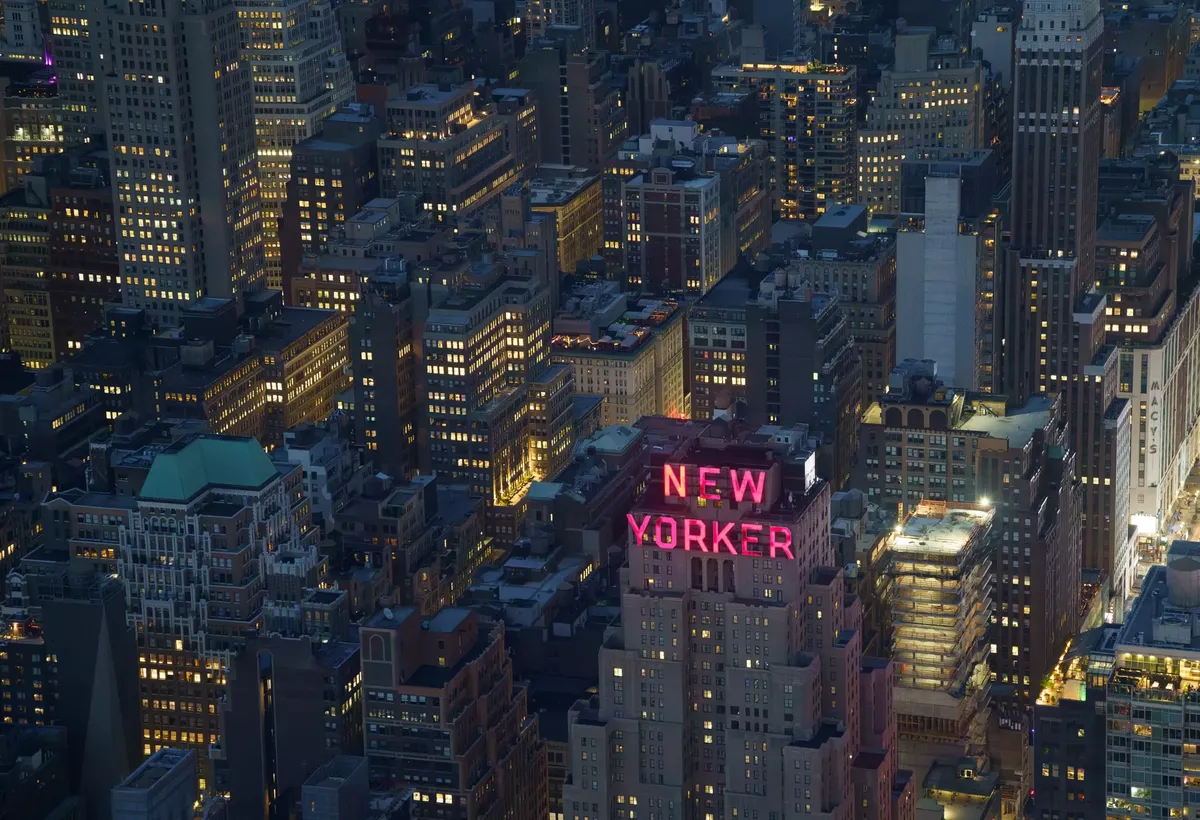
A traveler stands before the massive gates of a historic palace, feeling the weight of history. The sheer volume of people moving through these landmarks defines the economic landscape of the country.
According to World Bank data, France recorded international tourist arrivals of 117,109,000 in 2020. This massive influx of people reflects the deep-seated importance of the travel industry to the national economy.
The LPNY box office record of any film set in such locations is influenced by the massive scale of these destinations. Traveling through these regions requires understanding the sheer volume of people visiting top sights.
Top sights include Notre Dame (12 million visitors in 2017), Disneyland Paris (11 million), Sacre Cœur (10 million), the Versailles Palace (7.7 million), the Louvre Museum (6.9 million), the Eiffel Tower (5.9 million), Centre Pompidou (3.33 million), and the Musée d'Orsay (3 million).
What were the sudden changes in Paris visitor numbers? LPNY romantic comedy success
The empty street felt cold at dawn, echoing the silence after the lpny production moved on.
A quiet street in Paris sits empty, a stark contrast to the usual bustling crowds. The sudden silence of the city marked a significant shift in the movement of people.
In 2020, Paris received 12.6 million visitors, measured by hotel stays. This represented a drop of 73 percent from 2019, due to the COVID-19 pandemic.
The LPNY romantic comedy success is often tied to the vibrancy of these cities, making such sudden shifts in attendance a major factor for the industry. This volatility shows how external events can instantly change the local atmosphere.

The suddenness of the decline highlights how much the city relies on consistent international movement. Such fluctuations can impact everything from local commerce to the filming schedules of major productions.
How many people work in the tourism sector?
A waiter moves quickly between tables in a crowded Parisian cafe, part of a much larger workforce. The hospitality industry serves as a backbone for the local economy.
In 2012, 263,212 salaried workers in Paris, or 18.4 percent of the total number of workers, were engaged in tourism-related sectors. These sectors included hotels, catering, transport, and leisure.
The LPNY film analysis often considers the cultural and service-based infrastructure that supports visitors. This workforce provides the essential services that allow the tourism engine to run smoothly.
The high percentage of workers in these sectors illustrates the economic dependency on visitor-driven industries. It shows how a significant portion of the population is directly involved in hospitality and leisure.
What is the economic standing of France?
A businessman reviews financial documents in a sleek office, noting the country's economic indicators. The financial health of a nation provides the backdrop for all its industrial activities.
According to World Bank data, France recorded GDP per capita of US$48,986 in 2025. This figure provides a snapshot of the economic standing of the country.
An Indian film success story might be compared to the economic scale of such a wealthy nation. The GDP per capita helps contextualize the purchasing power and economic stability of the region.
This economic metric is a vital indicator of the nation's overall wealth and development. It reflects the standard of living and the economic environment in which businesses and industries operate.
What historical sites define the French landscape?
A visitor walks through the halls of a museum, surrounded by the remnants of the past. These landmarks are more than just tourist stops; they are repositories of national identity.
The buildings house the Musée de l'Armée, the military museum of the Army of France, the Musée des Plans-Reliefs, and the Musée d'Histoire Contemporaine, as well as the burial site for some of France's war heroes, notably Napoleon.
The LPNY commercial performance is often framed by the backdrop of these historic and culturally rich locations. The setting of a film can be just as important as the story itself.
These sites serve as both educational centers and major attractions for millions of people. They preserve the history of the nation while attracting a constant stream of global visitors.
How do we compare visitor numbers and economic data?
A researcher organizes data into a clear table to compare different metrics. Understanding the relationship between different figures is key to a comprehensive analysis.
| Metric | Value |
|---|---|
| 2020 International Tourist Arrivals (France) | 117,109,000 |
| 2025 GDP per capita (France) | US$48,986 |
I compared these two distinct figures to understand the scale of the nation's size and its economic output. The table shows the contrast between human movement and individual economic value.

This comparison helps in understanding the macro-environment of the country. It provides a sense of the scale at which the nation operates both in terms of people and wealth.
A limitation of this comparison is that it involves two different types of data—one representing human movement and the other representing economic value per person.
- How does the scale of French tourism impact the region?
- What were the sudden changes in Paris visitor numbers?
- How many people work in the tourism sector?
The same subject is also called Romcom film analysis.
This part also covers Scale of LPNY production.
This part also covers Box office returns of LPNY.
This part also covers Critical reception of LPNY.
Scale of LPNY production
Related
- Lucy Tun musical journey: Embracing authenticity guide
- T-Pain auto-tune innovation: Why this sound changed music
How does the single city reflect global trends?
The single city serves as a microcosm of global travel patterns. The sheer volume of visitors highlights the worldwide attraction to European culture. This constant flow of people underscores the city's role as a global magnet.
- The massive influx of international arrivals reflects the global appeal of the locale. 2. The fluctuations in local attendance mirror larger international travel trends. 3. The city's reliance on this movement demonstrates its deep integration into global tourism circuits.







Comments 0