7 Signs of Quality: Navigating Paris's Bread Scene
"A great baguette is not just a meal; it is a morning ritual that defines the rhythm of a Parisian street."
Finding the perfect bakery in Paris is often more difficult than finding a museum. You might walk past a gold-leafed shop in the 1st Arrondissement only to realize the bread is hollow, or stumble into a tiny hole-in-the-wall in the 11th that holds the best sourdough of your life.
* Distinguish between a *Boulangerie* (bread-focused) and a *Pâtisserie* (pastry-focused) to meet your specific hunger. * Look for local regulars and specific crust textures rather than flashy storefronts to find authentic quality. * Time your visits to the morning rush for fresh bakes or late afternoon for seasonal specialties.
Why Does Finding the "Best" Bakery in Paris Feel So Complicated?
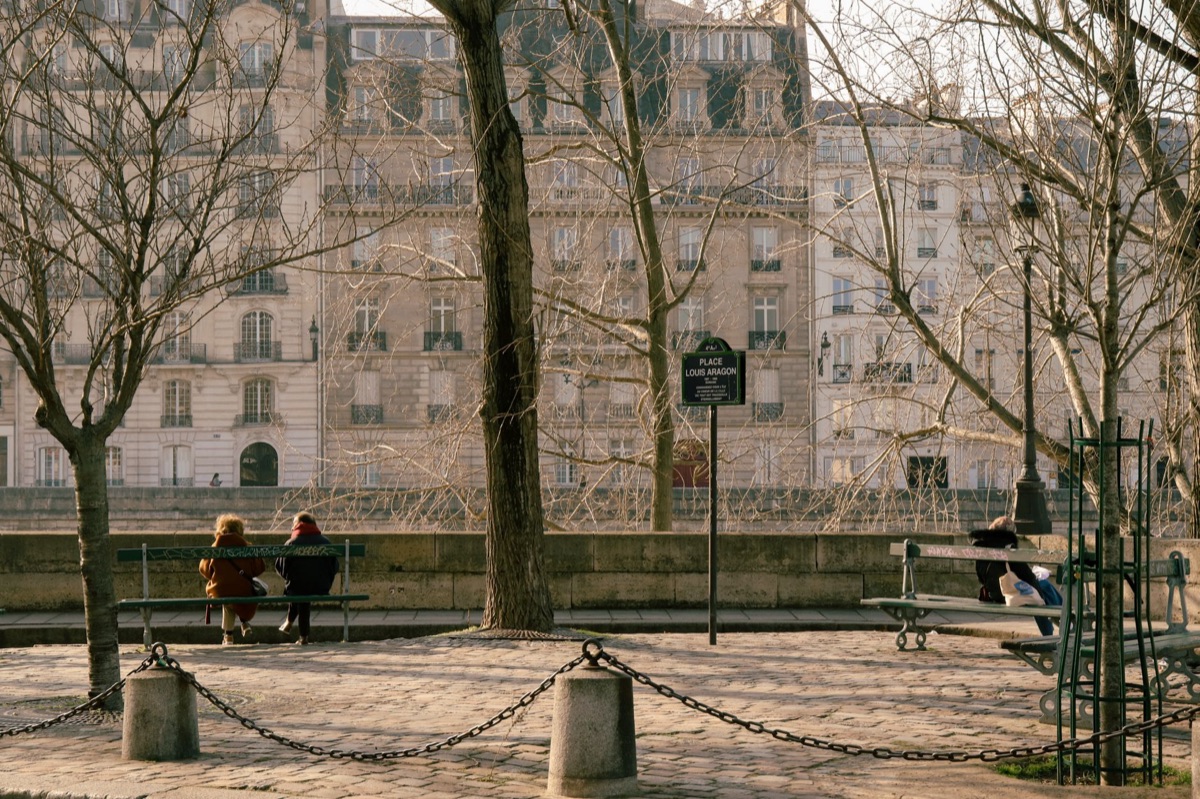
The sun hits the cobblestones of the Marais at 7:30 AM, and the smell of yeast begins to drift from a side street. You stand at a crossroads, looking at a shop with a massive line of tourists and another tiny window where a local resident is nodding to the baker.
The complexity arises because Parisian baking exists on a massive spectrum. On one end, you have the neighborhood staple—the place where you grab a daily baguette to walk home. On the other, you have Michelin-level pastry shops where the treats are treated like fine jewelry.
Understanding the cultural divide is your first step to success. A *Boulangerie* is primarily a bread shop; if you want a crusty loaf for dinner, this is your destination. A *Pâtisserie* focuses on delicate sweets, tarts, and cakes.
While many shops do both, a true specialist often does one thing better than the other.
Modern Parisians also balance these needs differently. A local might visit a *Boulangerie* every single morning for a simple roll but save the high-end *Pâtisserie* for a Sunday afternoon indulgence.
If you walk into a shop and see everyone buying large loaves of sourdough, you are likely in a craft-focused bakery. If the display is mostly colorful macarons, you are in a dessert house.
Don't judge a shop by its gold-trimmed windows alone. A flashy storefront often targets tourists, while the best bread often comes from shops that look almost nondescript from the street.
Beyond the Tourist Trail: How to Vet a Parisian Bakery
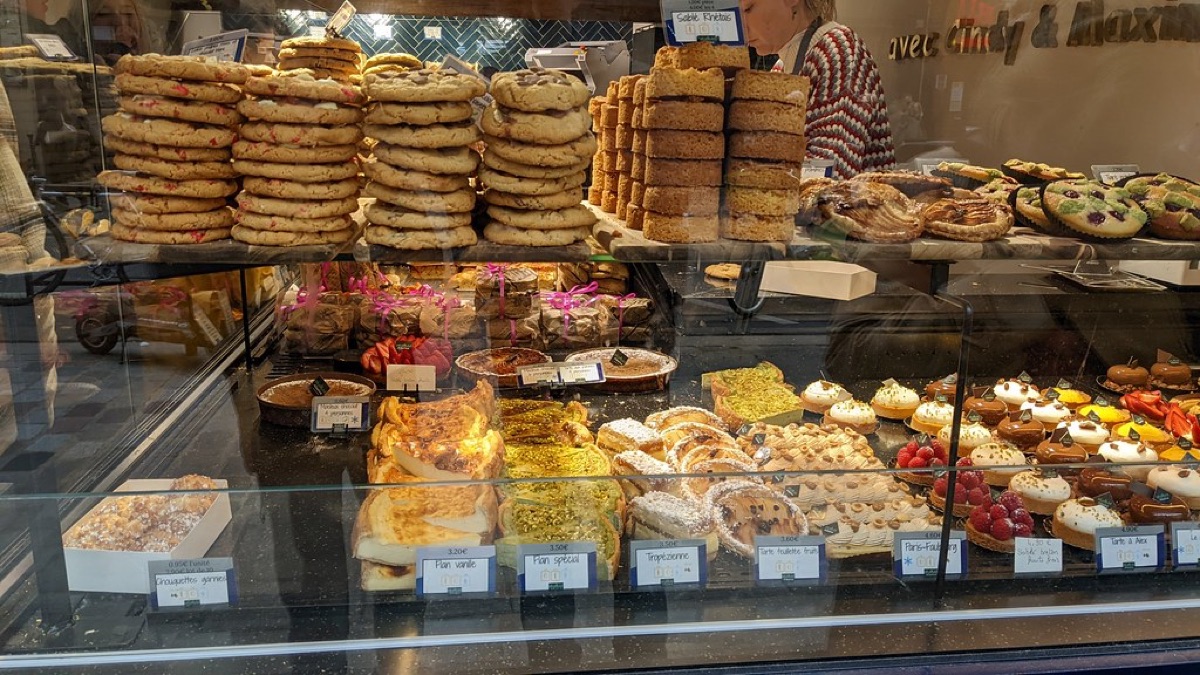
You step through a heavy wooden door, and the bell rings sharply. The air is thick with the scent of toasted grain and sugar, and you find yourself staring at a wall of golden-brown loaves.
To vet a bakery, start with the smell test. A quality bakery should smell intensely of fermented dough, yeast, and caramelized crust. If the air smells overly of artificial vanilla or heavy preservatives, the bread is likely mass-produced.
Next, perform a visual scan of the products. Look at the crust color; it should be deep gold or even slightly dark in artisanal shops, indicating a well-developed flavor. Check the "crumb"—the internal structure of the bread.
A good sourdough should have irregular holes, showing that the dough was fermented properly. If every loaf looks identical and perfectly smooth, it might be industrial.
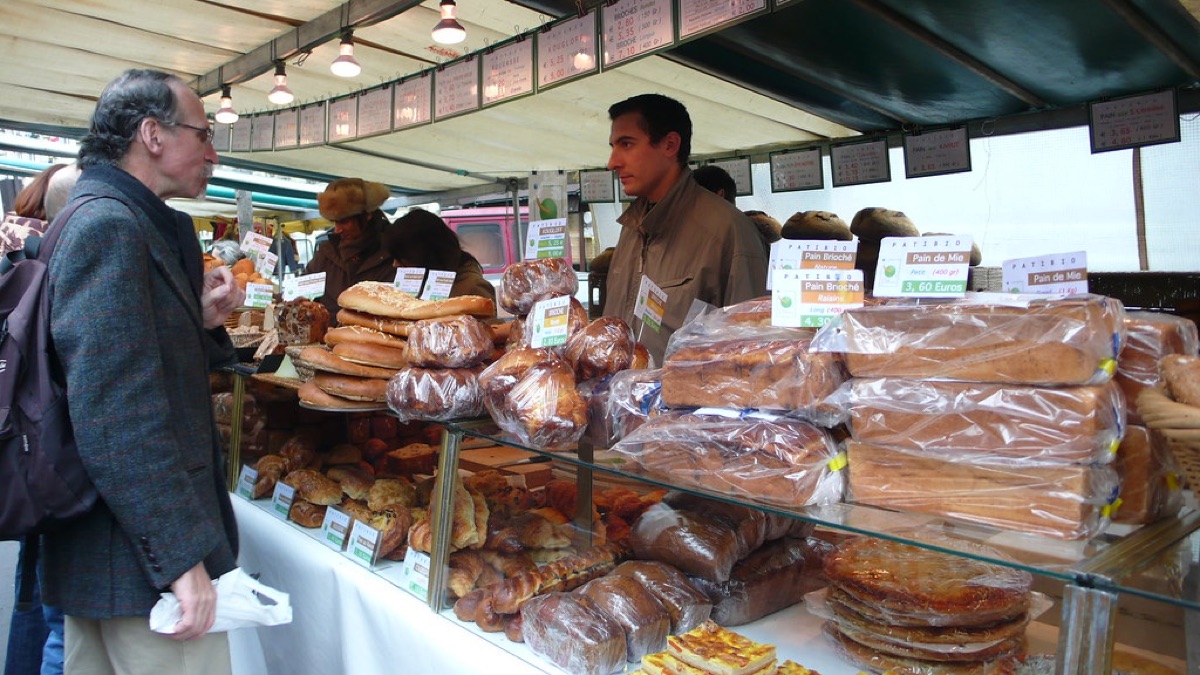
The local pulse check is your most reliable tool. Observe the clientele. Are there elderly neighbors coming in every morning? Are there busy professionals grabbing a quick baguette? If the shop is filled entirely with people holding maps and cameras, you are likely in a tourist trap.
Finally, consider the price versus quality balance. Artisan bread is more expensive than supermarket bread because of the labor and time involved in fermentation. If a "traditional" baguette is suspiciously cheap, it likely uses additives to speed up the process.
Must-Try Bread & Pastry Profiles: What to Order Based on Your Visit
You sit at a small marble table, a single croissant on a white plate in front of you. The steam rises from your coffee, and you realize you need a plan for the rest of your trip.
The essentials are the non-negotiable trinity of Parisian life. First is the *Baguette Tradition*; unlike a standard baguette, this is made with specific flour and traditional methods, resulting in a better crust and flavor.
Second is *Pain de Campagne*, a hearty country bread often made with a mix of flours. Third is the classic *Croissant*, which should be flaky, buttery, and hollow in the center.
For weekend indulgences, look for seasonal specialties. Depending on the time of year, you might find fruit tarts made with local berries or specific regional breads that change with the harvest. These are the items worth a dedicated trip to a specific neighborhood.
If you have a sweet tooth, you must navigate the "sweet spot." Compare a *financier*—a small, almond-based cake—to a *pain au chocolat*. While both are delicious, the former is a delicate pastry delight, while the latter is a breakfast staple.
For something more complex, look for *entremets*, which are multi-layered mousse cakes.
Deciding when to splurge is a matter of strategy. If you are on a budget, stick to the high-quality essentials like a great baguette or a simple croissant. Save your "splurge" budget for a single, masterpiece-level pastry from a renowned pâtisserie.
Top Tier Recommendations: Where to Go Based on Your Goal
The morning light filters through a window in the 6th Arrondissement, illuminating a tray of freshly baked éclairs. You have three different directions you could go, each offering a completely different experience.
If you want the daily ritual—the local vibe—head to a neighborhood bakery in the 11th or 20th Arrondissement. These areas are less touristy and offer consistent, high-quality bread that locals rely on. You will feel like part of the neighborhood rhythm.
For a photographic moment, look for highly-regarded shops in central areas like Saint-Germain-des-Prés. These shops often have beautiful, classic interiors and stunningly presented pastries that look like art. They are perfect for a special morning when you want to soak in the Parisian atmosphere.
For the ultimate indulgence, you must seek out a high-artistry pâtisserie. These are often located in more upscale districts and require a bit of travel. The pastries here are often seasonal, highly technical, and designed to be a sensory masterpiece.
If you are in Paris for a week, try this sequence: start your first few days with neighborhood *Boulangeries* to learn the local standards. Mid-week, visit a famous central shop for a "landmark" pastry.
End your trip with a dedicated pilgrimage to a top-tier luxury pâtisserie for a final, unforgettable indulgence.
| Goal | Type of Shop | Primary Focus | Best For |
|---|---|---|---|
| Daily Bread | Neighborhood Boulangerie | Fresh, crusty loaves | Breakfast & Dinner |
| Iconic Visit | Central Pâtisserie | Visual beauty & classic flavors | Sightseeing breaks |
| Ultimate Splurge | Artisan Master-Shop | High-concept, seasonal art | Special occasions |
Beyond the Bake Sale: Pairing Your Visit
You walk out of the bakery with a warm paper bag tucked under your arm. The street is bustling, and you have to decide whether to eat now or save it for later.
The perfect pairing depends on the time of day. In the morning, a strong café au lait is the traditional companion for a croissant. In the afternoon, a delicate tea might suit a lighter pastry better.
For a more sophisticated evening, a local wine or a sharp cider can pair beautifully with hearty country breads.
The setting also changes the experience. Eating a croissant standing up at a zinc bar is a classic Parisian moment of efficiency. Sitting at a sidewalk terrace is for when you want to linger and observe the city.
Timing is everything. The morning rush is when the bread is freshest and the energy is highest. The mid-afternoon "goûter" (snack time) is when you can find specific sweet treats that are perfect for a pick-me-up.
Finally, remember the "after-visit" ritual. A great loaf of bread is often better when paired with a wedge of local cheese or some cured meats during a casual picnic by the Seine. #






Comments 0