Paris Metro Guide: Choosing Passes & Escaping Pickpockets
"The labyrinth of the Paris Metro shouldn't be a gamble." Choosing the right pass and staying vigilant can mean the difference between a seamless adventure and a costly, stressful week in the City of Light.
* Deciding between a Navigo pass and single tickets depends entirely on your arrival day and how many zones you plan to visit. * The Museum Pass is a strategic tool for high-frequency sightseeing, but it does not bypass the need for timed-entry reservations at major sites. * Situational awareness and physical security are your primary defenses against the crowded transit environment.
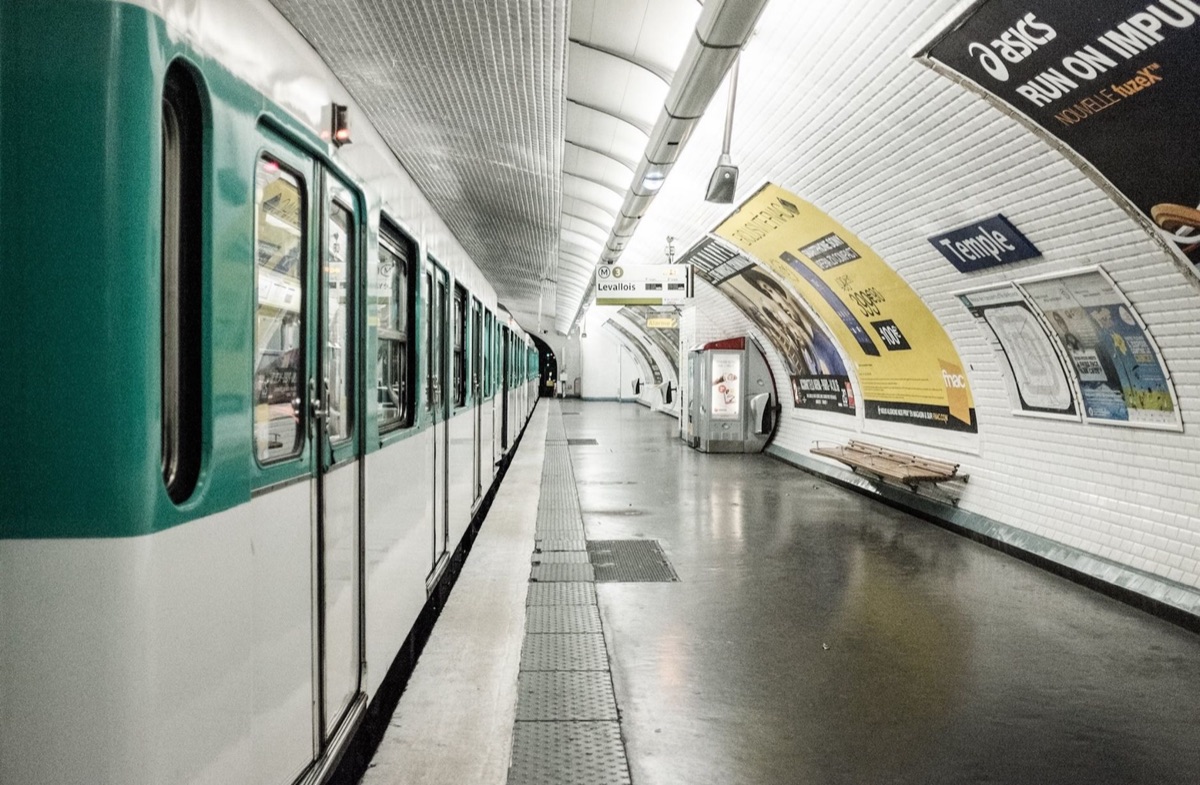
Metro Pass vs. Ticket: Which Pass Truly Fits Your Parisian Adventure?
Standing on the platform at Châtelet–Les Halles at 8:30 AM, the sheer scale of the underground labyrinth feels overwhelming as commuters rush past in a blur of trench coats and leather bags. You hold a single paper ticket in your hand, wondering if you should have bought a week-long pass instead.
Deciding between a Navigo pass and individual tickets is the first major hurdle of any Parisian trip. The choice depends entirely on how long you are staying and how much you plan to move through the city's zones.
In 2026, as transit technology shifts, understanding the distinction between the Navigo Easy and the Navigo Découverte is vital.
The Navigo Easy is a plastic card you can load with "carnets" (packs of ten single journeys), making it perfect for short stays of two or three days where you won't be traveling extensively.
In contrast, the Navigo Découverte is a weekly pass that offers unlimited travel across all zones, including the suburbs, but it is strictly valid from Monday to Sunday.
To determine your best value, follow this activity-dependent calculation:
- Assess your duration: If you arrive on a Tuesday in 2026 and stay for five days, a weekly Navigo might not be worth it because it expires on Sunday night. In this case, the Navigo Easy with loaded journeys is more economical.
- Check your zones: If you plan to visit Versailles or Disneyland, you will need to travel to Zone 4 or 5. A weekly Navigo covers these, whereas standard Metro tickets only cover central Paris.
- Calculate daily frequency: If you take more than four trips a day, a pass usually offsets the cost of individual tickets.
- Verify the "Monday Rule": Remember that the weekly Navigo is tied to the calendar week. It does not run from "arrival day to departure day."
When I tried this in a previous trip, I learned the hard way that a Tuesday arrival meant my weekly pass was essentially half-price for only four days of use. Your choice of pass directly impacts your ability to reach major museums efficiently.

Museum Pass: Is It Worth the Investment for Your Sightseeing Goals?
Walking through the grand entrance of the Musée d'Orsay, you see a mix of travelers: some are fumbling with paper tickets, while others breeze through dedicated lines. The question of whether the Paris Museum Pass is a smart investment often lingers in the air.
The Museum Pass is not a magic wand that grants free entry to everything; it is a strategic tool. It is essential if you are a "power sightseer" who plans to hit three or more major museums in a single day, such as the Louvre, the Pompidou Center, and the Arc de Triomphe.
However, if your itinerary involves long lunches at sidewalk cafes and leisurely strolls through the Jardin du Luxembourg, the pass might be an unnecessary expense. To maximize the value of a Museum Pass, you must practice strategic sequencing. Do not group museums by name; group them by geography.
For example, pair the Louvre with the Tuileries Garden and the Orangerie to minimize transit time.
Crucially, you must remember the pre-booking necessity. Even with a Museum Pass, major sites like the Louvre often require you to reserve a specific time slot in advance. A pass does not bypass the need for a timed entry.
If you fail to book your slot, you may find yourself standing in a long queue only to be denied entry, rendering your pass useless for that day. While the pass covers the heavy hitters, don't forget the beauty of the "unpaid" city.
Many of the most iconic experiences, like the architecture of the Palais Garnier or the view from the Sacré-Cœur, do not require a pass but provide the soul of your trip.
But how do you actually navigate the transit to get to these museums without getting lost in the maze?
Surviving the Rush Hour: Navigating the Metro Like a local
The doors of a Line 1 train hiss shut at Place de la Concorde, momentarily trapping you in a sea of silent, focused travelers. The transition from the quiet of a museum to the kinetic energy of the Metro can be jarring.
Mastering the map is the first step to confidence. The Paris Metro is radial, with lines branching out from the center. Familiarize yourself with the major transfer hubs like Gare du Nord, Châtelet, and Montparnasse, as these are where lines intersect.
When you tap your card or insert your ticket, you are engaging in the ticketing protocol. In Paris, you must validate your ticket or pass every single time you enter a station.
If you are caught without a validated ticket during a random inspection by transit officers, you will face an immediate fine. Keep your ticket or your Navigo card handy until you have fully exited the station at your destination.
During peak hours—typically between 8:00 AM to 10:00 AM and 5:00 PM to 7:30 PM—the trains can be incredibly crowded. In these moments, follow local etiquette: move toward the center of the carriage to make room for others, and always let passengers exit the train before you attempt to board.
If you are traveling with heavy luggage, try to avoid the central lines during these windows, as the density of the crowd can make maneuvering difficult. Staying organized in the crowd is the key to avoiding unnecessary stress.
However, staying organized is only half the battle when you are surrounded by strangers.

Safety First: Defending Against Pickpockets in Paris Transit
A sudden bump in a crowded corridor at Chielet can feel like a minor accident, but in a split second, your wallet might already be gone. In the tight confines of a Metro car, the line between a crowded commute and a target-rich environment is thin.
The high-risk zones are often the busiest transfer points and the late-night services. Pickpockets thrive on the "distraction technique." They might approach you with a sudden question, a spilled drink, or a fake petition to sign, using the chaos to lift valuables from your pockets or bags.
To defend yourself, adopt a strict personal security protocol: 1. Secure your belongings: Always wear your bag in front of you, preferably with zippers facing your body. 2. Minimize valuables: Do not carry large amounts of cash or expensive jewelry on the Metro. 3.
Keep your passport secure: Keep your passport in a secure, internal pocket. 4. Maintain situational awareness: Do not get lost in your smartphone. A person looking down at a screen is an easy target. 5.
The "Hands-On" Rule: In crowded cars, keep your hands on your bag to feel any unauthorized contact.
If you do become a victim, do not panic. Locate a transit officer or head to the nearest police station (Commissariat) to file a report. This is essential for insurance purposes and to document the theft. Staying safe is about being proactive rather than reactive.
But what happens when you need to leave the city center entirely?
Beyond the Metro: Nearby Travel & Day Trips
As you stand at the gates of the RER station, you realize that the city extends far beyond the ring of the Boulevard Périphérique. The Metro is excellent for the city center, but the outskirts require different logic.
The RER (Réseau Express Régional) is the faster, regional version of the Metro that connects Paris to its suburbs. If you are heading to Versailles, you will take the RER C. If you are going to Disneyland, you will take the RER A.
These lines move much faster and cover longer distances than the standard Metro lines.
When planning day trips, consider the following comparison:
| Destination | Primary Transport | Travel Type |
|---|---|---|
| Versailles | RER C | Regional Train |
| Giverny | Train from Saint-Lazare | Regional Train |
| Disneyland | RER A | Regional Train |
| Montmartre | Metro (Line 2/12) | City Metro |
| Louvre/Orsay | Metro/RER | City Metro |
For travelers with significant luggage, the luggage strategy is vital. Do not attempt to take large suitcases on the Metro during peak hours or on crowded RER lines.
If you are staying in a hotel far from a major hub, consider using a luggage transfer service or booking a ride-share service for your arrival and departure days to avoid the struggle of stairs and narrow turnstiles.








Comments 0