Visit Versailles: Master the Path of Absolute Power
"To walk through Versailles is to walk through the carefully constructed illusion of absolute power."
Don't just visit Versailles; navigate the footsteps of royalty with this definitive guide to maximizing your experience. By understanding the layout and timing your movements, you transition from a mere spectator to a witness of history.
* Pre-planning your visit path is crucial for understanding the scale and history. * The difference between the Palace interiors and the expansive Gardens requires distinct viewing strategies. * Securing timed entry/seasonal passes is key to avoiding bottlenecks. * Understanding the functional layout mirrors the lifestyle of the Sun King, Louis XIV.
What do I need to do before my royal journey? The morning sun hits the gold-leafed gates of the palace, and a sea of tourists begins to swell near the entrance. You stand there with a printed ticket in hand, realizing that the sheer size of this estate is much larger than any photo could convey.
If you arrive without a timed entry reservation, you risk spending your entire morning in a stationary queue rather than walking the halls. Booking your time slot online in advance is non-negotiable for a smooth experience.
While you can sometimes find tickets on-site, the bottleneck at the security checkpoints can swallow hours of your day.
When planning your schedule, you must decide how to split your time between the Palace interiors and the vast Gardens. A common mistake is spending four hours inside the gold-walled rooms and then realizing you have no energy left to walk the several miles of manicured paths outside.
I suggest allocating at least six hours for a comprehensive visit.
To get there from central Paris, the RER C train is your most reliable lifeline. Get off at the Versailles Château Rive Gauche station; from there, it is a manageable ten-minute walk to the main gates.
If you are coming from a different part of the city, check local shuttle schedules, but the train remains the gold standard for efficiency.
Keep in mind that the gardens are highly sensitive to the seasons. In the heat of July 2026, the walk from the palace to the Grand Canal can be punishing without shade. Conversely, in late autumn, the wind can sweep through the open vistas with surprising force.
But how do you handle the transition from the crowds to the quiet halls?
How do I navigate the palace interiors? The heavy doors of the State Apartments swing open, revealing a corridor of light that seems to stretch into infinity. The air feels cooler here, heavy with the scent of old wood and the weight of centuries of ceremony.
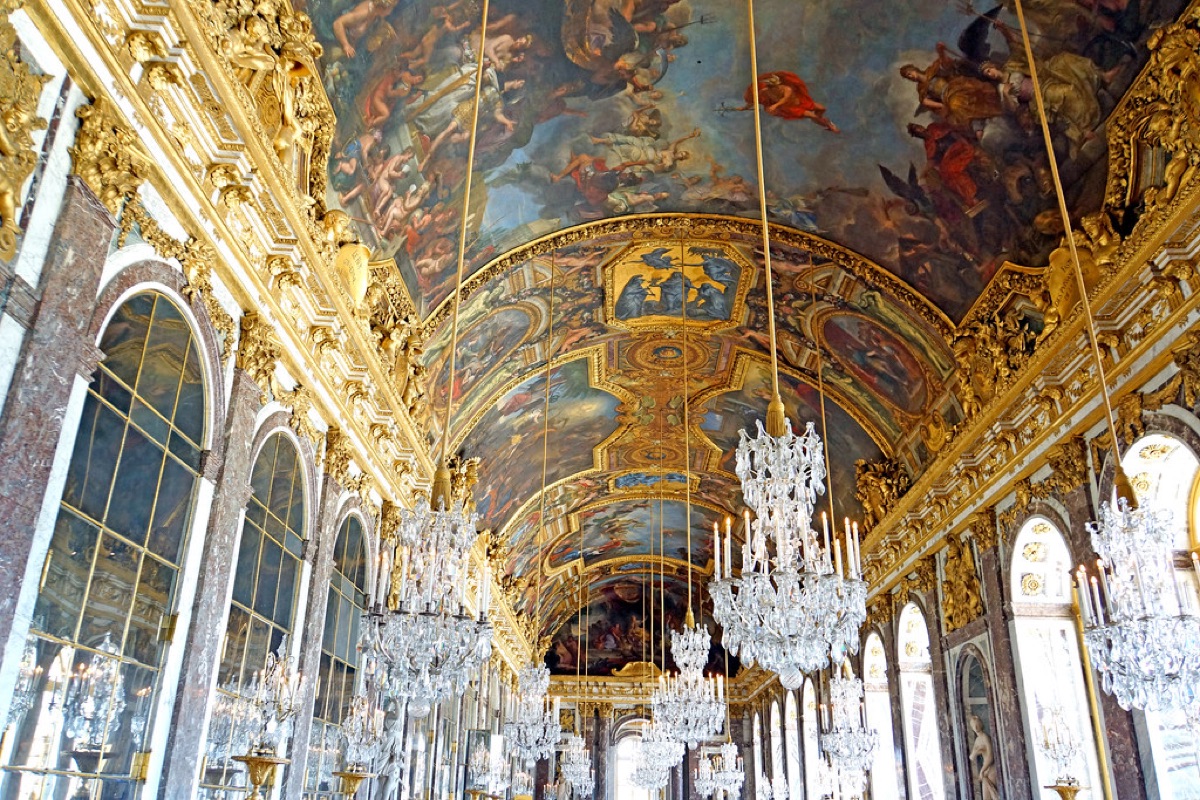
The State Apartments represent the zenith of royal architecture. These are the rooms designed for the highest level of courtly ritual. The Hall of Mirrors is the crown jewel of this section.
Designed to reflect the light of the sun—symbolizing Louis XIV—the 357 mirrors create a dazzling optical illusion of infinite space. This was not just a hallway; it was a stage for political theater.
In contrast to the public grandeur of the Hall of Mirrors, the King's Private Apartments offer a glimpse into a more intimate, albeit still luxurious, existence. Here, the transition from Baroque opulence to more personal living spaces becomes clear.
While the public rooms were meant to intimidate visitors, these private quarters show how the monarch lived when the eyes of the court were momentarily turned away.
As you walk through the rooms, look for the transition of styles. You will see the transition from the heavy, dramatic Baroque period to the lighter, more decorative Rococo influences that followed.
Pay close attention to the ceiling frescoes; they are designed to draw your eyes upward, reinforcing the divine right of the kings who once stood where you are walking.
But once you step back out into the sunlight, a new challenge begins.
Mastering the Gardens: A Labyrinth of Grandeur
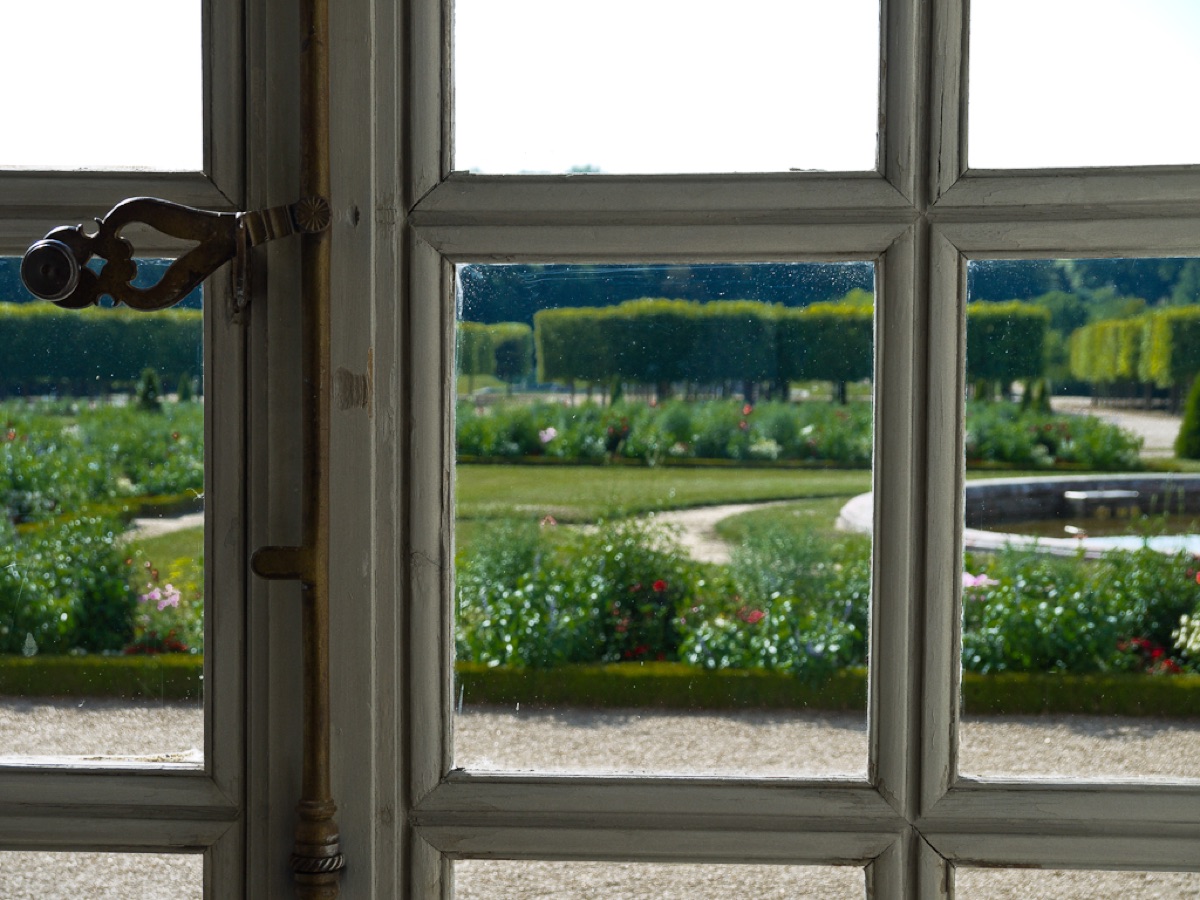
The transition from the enclosed, gilded rooms to the wide-open expanse of the gardens is a sensory shock. The smell of manicured hedges and blooming flowers replaces the museum air, and the horizon suddenly expands.
The gardens are a masterpiece of Baroque geometry, designed to show that even nature could be brought under the absolute control of the King. The layout is built on a series of axes that draw the eye toward the horizon, creating a sense of infinite order.
To navigate this effectively, start with the main axis, moving from the palace toward the Grand Canal.
A perfect walkthrough begins at the Orangerie, where citrus trees are housed in magnificent stone structures. From there, you can wander toward the Venus Grotto or follow the paths toward the various fountains.
If you find yourself exhausted by the walk, consider renting a bicycle or taking a small electric cart. The distance between the palace and the far reaches of the estate is significant.
For those looking to escape the main crowds, head toward the lesser-known fountains like the Neptune Fountain. These areas often feel more tranquil and allow you to appreciate the intricate waterworks without a constant stream of people blocking your view.
The gardens are not just a backdrop; they are a living testament to the era's obsession with symmetry and scale.
However, understanding the beauty is one thing; understanding why it was built this way is another.
Deep Dive: The Royal Lifestyle & Context
Standing in the center of the Hall of Mirrors, you realize this was never just a home. It was a tool of governance, designed to centralize power by keeping the nobility under the constant, watchful eye of the King.
According to World Bank data, France recorded high-technology share of manufactured exports of 23.1% in 2024.
Louis XIV's vision was to turn Versailles into the political heart of France. By moving the court here, he effectively stripped the nobility of their local power and turned them into courtiers. Every ritual, from the way he woke up to the way he ate, was a choreographed act of statecraft.
The entire complex served as a political machine designed to project strength and stability.
The sheer scale of the estate required an enormous amount of labor and resources to maintain. The maintenance of such a massive complex was a constant logistical challenge, involving thousands of workers to manage the gardens, the water systems, and the upkeep of the gold-leafed walls.
This level of expenditure was a direct reflection of the zenith of French power.
While we see it as a museum today, we must remember that this was a place of intense tension. The luxury of Versailles stood in stark contrast to the growing social pressures in France, setting the stage for the eventual revolution that would forever change the nation.
Understanding this tension makes the beauty of the architecture even more profound.
But how do you actually manage your time to see it all?
Travel Tips for Versailles
To make the most of your trip, follow these practical steps:
- Book Early: Secure your timed entry tickets online at least a week in advance to ensure you get your preferred morning slot.
- Wear Walking Shoes: You will likely walk several miles; do not attempt this in dress shoes or heels.
- Hydrate and Pack Snacks: While there are cafes, the walk through the gardens can be long, and finding food in the middle of the grounds can be difficult.
- Check the Fountain Schedule: If you visit on "Musical Fountain" days, the water features will be active, but the crowds will be significantly larger.
- Use the RER C: Avoid driving to Versailles if possible; parking is limited and traffic can be unpredictable.
When I first visited in the spring of 2025, I underestimated the walking distance and ended up needing a seat by the Grand Canal much earlier than planned. I learned quickly that your footwear is just as important as your ticket.
Please note that these tips are designed for general visitors. If you have mobility issues, the vastness of the gardens can be quite challenging, and you should look into specific accessibility routes provided by the estate.
| Feature | Palace Interior | The Gardens |
|---|---|---|
| Primary Focus | Art, History, & Royal Luxury | Landscape, Symmetry, & Nature |
| Walking Intensity | Moderate (mostly indoor walking) | High (extensive outdoor walking) |
| Best Time to Visit | Morning (to beat the crowds) | Late Afternoon (for light and atmosphere) |
| Key Requirement | Timed Entry Ticket | Often requires a separate pass or seasonal access |
Frequently Asked Questions
Is a combination ticket worth it? Yes, if you plan to see both the palace and the gardens thoroughly. A combination ticket usually covers the essential access needed to transition between the indoor exhibits and the outdoor grounds without needing to purchase separate entries.
How long should I realistically allocate? For a deep dive that includes both the palace and a significant portion of the gardens, you should allocate at least 5 to 6 hours.
If you are only interested in the palace interiors, 2 to 3 hours may suffice, but you will miss the essential context of the grounds.
What is the best way to see it without feeling rushed? The best way is to arrive for the earliest possible time slot. Spend your morning in the palace when the energy is highest, then use the late morning or early afternoon to explore the gardens at a slower pace.





Comments 0