Best Paris bakery tour: A guide to local flavors
Finding the best Paris bakery tour requires balancing artisanal tradition with local neighborhood charm. Travelers can navigate the city's flavors by exploring different pastry styles, from Michelin-starred refinement to street-side crepes.
* Explore diverse culinary styles: artisanal bakeries, cozy bistros, and gourmet creperies. * Plan an itinerary based on neighborhood character and food types. * Understand the distinction between casual snacks and fine dining.
How can you plan a best Paris bakery tour?
At sunrise, I trace a winding route through the streets of paris while the sweet scent of sugar drifts past my nose.
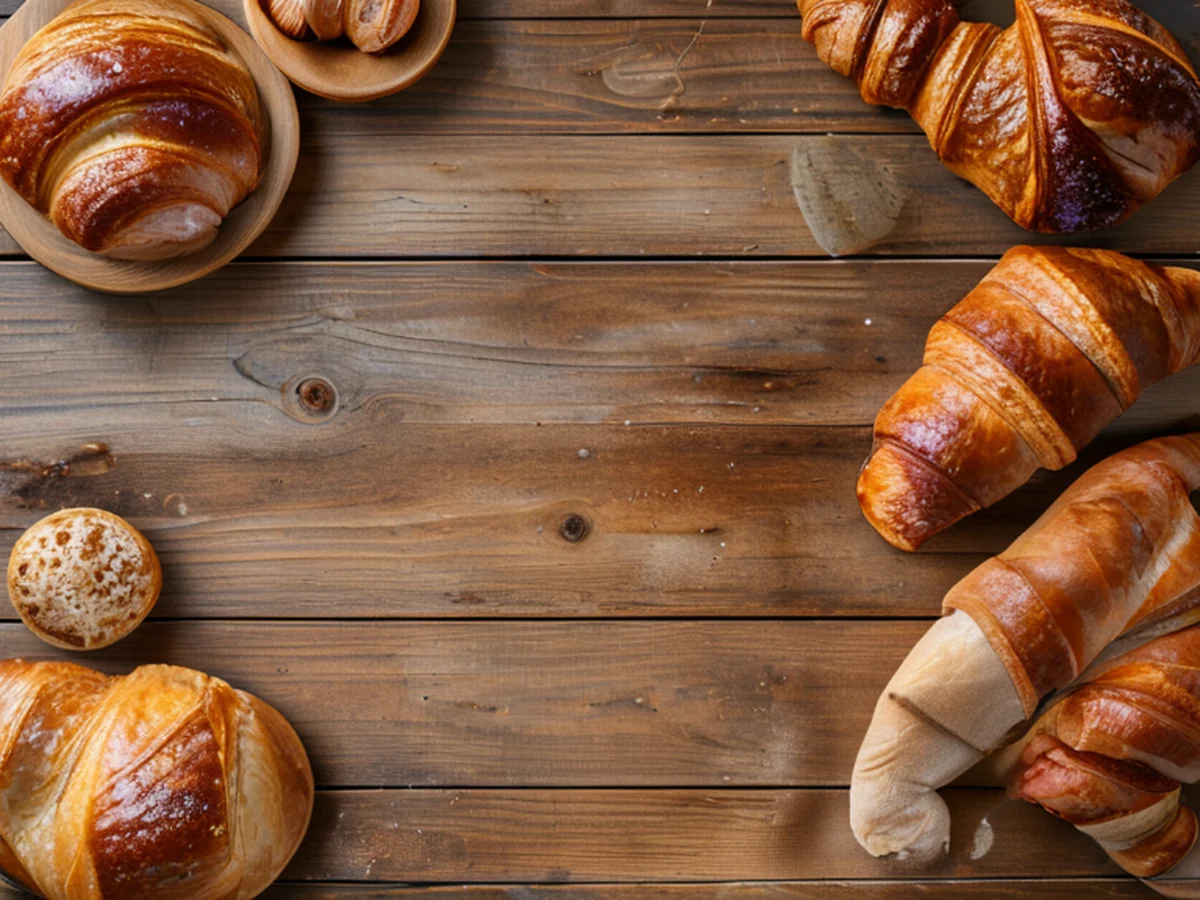
Walking through a cobblestone street in the morning, the scent of fresh yeast and warm butter fills the air as shutters rise on small storefronts. According to World Bank data, France recorded international tourist arrivals of 117,109,000 in 2020.
A successful tour begins by choosing a specific district to focus on, such as the Marais or Saint-Germain-des-Prés, to avoid spending too much time in transit.
A well-structured itinerary allows you to sample different textures and flavors throughout the day. You might start with a classic baguette or croissant at a local boulangerie, move to a savory lunch at a bistro, and finish with sweet crepes at a street stall.
Identifying whether you want a quick snack or a seated meal helps manage your time effectively.
The best way to experience the city is to vary your breakfast and snack locations. I found that visiting a different neighborhood each morning provided a much richer sense of local life than staying in one spot.
- Research the most iconic patisseries in different arrondissements to ensure variety.
- Check the opening hours and peak morning rush times to avoid long queues.
- Map out a walking route that connects your stops to minimize travel time.
What makes a top Paris bakery guide successful?
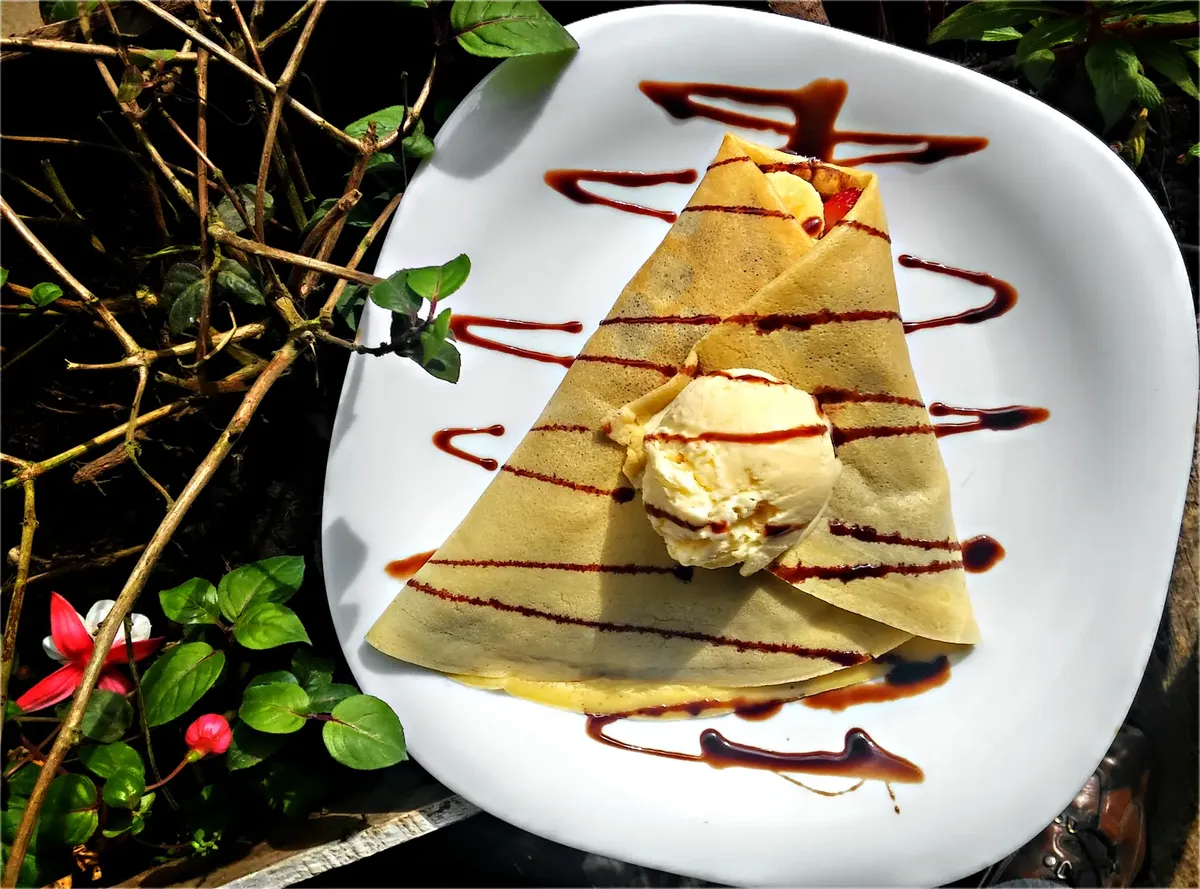
Standing in line at a small shop, you watch a baker pull a golden tray of pastries from a stone oven. A top Paris bakery guide focuses on the balance between famous institutions and hidden neighborhood gems.
Knowing the difference between a boulangerie, which focuses on bread, and a pâtisserie, which specializes in sweets, is essential for planning. You should look for shops that prioritize seasonal ingredients and traditional fermentation methods.
Many travelers find that the most memorable treats are often found in smaller, family-run establishments rather than large commercial chains.
To maximize your tasting experience, aim for bakeries that offer unique regional specialties. This approach ensures a diverse palate of flavors.
A successful guide provides specific recommendations for seasonal specialties and offers practical advice on local etiquette.
Should I choose a bakery and bistro or a Michelin experience? Sitting at a small wooden table in a dimly lit bistro, you watch the waiter place a plate of perfectly flaky pastry in front of you. Deciding between a casual meal and a high-end dining experience depends on your budget and the time you wish to dedicate to eating.
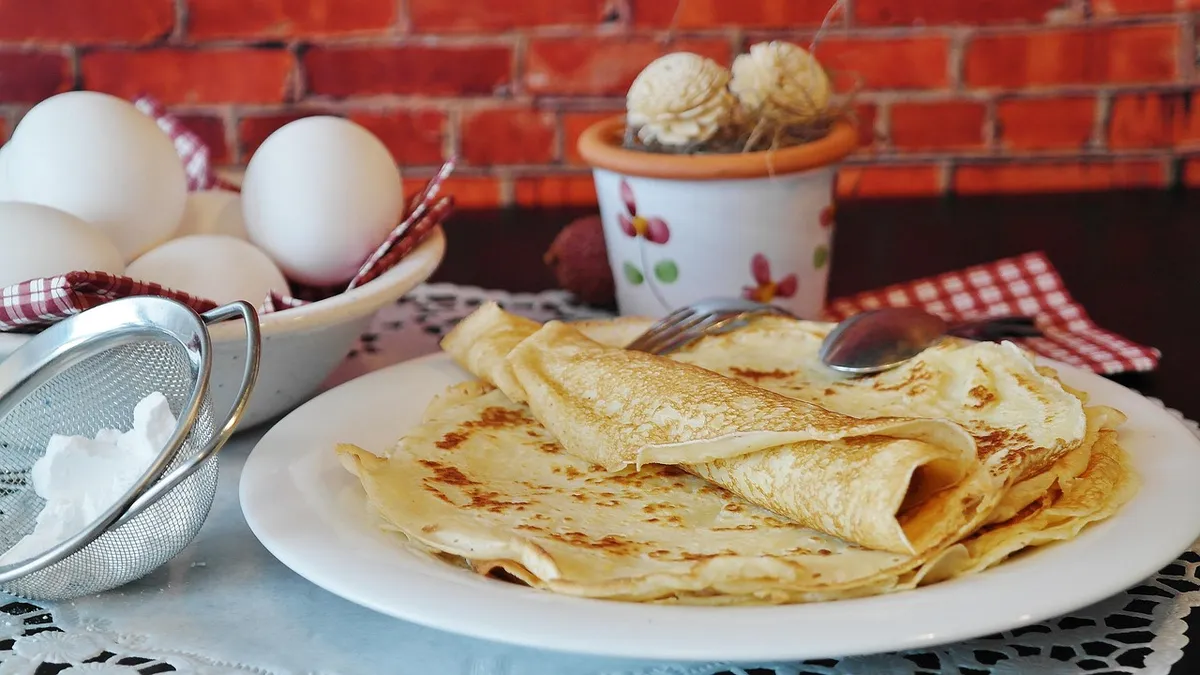
A Paris bakery and bistro style offers a casual, authentic atmosphere perfect for a relaxed lunch or a quick afternoon break. In contrast, a Michelin-level experience focuses on technical mastery and artistic presentation, often requiring advanced planning.
Most travelers find that a mix of both provides the most satisfying culinary journey.
| Dining Style | Primary Focus | Atmosphere |
|---|---|---|
| Local Bistro | Traditional, Hearty Meals | Casual and Social |
| Michelin-level | Technical Excellence | Formal and Refined |
I often suggest alternating between a casual bistro and a more formal setting to prevent palate fatigue.
Choose a bakery and bistro tour for a casual, authentic atmosphere, or opt for a Michelin experience if you prefer refined techniques and formal service.
Where can you find the best crepe in Paris?
Watching a thin layer of batter spread perfectly across a hot griddle, you realize the simplicity of this classic street food. Finding the best crepe in Paris often involves seeking out specialized creperies, particularly those that adhere to traditional buckwheat recipes for savory versions.
For a quick snack, street-side stands are excellent for grabbing a sweet crepe to eat while walking. For a more substantial meal, sit-down creperies offer a wider variety of toppings and a more relaxed environment.
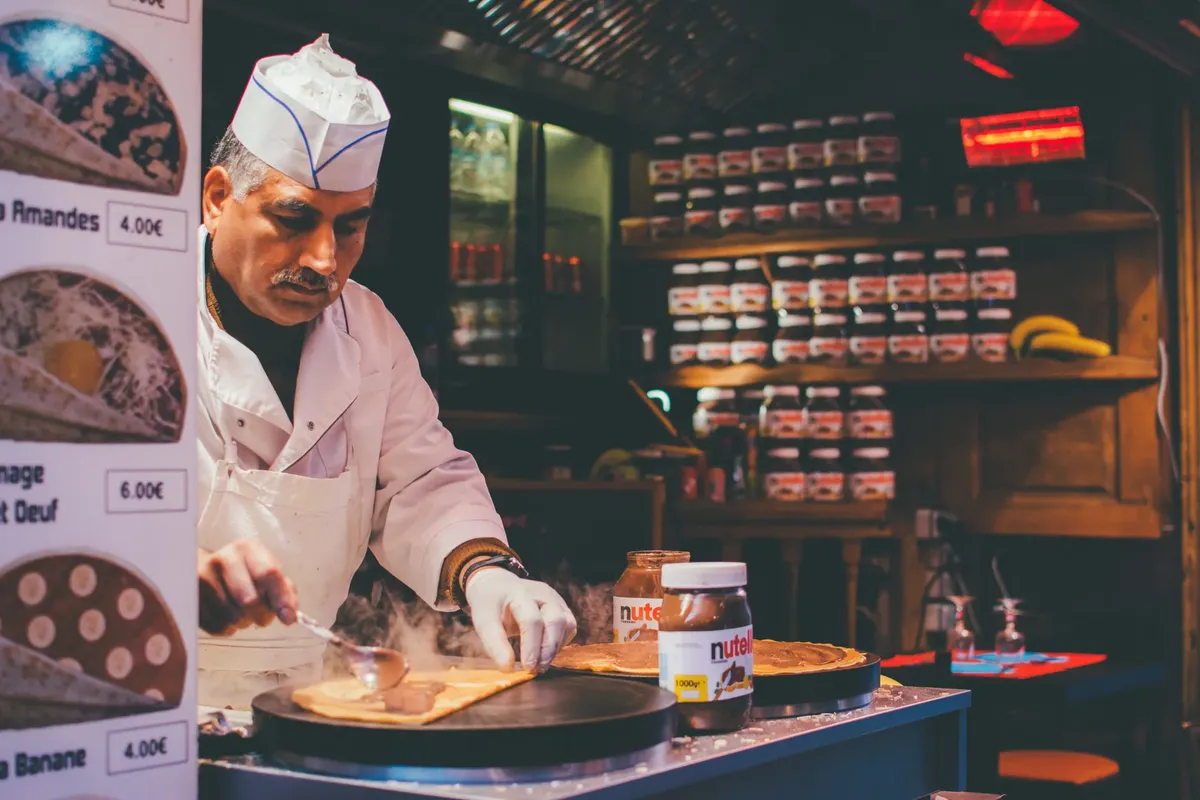
The quality of the butter and the freshness of the flour are the key indicators of a superior crepe.
When searching for quality, look for places that use high-quality flour and fresh seasonal fruits. This ensures a much better texture and taste.
You can find exceptional crepes at traditional street stalls in the Latin Quarter or in specialized creperies throughout Montmartre.
How do you navigate a Paris Michelin bakery visit?
Entering a sleek, modern shop, the sight of jewel-like pastries arranged in glass cases takes your breath away. A Paris Michelin bakery visit involves visiting establishments that have earned high culinary honors for their pastry work.
These locations often feature avant-garde techniques and highly specific flavor profiles. Because they are popular, it is wise to visit during weekday mornings to avoid overwhelming crowds. While more expensive, the level of detail in each bite justifies the cost for many food enthusiasts.
Check the opening hours carefully, as many high-end pastry shops have limited operating windows. This prevents disappointment upon arrival.
When visiting high-end establishments, arrive during off-peak hours and be prepared for a more structured, sophisticated dining environment.
What are some useful Paris food tour tips?

Wiping a bit of powdered sugar from a napkin, you reflect on the many flavors you have sampled throughout the day. Effective Paris food tour tips include understanding local etiquette and managing your appetite.
First, learn the basic difference between savory and sweet meal times to ensure you visit the right shops at the right time. Second, always carry small change for quick street purchases like crepes or single pastries.
Third, check for local holidays or seasonal closures that might affect specific bakeries.
A final check of your itinerary ensures you aren't overbooking your stomach, allowing you to enjoy every bite.
Carry small change for quick purchases, wear comfortable walking shoes, and always try the daily special.
Related
- Versailles trip guide: Paris day trips 13.3
- Paris accommodation guide: 12 million Find your best stay
How does Finding a Paris bakery tour enhance your visit?
Finding a Paris bakery tour allows travelers to move beyond simple dining and into a cultural immersion of the city. This journey contrasts the hurried transaction of a quick street snack with the deliberate artistry of a seated, high-end meal.
The tour facilitates a comparison between the daily bread of the local boulangerie and the artistic flourishes of the specialized pâtisserie.
- The tour guides you through the spectrum of Parisian dining, from the humble, crusty loaf to the meticulously plated dessert. 2. It helps you differentiate between the casual, communal spirit of a neighborhood bistro and the focused, technical pursuit of a Michelin-level establishment. 3. Ultimately, Finding the right balance between these experiences provides the most complete picture of Parisian gastronomy.
What cautions should you keep in mind while touring?
When undertaking a Finding Paris bakery tour, travelers must remain mindful of the operational differences between establishments. For instance, a boulangerie's primary commitment is to bread, whereas a pâtisserie dedicates itself to confections.
This distinction guides your choices throughout the day.
- Always consider the specific focus of the establishment before committing to a purchase or meal. 2. Remember that the quality indicators—such as the freshness of flour or the type of oven used—vary greatly between types of vendors. 3. Planning your sequence of visits based on these differences prevents redundancy and maximizes discovery.



Comments 0