Paris pickpocket guide: Tips for transit security
"A single moment of distraction can change the entire course of a vacation, turning a dream trip into a series of logistical nightmares."
Planning a trip to France requires understanding the scale of tourism and the potential risks involved in crowded urban environments. This guide provides strategies to mitigate theft risks and outlines essential steps for maintaining security while navigating busy streets.
Key takeaways: * Recognize common distraction techniques used in crowded areas. * Implement physical security measures for personal belongings. * Understand the scale of international tourism in France.
Why does tourism volume matter for a Paris pickpocket guide?

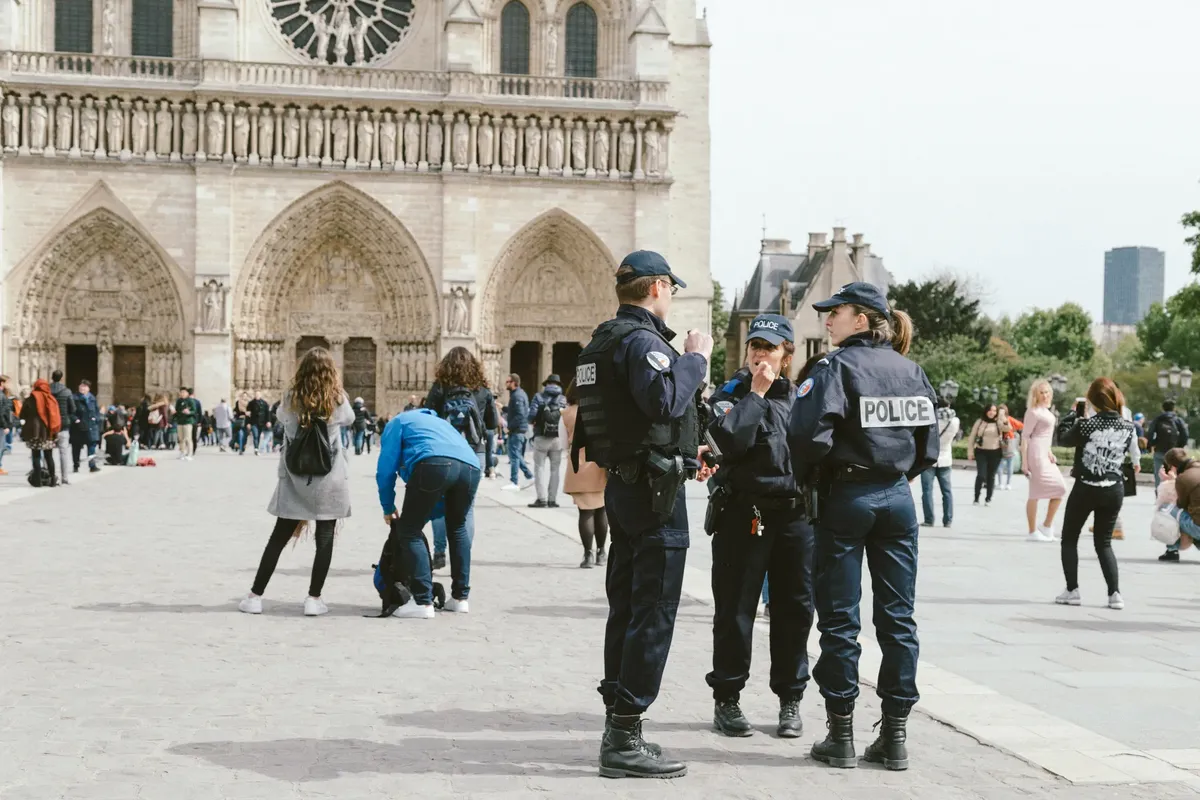
A traveler stands in the middle of a crowded plaza, feeling the heat of the afternoon sun and the constant motion of people passing by. The sheer volume of people makes it easy for someone to slip through a crowd unnoticed.
The scale of travel in the region is significant, which can influence the frequency of opportunistic crimes. According to World Bank data, France recorded international tourist arrivals of 117,109,000 in 2020.
This massive influx of visitors creates a dynamic environment where distractions are frequent and crowds are dense.
Managing personal security in such high-traffic areas requires constant vigilance. Travelers must remain aware of their surroundings to prevent becoming an easy target.
High tourist density creates crowded environments that provide perfect cover for opportunistic thieves.
How can you spot common theft tricks?
A person approaches with a friendly smile, holding a map or a strange object to grab your attention. As they engage you in conversation, their hands move with practiced ease.
Understanding these maneuvers is the first step in a successful Paris theft tricks defense. Common tactics involve sudden physical contact, such as a bump in a crowded metro station, or the use of a "distraction object" like a dropped receipt or a spilled drink.
By recognizing these patterns, you can distance yourself from suspicious interactions. Staying alert to sudden changes in your immediate personal space helps prevent being caught off guard.
- Watch for sudden physical contact or distractions from strangers.
- Identify groups that seem to be isolating a specific target.
- Recognize when someone is attempting to block your path.
What are the best travel pickpocket tips for transit?
The heavy doors of a metro train slide shut, momentarily trapping a group of passengers in a confined, moving space. In this tight environment, the risk of a quick grab increases significantly.
Effective travel pickpocket tips focus on securing valuables before boarding transit. This involves keeping bags in front of the body and ensuring zippers are easily accessible but difficult to reach for others.
A successful defense relies on proactive placement of items. Keeping your phone and wallet in secure, internal pockets rather than outer jacket pockets reduces the chance of a quick snatch.
In this sequence, the second step is the most critical.
How do you manage bag snatching defense in public?
Walking down a narrow sidewalk, a person feels a sudden tug on their shoulder as a passerby moves quickly past. The sensation of movement is sudden and jarring.
Effective bag snatching defense requires more than just awareness; it requires physical control over your belongings. Using crossbody bags with locking clips or securing straps to a fixed object when sitting can prevent a thief from running off with your property.
Maintaining a firm grip and keeping your bag tucked under your arm provides a physical barrier. It is also helpful to use bags that do not have easy-access zippers on the side facing the street.
Always keep your bag in front of your body and maintain a firm grip when moving through crowds.
How to protect your phone in Paris?
A hand reaches into a pocket while a person is busy looking at a street sign or a landmark. The phone is gone before the owner even realizes they have been targeted.
To protect your phone in Paris, avoid holding your device loosely in your hand while walking through crowded areas. Using a wrist strap or a phone tether can prevent a thief from simply snatching the device and running.
I once noticed a traveler using a phone tether while sitting at a cafe, which kept the device physically attached to their person. This simple step makes a grab much more difficult for an opportunistic thief.
Use a wrist strap or a secure phone tether to prevent someone from grabbing it out of your hand.
How to secure your wallet abroad?
A person reaches into a backpack to find a passport, only to realize the main compartment has been unzipped. The emptiness of the bag is a chilling realization.
To secure your wallet abroad, avoid keeping all your cash and credit cards in a single location. Spreading your funds across different secure pockets makes it harder for a single theft to leave you completely stranded.
The main goal is to ensure that your primary identification and large sums of cash are kept in a hidden, secondary location, such as a money belt worn under clothing. This provides a layer of security that is not visible to onlookers.
Keep your primary cash and cards in a secure, internal pocket rather than an easily accessible back pocket.
How to spot thieves during a distraction?
A stranger stops you to ask for directions, spreading a large paper map that momentarily obscures your view of your own bag. The distraction is seamless and polite.
Learning how to spot thieves involves identifying "team" behaviors where one person creates a distraction while another secures the target. These interactions often feel overly friendly or involve a sudden, urgent request for help.
Always maintain a "buffer zone" around your personal items when interacting with strangers. If a situation feels forced or too sudden, stepping away is the best way to maintain control.
Summary of Security Measures
| Action Type | Primary Strategy | Goal | | :---fully | :--- | :--- | | Physical Defense | Use crossbody bags and locks | Prevent snatching | | Situational Awareness | Watch for sudden distractions | Prevent pickpocketing |

A traveler walks through a quiet park, feeling the relief of a successful day of exploration. The sun begins to set, casting long shadows across the path.
To maintain this peace, follow these three steps: 1. Secure all zippers and hardware before entering crowded transit or markets. 2. Keep your primary valuables in a hidden, secondary location like a money belt. 3. Perform a quick check of your belongings every time you change locations.
A final check involves verifying that your phone, wallet, and passport are all accounted for and secured before moving to a new area.
The limitations of these strategies depend on the specific environment and individual awareness; for instance, while these tips help, they cannot completely eliminate the risk of crime in high-density tourist areas.
The subject here is Paris pickpocket guide.
The same subject is also called Metro safety advice.
Related



Comments 0