Paris Museum Guide: See Masterpieces in Paris
"The halls of Paris hold centuries of history, where every courtyard and glass roof tells a story of a changing empire."
A Paris Museum Guide helps travelers navigate through vast collections ranging from military history to fine arts. This guide covers major historical sites, large-scale exhibition spaces, and specialized museums to ensure a meaningful cultural journey.
Key takeaways include understanding the scale of massive museums, recognizing the importance of specialized collections, and timing visits to accommodate exhibition lifespans.
What makes a Paris museum guide great? Walking through a grand entrance, a visitor feels the weight of history within the stone walls. A comprehensive Paris Museum Guide should account for the sheer variety of collections available in the city.
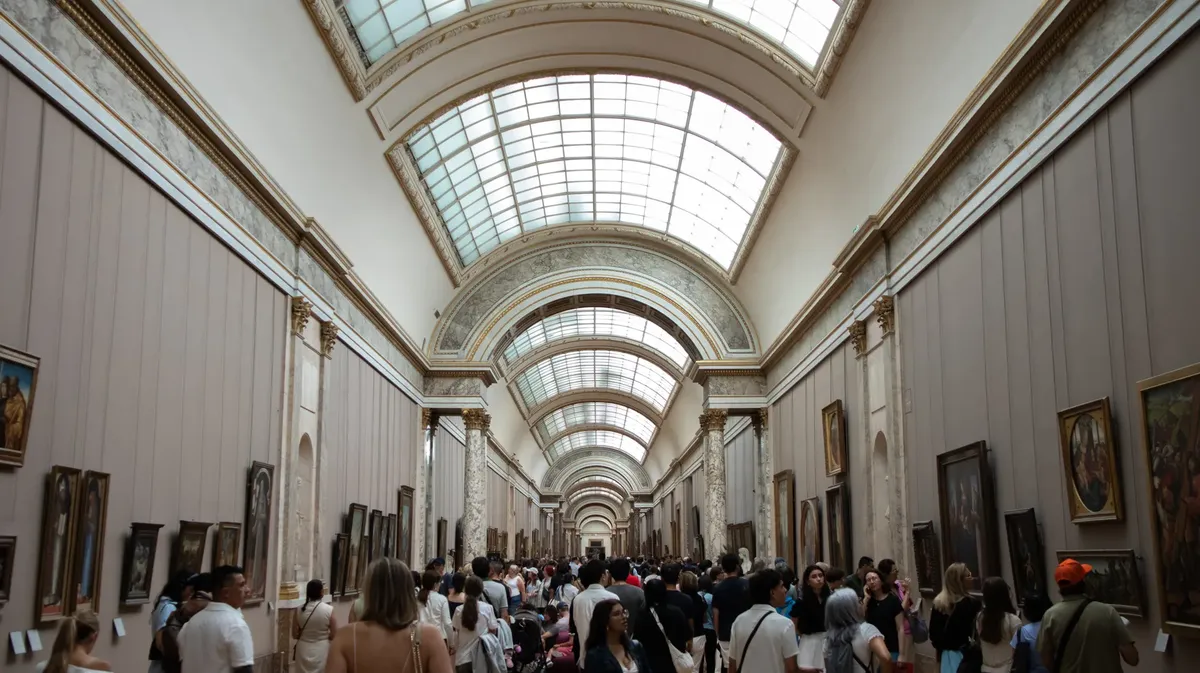
According to the Musée du quai Branly – Jacques, the Musée du quai Branly – Jacques Chirac, opened in 2006, is the latest large museum in Paris today.
The scale of these institutions can be overwhelming for those planning a trip. For instance, the Army Museum covers an area of 8,000 square meters under the management of the Ministry of Armed Forces.
This site displays 500 thousand artifacts, including paintings, photographs, medals, artillery, and guns, making it one of France's most important museums of military history.
Exploring these spaces requires a plan to manage time and energy. While large museums offer depth, smaller specialized galleries provide intimacy. Visiting the right place at the right time ensures the best experience.
A great guide balances historical context with engaging storytelling, ensuring that visitors understand the significance of each piece without feeling overwhelmed by dates and names.
How do we find Top Paris Art Museums?
Standing before a massive canvas, the viewer realizes the importance of space and light. Finding the Top Paris Art Museums involves identifying locations that offer both historical significance and breathtaking architecture.
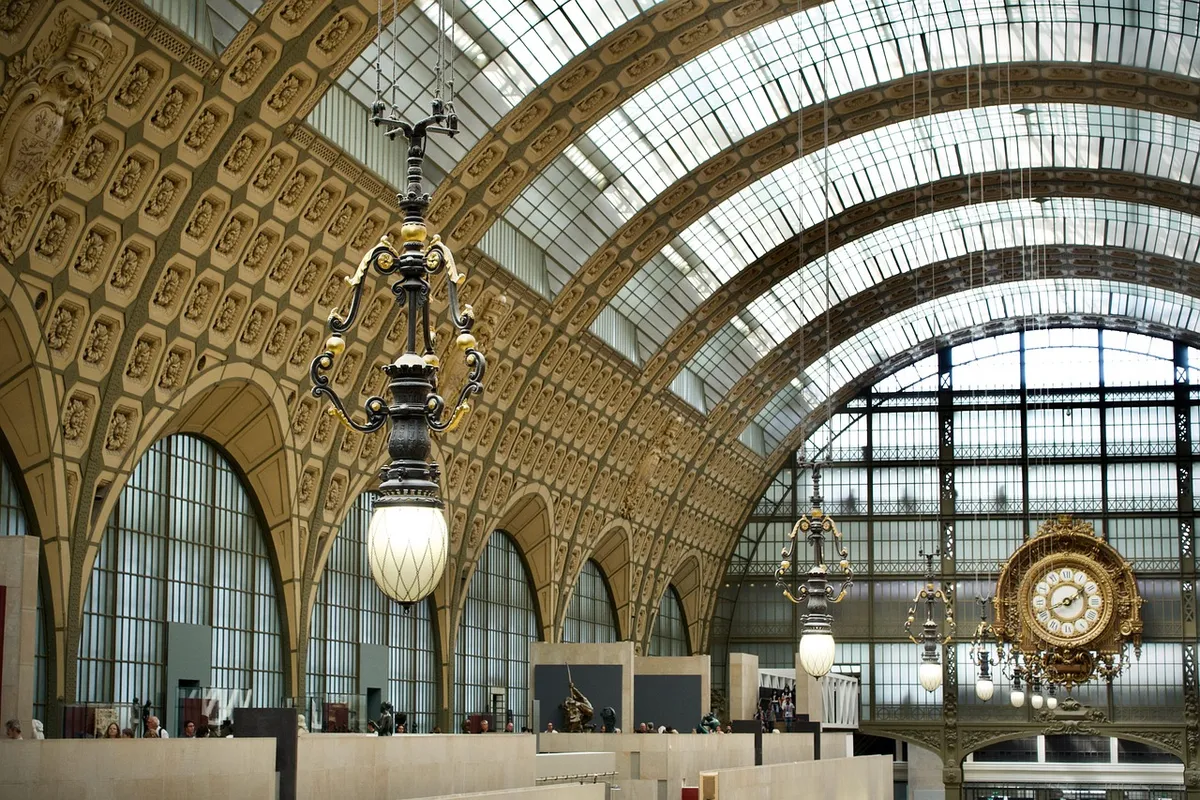
When the Ministry of Finance moved from the palace to Bercle, the entire palace was transferred to the museum. The Marly, Puget, and Khorsabad courtyards with glass roofs became the ideal display space for large works.
This architectural transition turned a government seat into a premier cultural destination.
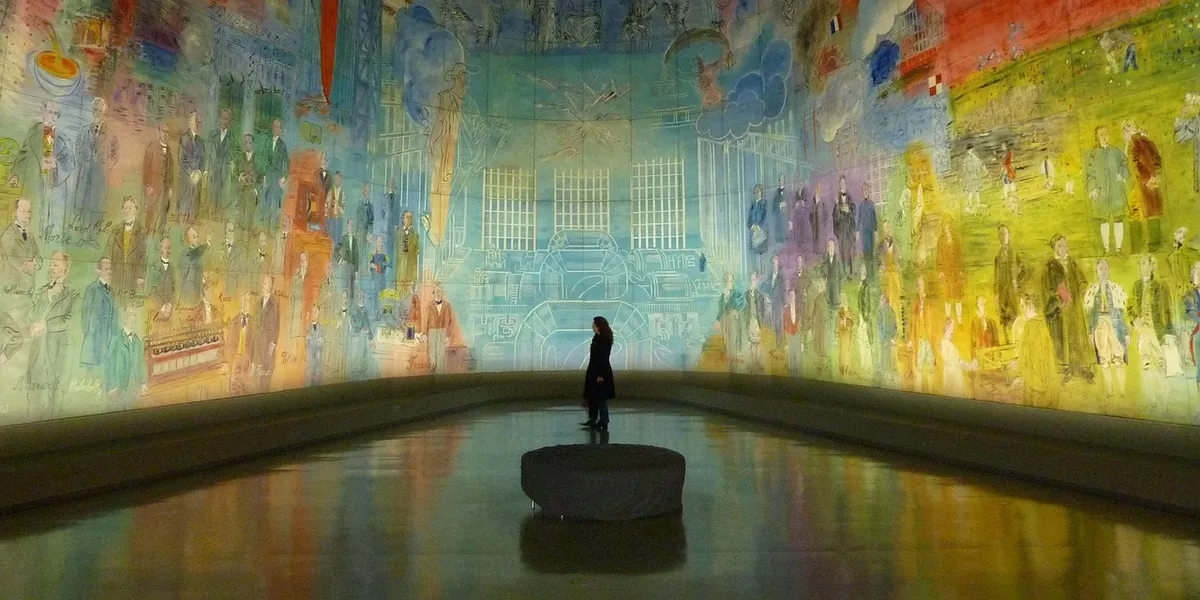
The diversity of art styles ensures there is something for every collector. Many visitors look for unique atmospheres that differ from standard white-wall galleries.
Finding the best museums involves looking for institutions with diverse collections, well-maintained galleries, and central locations that are easily accessible to travelers.
According to World Bank, the 2025 record includes 7.5%.
Where can I see Paris museum masterpieces? Tracing the lines of a sculpture, a traveler contemplates the hand of the artist. Identifying Paris Museum Masterpieces often leads to institutions that house world-renowned works or significant cultural treasures.
Specialized collections offer a deep dive into specific regions or eras. In Paris, artifacts of Asia are on display at the Guimet Museum in the city's 16th arrondissement. Such focused collections allow for a more concentrated study of specific artistic heritages.
The popularity of certain works can draw massive crowds. For example, the gallery exhibition of the Picasso Museum, held in Reina Sofía, Madrid, also welcomed 547,810 visitors, which ranked sixth among the most-visited exhibitions in the world in 2008.
Masterpieces are scattered throughout the city, from the iconic halls of the Louvre to the Impressionist treasures within the Musée d'Orsay.
What are the Best Museums in Paris for specific interests?
Looking at a maritime compass, a visitor wonders about the age of exploration. Finding the Best Museums in Paris depends heavily on whether the traveler seeks science, history, or wax figures. According to the World Bank, France recorded international tourist arrivals of 117,109,000 in 2020.
Different interests require different neighborhoods. The Musée Grévin, a private wax museum located at 10 Avenue Montmartre, stands out as the private museum with the highest popularity in Paris.
For those interested in science, the Musée des arts et métiers in the heart of the 3rd arrondissement serves as another important science museum.
| Museum Type | Example Location | Notable Feature |
|---|---|---|
| History | Musée Carnavalet | Located in two historic mansions |
| Science | Musée des arts et métiers | Located in the 3rd arrondissement |
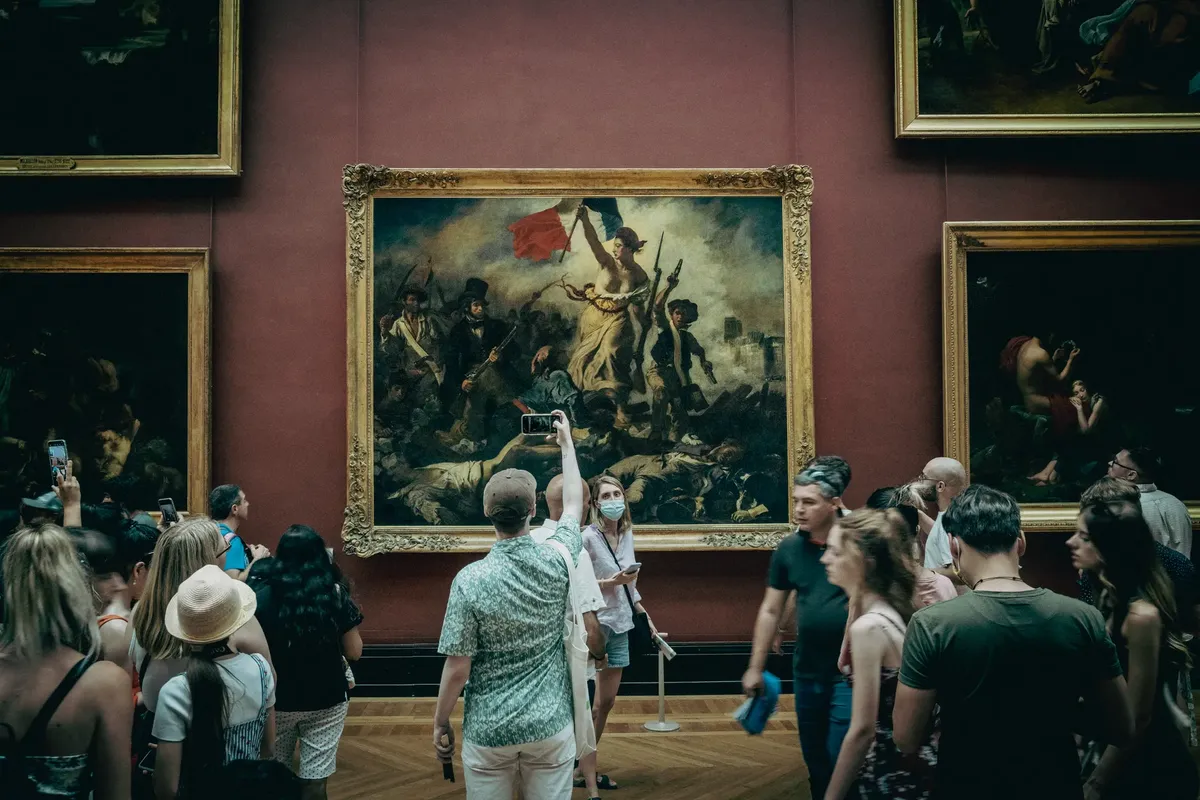
I found that selecting a museum based on its unique niche made the itinerary much more engaging. Each site offers a distinct personality that prevents traveler fatigue.
Visitors with niche interests can find specialized collections, such as modern art enthusiasts heading to the Centre Pompidou or lovers of decorative arts visiting the Musée des Arts Décoratifs.
How to plan a Paris Art Gallery Guide for exhibitions?
Checking a museum schedule, a traveler prepares for a rotating display of talent. A successful Paris Art Gallery Guide must account for the fact that exhibitions are often temporary.
In 2007, 34 major exhibitions in Paris had an average lifespan of 4 months, while the 10 most popular exhibitions lasted 5 months on average. Understanding these timelines is crucial because a masterpiece seen in one season might be gone by the next.
- Research the current exhibition schedule to avoid visiting a museum only to find a specific artist's work has moved. 2. Check the opening hours and seasonal availability of specific halls. 3. Verify if special exhibitions require separate ticketing or timed entry.
A final check of the museum's website can prevent disappointment regarding temporary closures or special event timings.
- Check the official museum websites for current and upcoming temporary exhibitions.
- Group your visits by neighborhood to minimize travel time between galleries.
- Verify ticket availability and booking requirements for specific special events.
What are the limitations of a Paris Museum Guide?
Reading a map, a visitor realizes that no single guide can cover every corner. A limitation of any guide is that it cannot account for every individual's personal taste or the specific daily availability of every hall.
A concrete condition to consider is the varying availability of space. For instance, at the Grand Palais, in 2008, the Galeries nationales exhibition space was open for 12.5% of the day.
Such specific operational constraints mean that even the most detailed guide cannot guarantee access to every hall at all times.
Which museums are the latest in Paris?
The Musée du quai Branly – Jacques Chirac, which opened in 2006, is the latest large museum in Paris today.
Where is the Guimet Museum located?
The scope of this guide is limited to the historical and cultural information provided regarding the specific museums and exhibition statistics mentioned.
A guide cannot capture the physical scale of a museum or the emotional impact of seeing a masterpiece in person, nor can it account for sudden changes in museum hours or crowd levels.
Related
How do the halls of Paris compare across different eras?
The halls of Paris serve as a timeline, showcasing how artistic tastes evolved over centuries. The vast collections found in these halls reflect the changing tastes of the empires that have shaped the city.
A visitor can trace the shift from ancient artifacts to modern displays within the same physical setting.
- The architectural styles of the various halls themselves speak volumes about the periods they represent. 2. The artifacts housed within these halls provide tangible evidence of cultural shifts across time. 3. The scale of the collections mirrors the ambition of the eras that collected them.



Comments 0